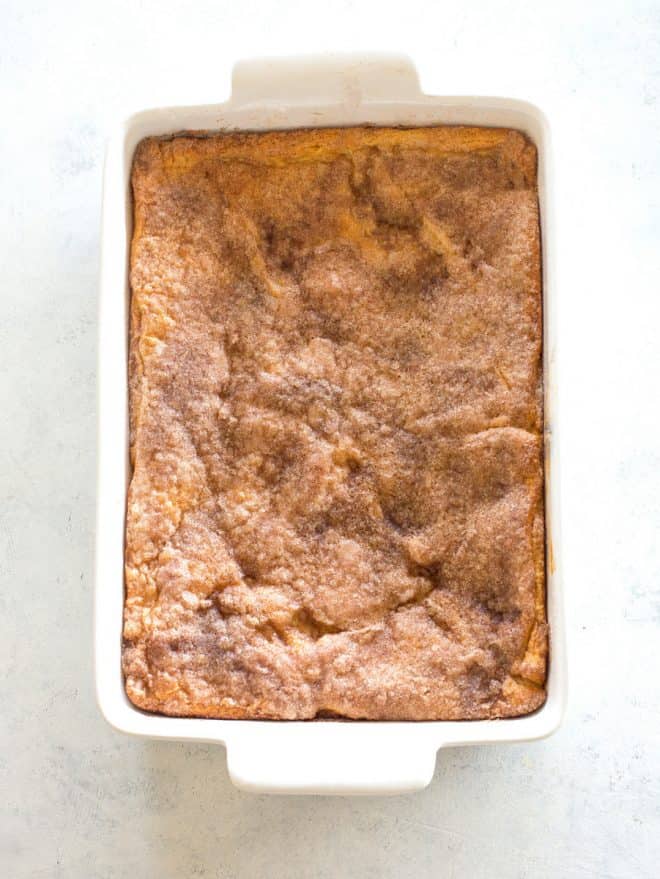
Golden Sopapilla Cheesecake: Flaky Bakery Masterpiece
This Sopapilla Cheesecake is the pinnacle of accessible decadence, transforming humble refrigerated crescent dough into a sophisticated dessert experience. The textural interplay between the airy, laminated pastry layers and the dense, tangy cheesecake core, crowned by a perfectly spiced, crackling cinnamon sugar crust, is truly unforgettable. It’s the ideal centerpiece for any American gathering, providing the comfort of home baking with an impressive, bakery-worthy finish.
restaurant_menu Ingredients
For the Filling and Assembly
For the Topping
hardware Essential Tools
9x13 inch baking dish
Large mixing bowl or stand mixer
Electric mixer (paddle attachment recommended)
Offset spatula
Whisk
Small bowl
Pastry brush
Wire cooling rack
format_list_numbered Preparation
Assembly and Baking
Preheat your oven to 350°F (175°C) and prepare a 9x13 inch baking dish by lightly greasing or lining it with parchment paper, ensuring the paper overhangs the edges for easy lifting later. This preparation step is vital for clean serving of your Sopapilla Cheesecake.Unroll the first package of crescent dough and carefully press it into the bottom of the prepared dish, ensuring the seams are pressed together to form one continuous base layer that covers the entire bottom surface.In your mixing bowl, beat the softened cream cheese until completely smooth, then gradually incorporate 1 cup of the granulated sugar and the vanilla extract until the mixture is light, creamy, and entirely free of lumps. Scrape down the sides frequently to ensure perfect incorporation.Spread this luxurious cream cheese filling evenly over the bottom dough layer, taking care not to tear the pastry. Unroll the second package of crescent dough and gently lay it over the filling; do not press this layer down, allowing it to remain airy to encourage puffing.
Topping and Finishing
In a small bowl, combine the remaining 1/2 cup of granulated sugar and the ground cinnamon. Whisk this mixture thoroughly until the cinnamon is evenly distributed throughout the sugar crystals.Brush the melted butter evenly over the entire surface of the top dough layer, paying special attention to sealing the edges. This fat layer is what allows the topping to adhere and caramelize beautifully.Sprinkle the cinnamon-sugar mixture evenly over the buttered dough, followed by the ¼ cup of sliced almonds. Place the dish on the center rack of the preheated oven, baking for 40 to 45 minutes, or until the pastry edges are deeply golden brown and the center is set with only a minimal wobble.
favorite You Might Also Love
Browse All arrow_forward
Classic Homemade Pound Cake Recipe (Rich & Buttery)
Master Homemade Sponge Candy: Airy, Crunchy Perfection
Old-Fashioned Family Texas Sheet Cake Bites Recipe (Classic Dessert)
New Mexican Sopapilla Pie Recipe (Honey Drizzled)
Cowboy Cookie Recipe (Chewy & Loaded)
Chocolate Chip Cookie in a Mug Recipe (Quick Microwave)
Try These Variations
Cinnamon Roll Swirl Sopapilla Cheesecake
Before spreading the cream cheese layer, take about 1/4 cup of the cream cheese mixture and mix it vigorously with 1 teaspoon of extra cinnamon and 1 tablespoon of packed brown sugar until it darkens significantly. Dollop this darker, spiced mixture randomly over the bottom layer of dough, then spread the main filling over it. Use a skewer to gently swirl the two layers together about three times, creating pockets of intense flavor throughout the body of the cheesecake, reminiscent of a classic cinnamon roll.
Citrus Zest Enhancement
To brighten the entire profile and cut through the richness, incorporate citrus zest directly into the cream cheese filling. I recommend zesting one full large lemon and one small orange. Add this zest along with the vanilla extract and beat it in thoroughly. The oils released from the citrus peel infuse beautifully with the dairy, creating a flavor profile reminiscent of a lighter Lemon Cheesecake Delight but retaining the satisfying pastry structure of the Sopapilla Cheesecake.
Maple Pecan Crunch Topping
For a richer, deeper flavor profile that echoes the hearty nature of Pecan Pie Cheesecake, substitute the melted butter drizzled on top with 1/4 cup of pure maple syrup that has been gently warmed. Then, instead of just cinnamon sugar, mix 1/2 cup of chopped pecans with 1/4 cup of packed light brown sugar and 1/2 teaspoon of nutmeg. Drizzle the warm maple syrup over the top dough layer, then sprinkle this spiced nut mixture generously. This yields a stickier, chewier crust that is absolutely divine when served warm.
Chef's Pro Tips
The Science of Butter Drizzle
When you brush the melted butter over the top crescent sheet, you are performing a crucial step known as fat saturation. This fat melts slightly into the dough layers right before baking, preventing excessive gluten formation in that top layer so it stays tender beneath the crust, while simultaneously acting as an adhesive for the cinnamon-sugar. If the butter is too hot when applied, it can begin to cook the dough prematurely, leading to a tough top layer rather than a flaky one. Use butter that is melted but not sizzling.
Why We Cool in Stages
Cooling a rich dessert like this Sopapilla Cheesecake rapidly causes the fats and starches within the filling to contract too quickly, creating internal stress that leads to weeping or cracking. By allowing it to cool slowly at room temperature first, we encourage the proteins to set gently, forming a stable matrix that holds the structure perfectly. This slow cooling is the secret to avoiding the pitfalls associated with delicate custard desserts.
Achieving the Golden Hue
That gorgeous, deep golden-brown color on top comes from the Maillard reaction combined with sugar caramelization. The butter and the sugar create the perfect environment for this browning. Ensure your oven thermometer is accurate; an oven running even 25 degrees too cool will result in a pale, under-caramelized crust that lacks the deep, nutty flavor this dessert demands. If the top browns too fast, loosely tent it with foil after 30 minutes of baking.
Pressing the Base Firmly
The bottom layer of dough must be pressed together tightly to form a cohesive, non-porous barrier. If you leave gaps where the dough pieces meet, steam from the filling during baking will escape through those weak points, creating soggy spots in the crust or causing the filling to leak out and burn on the bottom of the pan. Press firmly, but do not stretch the dough excessively.
Storage Guide
Room Temperature Holding
For short-term holding (up to 4 hours before serving at a party), you can safely leave the Sopapilla Cheesecake covered loosely on the counter, provided your kitchen temperature is below 72°F. Keeping it slightly warm prevents the crust from becoming overly firm, although this is only recommended if serving the same day.
Refrigerator Storage for Optimal Texture
For maximum enjoyment over several days, refrigeration is best. After cooling completely (this is the key!), cover the dish tightly with plastic wrap, pressing the wrap down gently onto the surface of the filling if possible to minimize air exposure. Stored this way, the cheesecake remains moist and the crust develops a pleasant chewiness while the filling stays perfectly set. Shelf life is excellent: 4 to 5 days.
Long-Term Freezing for Future Cravings
If you wish to save this for a special occasion, freezing is the solution. Wrap the entire cooled cheesecake (or individual slices) extremely well—first in plastic wrap, then in a layer of aluminum foil. This double barrier prevents freezer burn and stops any freezer odors from penetrating the delicate pastry. Thaw overnight in the refrigerator before serving, and if the top crust seems slightly soft, refresh it by baking uncovered at 325°F for 10 minutes until the edges crisp lightly.
Avoid These Mistakes
✕ Cutting the Sopapilla Cheesecake too soon after removing it from the oven is the most common error. Many home cooks assume that because it looks set on the edges, it is ready. In reality, the internal structure of the cream cheese filling is still very gelatinous at 350°F. Slicing it hot results in the filling oozing out, sticking to the knife, and collapsing the layers, turning your neat square into a beautiful, but messy, puddle. Always allow a minimum of three hours on the counter, followed by refrigeration, for the matrix to fully set.
✕ Using cold or slightly softened cream cheese leads directly to a grainy texture, which ruins the luxurious mouthfeel expected from any cheesecake, including this Sopapilla Cheesecake. Cold fat molecules will not emulsify properly with the sugar crystals, leaving tiny, hard bits of undissolved sugar suspended in the final product. To avoid this, leave the cream cheese blocks out on the counter for at least two hours, or microwave them very briefly (5-10 seconds per block) until they yield easily to a gentle touch.
✕ Over-browning the top crust due to high oven temperature or excessive sugar application can lead to a bitter flavor profile. While we want caramelization, scorching the sugar will introduce acrid notes that overpower the vanilla and tang of the filling. If your oven runs hot, reduce the temperature to 325°F and increase the baking time by 5 to 10 minutes, checking frequently after the 40-minute mark for that perfect mahogany color.
nutrition Nutrition Facts
Per serving: 1/12th of the dish
Nutritional data is an estimate based on standard ingredient formulations and serving size.
flag Conclusion
There you have it—the definitive guide to crafting an unbelievable Sopapilla Cheesecake right in your home kitchen. This dessert is a testament to the fact that the most memorable dishes are often the simplest, relying on balance, texture, and a little bit of patience during the cooling phase. Do not be afraid to experiment with spices or citrus; make this recipe your signature dish to bring to every gathering. The pride you feel when serving a slice of this golden, flaky, creamy creation is unmatched. Happy baking, and I look forward to seeing what incredible creations you whip up next on HomeRecipes.com!
sell Related Topics
Frequently Asked Questions
How can I prevent the top crust of my Sopapilla Cheesecake from getting soggy? expand_more
Sogginess usually happens for one of two reasons: either the bottom layer of dough was too thin, or the filling was too wet. To combat the bottom layer, press that first sheet of crescent dough down firmly and ensure the edges are sealed against the pan sides—this creates a moisture barrier. Secondly, never skimp on beating the cream cheese until it’s truly light and fluffy; incorporating air means less excess moisture remains. If you want to mimic the texture of a No Bake Cherry Cheesecake 2, you’d worry about setting agents, but here, it’s all about beating air in while the cheese is warm and pliable.
Can I add fruit, like berries, to my Sopapilla Cheesecake? expand_more
Absolutely! Fruits are a wonderful addition, transforming it into something akin to a Blackberry Cheesecake Brownies hybrid, but you must treat the fruit correctly. If you use fresh berries, toss them lightly with 1 tablespoon of cornstarch before layering them over the cream cheese filling (before the top dough goes on). This cornstarch creates a slurry when baked that prevents the fruit juices from seeping down and making the bottom crust weep. Keep the quantity to about 1 cup of fruit total for this 9x13 size.
What is the difference between this and a traditional baked cheesecake? expand_more
The primary difference is structure and texture, which stems from the crust. A traditional New York Cheesecake Recipe 3 relies on a dense graham cracker or cookie crumb crust, which absorbs moisture differently and results in a uniformly dense, smooth texture throughout. This Sopapilla Cheesecake uses laminated dough (crescent rolls), which means you get steam-leavened, flaky pastry layers surrounding a baked custard filling. It’s lighter, flakier, and far less demanding than the classic water-bath-required cheesecake.
Why is my Sopapilla Cheesecake sinking in the middle after cooling? expand_more
If your center sinks significantly, it almost always points to underbaking. The structure relies on the proteins in the egg (present in the cream cheese mixture) setting up completely during the bake time. If you pull it out when the center still looks too jiggly, it will collapse as it cools because the structure hasn't fully polymerized. Next time, aim for that 45-minute mark, or until the center barely trembles when you gently shake the pan. It should look solid on the edges and only slightly soft in the absolute center when removed from the 350°F oven.
Can I substitute the crescent rolls with puff pastry for my Sopapilla Cheesecake? expand_more
You can, but the result will be dramatically different and less authentic to the 'sopapilla' concept. Puff pastry is designed to rise incredibly high and create distinct, separate layers that often separate completely during baking. While delicious, it won't cradle the filling as effectively as the denser, sticky crescent dough. If you opt for puff pastry, you must roll it thin and press it down hard on the bottom layer, and perhaps even dock (prick with a fork) the top layer aggressively to encourage a flatter bake. It will taste more like a Danish pastry than a true Sopapilla Cheesecake.
More Recipes You'll Love
The Ultimate Halal Piña Colada Dip: Tropical Bliss at Home
Epic Carrot Earthquake Cake: A Chef’s Guide
Slow Cooker Lemon Puff Pastry Custard Dream
The Ultimate Halal Pinto Bean Pie Recipe
Homemade Mango Ice Cream Recipe (Viral TikTok Style)
Community Kitchen