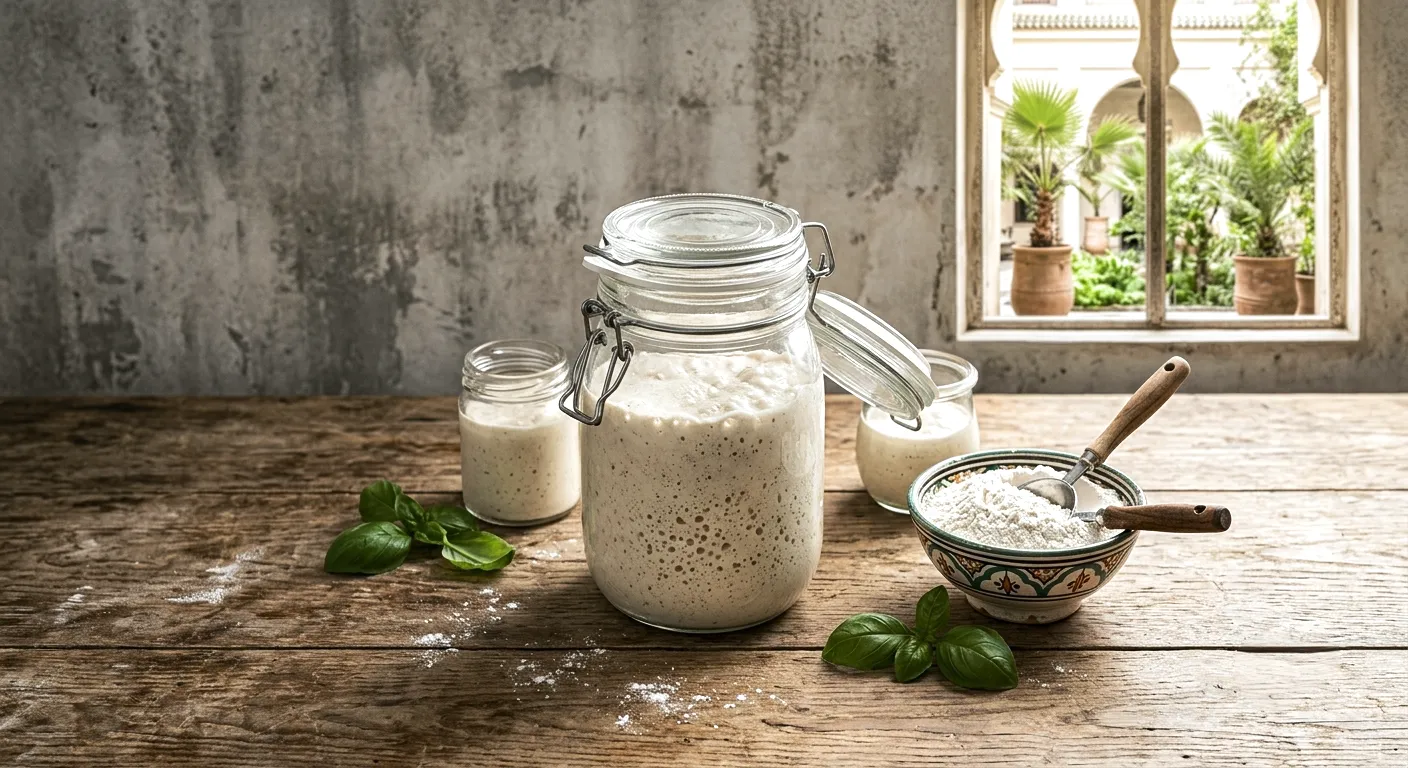
Sourdough Starter Recipe: A Comprehensive Guide to Homemade Starter
A detailed guide on how to make your own sourdough starter from scratch.
restaurant_menu Ingredients
Ingredients
hardware Essential Tools
Large glass or plastic container with lid
Kitchen scale
Spatula or spoon
format_list_numbered Preparation
Instructions
Day 1
Mix 70 grams flour and 70 grams water in a container. Cover loosely and leave at room temperature for 24 hours.
Day 2
Add 70 grams flour and 70 grams water. Stir. Cover loosely and leave at room temperature for 24 hours.
Day 3
Remove half (140 grams) of the starter. Add 70 grams flour and 70 grams water. Stir. Cover loosely and leave at room temperature for 24 hours.
Day 4 through about Day 10
Repeat Step 3 each day until the starter smells fruity and yeasty and is beautifully fermented. You can test this by seeing if it doubles in size within 2 to 3 hours of feeding.
Refrigerate until needed.
favorite You Might Also Love
Browse All arrow_forwardCream of Tomato Soup Recipe (Velvety Smooth)
Creamy Au Gratin Potatoes Recipe - Easy & Delicious Side Dish
Creamy Garlic Smothered Baked Potatoes: The Ultimate Comfort Food Recipe
Classic Homemade Pesto Recipe: Fresh & Flavorful

Classic Homemade Pesto Recipe: Fresh & Flavorful
Classic Raisin Pie Recipe: A Nostalgic Slice of Comfort
Try These Variations
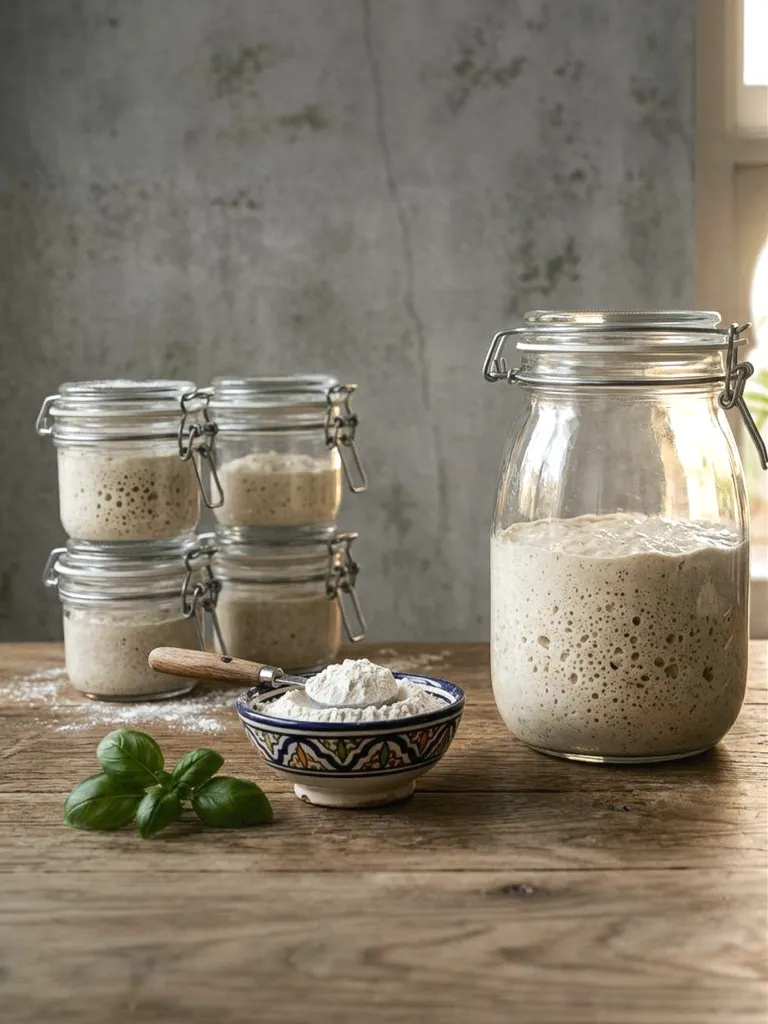
Once you have a thriving sourdough starter, you can experiment with different flours, hydration levels, and fermentation times to create unique flavor profiles. Try using whole wheat flour, rye flour, or spelt flour in your starter. You can also adjust the amount of water you use to create a stiffer or looser starter. Experiment with different fermentation temperatures to influence the flavor of your sourdough bread.
Chef's Pro Tips
For best results, use bottled water or boiled, cooled water to avoid chlorine. Use a kitchen scale for accurate measurements. Maintain a consistent temperature for optimal fermentation. Be patient and observe your starter closely, adjusting the feeding schedule as needed.
Storage Guide
Store your sourdough starter in the refrigerator for short-term storage (up to a week). Feed it before refrigerating. For longer-term storage, freeze the starter or dry it by spreading it thinly on parchment paper. To reactivate, rehydrate and feed regularly.
Avoid These Mistakes
✕ Common mistakes include inconsistent feeding, using chlorinated tap water, neglecting temperature control, and using old or expired flour. Always discard the appropriate amount of starter before feeding. Use fresh, high-quality flour. Avoid using metal containers, as they can react with the acids produced during fermentation.
nutrition Nutrition Facts
Per serving: 1 serving
Nutritional values are approximate and may vary based on specific ingredients and portion sizes.
flag Conclusion
Creating your own sourdough starter is a rewarding culinary journey. With patience and practice, you’ll develop a thriving starter that produces delicious, tangy bread and other baked goods. Embrace the process and enjoy the satisfaction of creating something truly unique.
sell Related Topics
Frequently Asked Questions
How do you make your own sourdough starter? expand_more
Mix equal parts of flour and water in a jar. Let it sit at room temperature for 24 hours, then discard half and feed it with fresh flour and water daily for about 1-2 weeks until it doubles in size within a few hours after feeding.
What is the biggest mistake you can make with your sourdough starter? expand_more
The biggest mistake is inconsistent feeding. A sourdough starter needs regular feeding to stay active and healthy. Neglecting to feed it can weaken the starter and make it difficult to rise.
What makes the best sourdough starter? expand_more
The best sourdough starter is one that is consistently active and doubles in size within a few hours after feeding. It should have a pleasant, slightly tangy aroma and a light, airy texture. Using high-quality flour and maintaining a consistent temperature are also important factors.
How to make enough sourdough starter for a recipe? expand_more
To ensure you have enough sourdough starter for a recipe, plan ahead and feed your starter the day before you plan to bake. This will give it time to become active and bubbly. If you need a specific amount of starter, adjust the feeding accordingly to ensure you have enough to use in your recipe while still reserving some to maintain the starter culture.
More Recipes You'll Love

Classic Basil Pesto Recipe: A Flavorful Italian Delight

Community Kitchen