Simple. Tasty. From Our Home to Yours. Browse all recipes

Simple. Tasty. From Our Home to Yours. Browse all recipes
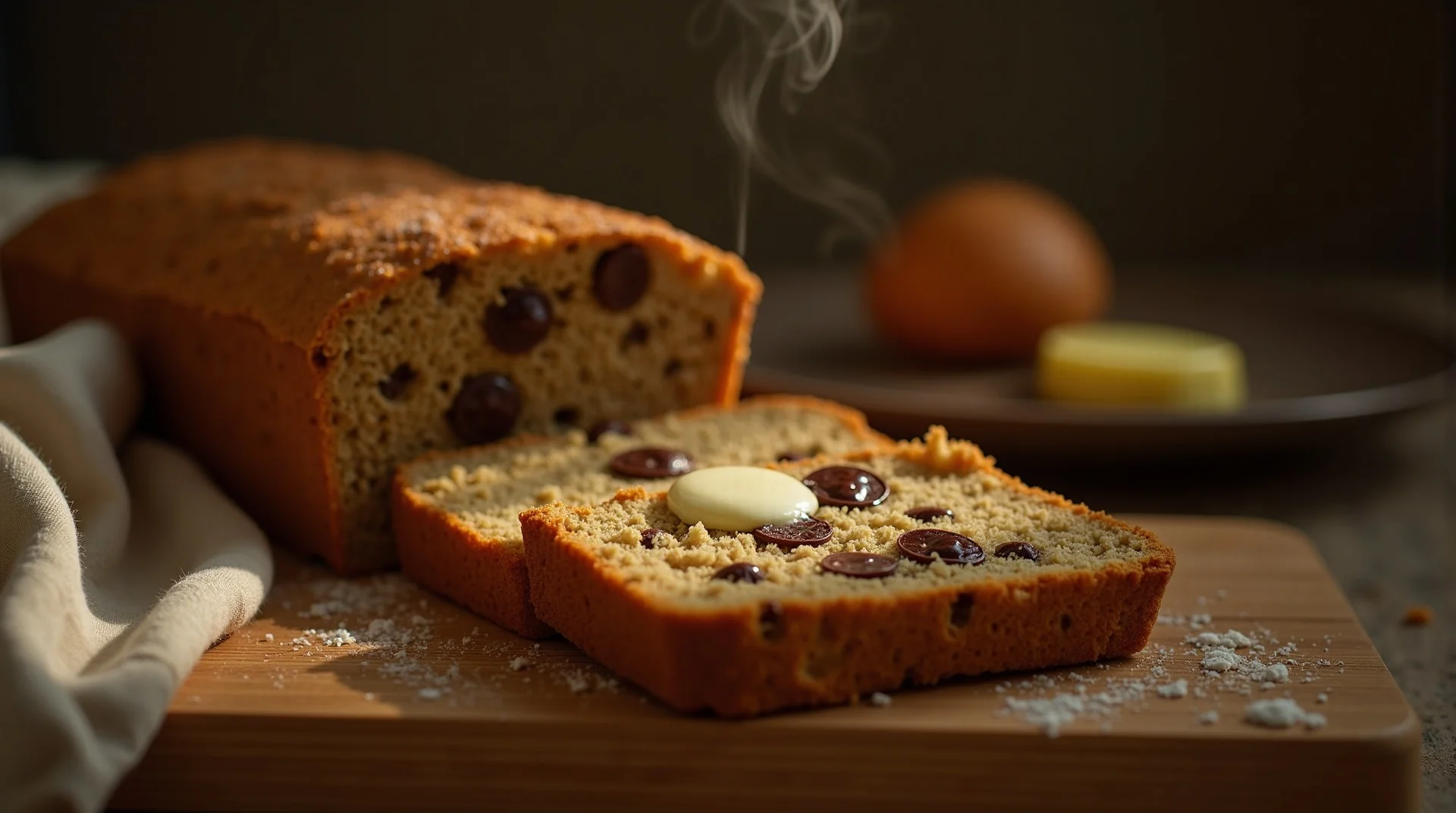
These are the definitive No Bake Chocolate Oat Bars—a testament to how simple ingredients can create profound flavor and texture. The base is intensely chewy, thanks to the molasses in the brown sugar and the perfect binding power of creamy peanut butter and melted butter. Finished with a thick, glossy layer of semisweet chocolate that snaps when you bite into it, these squares epitomize American comfort baking without ever touching the heat of an oven. They are fast, freezer-friendly, and always the first thing gone at any gathering. Mastering these No Bake Chocolate Oat Bars is essential for any home cook looking for reliable, crowd-pleasing results.
8-inch square metal baking pan
Parchment paper
Medium heavy-bottomed saucepan
Large mixing bowl
Sturdy wooden spoon or spatula
Microwave-safe bowl or double boiler
Offset spatula
Line an 8-inch square pan with parchment paper, leaving an overhang for easy removal later, which is vital for clean slicing of your No Bake Chocolate Oat Bars.
In a saucepan over medium heat, combine the butter, brown sugar, and vanilla. Stir constantly until the butter is fully melted and the sugar dissolves. Bring this mixture to a gentle simmer and cook for exactly 60 seconds, then immediately remove from the heat source.
Whisk the 1/2 cup of peanut butter and salt into the hot mixture until completely smooth and emulsified.
Pour this hot binder over the 3 cups of quick oats in a large bowl and fold aggressively until every oat flake is thoroughly coated in the rich mixture.
Transfer the coated oats into the prepared pan. Use the bottom of a measuring cup or flat spatula to press the mixture down with firm, even pressure until it is tightly compacted and level across the entire surface.
Prepare the topping by melting the chocolate chips and 1 tablespoon of butter together in short bursts in the microwave, stirring until luxuriously smooth.
Pour the melted chocolate evenly over the oat base and use an offset spatula to spread it smoothly to the edges.
Refrigerate for at least 2 hours, or until completely firm, before using the parchment sling to lift the slab out and slice into 16 perfect squares of No Bake Chocolate Oat Bars.
For those needing to avoid peanuts, substitute the 1/2 cup of creamy peanut butter with an equal amount of SunButter (sunflower seed butter) or a high-quality tahini, though tahini will impart a slightly earthier flavor profile to your No Bake Chocolate Oat Bars. You may need to slightly increase the salt by an extra pinch to balance the flavor, as tahini lacks the inherent saltiness often present in commercial peanut butter. This modification maintains the crucial binding structure required for a sturdy bar.
To elevate the decadence, dissolve 1 teaspoon of instant espresso powder directly into the hot butter/sugar mixture during the simmering stage. This deepens the chocolate flavor profile beautifully, making the topping taste richer and more complex, reminiscent of a high-end dark chocolate truffle. Furthermore, swap out half (1/2 cup) of the semisweet chips for bittersweet (60-70% cacao) chips in the topping for a sophisticated bitterness that cuts through the sweetness of the base.
Introduce textural complexity by folding in 1/2 cup of dried cranberries or finely chopped dried apricots along with the oats. These add bursts of tartness and chewiness that complement the richness of the chocolate and peanut butter. Ensure the dried fruit is relatively soft; if your cranberries are very hard, briefly soak them in hot water for 5 minutes and then pat them completely dry before adding them to the oat mixture, preventing excess moisture from interfering with the set of your No Bake Chocolate Oat Bars.
When incorporating the melted chocolate topping, always add one tablespoon of neutral oil (like refined coconut oil or canola oil) along with the butter. This simple addition lowers the viscosity of the chocolate slightly, ensuring it spreads thinner and more evenly across the dense oat layer without pulling up the base. More importantly, this prevents the chocolate from seizing or becoming overly hard and brittle when chilled, allowing for a much more pleasant, slightly yielding bite when you enjoy your No Bake Chocolate Oat Bars.
Always use a square, metal pan for these bars. Glass or ceramic pans insulate heat differently, which can drastically alter the setting time of the base mixture, potentially leading to an under-set bottom layer or an over-set, crumbly texture. Metal conducts cold efficiently, ensuring the entire structure chills uniformly, which is paramount for achieving the necessary density in a no-bake recipe. If you must substitute, use an oven-safe glass dish and increase the chilling time by 30 minutes.
To achieve an even cleaner slice—a hallmark of professional pastry work—chill the finished bars until they are rock hard (at least 3 hours). Then, heat a long, thin chef’s knife under hot running water for 15 seconds, dry it completely, and slice. Wipe the blade clean between every single cut. The heat from the knife melts the chocolate and the binder just enough to allow a perfect, clean separation without dragging the layers or cracking the surface of your beautiful No Bake Chocolate Oat Bars.
These bars store exceptionally well at cool room temperature (ideally below 70°F). Place the completely cut and cooled bars in a single layer inside an airtight container lined with a sheet of wax paper or parchment paper. This separation prevents the chocolate tops from sticking to each other or to the container lid. Stored this way, they maintain excellent texture for up to 4 days. Avoid warm or humid environments, as this will cause the chocolate topping to soften excessively and potentially sweat or bloom.
For extended freshness and a firmer texture, store the bars in an airtight, rigid container in the refrigerator. Chilling firms up the butter and peanut butter binder, giving the bars a denser, almost fudge-like chew. If storing for longer than 5 days, place plastic wrap directly on top of the chocolate layer before sealing the container lid to prevent the bars from absorbing ambient refrigerator odors. They are delicious eaten straight from the fridge.
These No Bake Chocolate Oat Bars freeze beautifully, making them excellent for batch prepping. Arrange the cut squares in a single layer on a parchment-lined baking sheet and flash-freeze for about one hour until solid. Once frozen, transfer them to a heavy-duty freezer bag, squeezing out as much air as possible to prevent freezer burn. They can be kept frozen for up to 3 months. Thaw them on the counter for about 30 minutes, or enjoy them semi-frozen for a firmer, ice-cream-bar-like experience.
Per serving: 1 bar
Nutritional values are estimates based on standard ingredient brands and serving size.
There you have it—the ultimate, foolproof method for creating incredible No Bake Chocolate Oat Bars. This recipe proves that world-class flavor doesn’t require a 12-hour process or complex techniques; it just requires understanding the science behind simple binding agents. These bars are ready when you are, offering that perfect marriage of salty, sweet, chocolate, and chew. Go ahead, make a batch for your family this week, and watch them disappear. Remember, the kitchen is your laboratory, and every successful bake, no-bake or otherwise, builds your confidence. Happy cooking from HomeRecipes.com!
Crumbliness almost always comes down to insufficient binding or lack of compression. First, check your simmer time: did you simmer the butter/sugar/peanut butter mixture for the full 60 seconds after it began bubbling? This brief period is critical for activating the sugar binder. Second, when transferring the mix to the pan, did you press down with significant, even force? If you only spooned it in loosely, air pockets remain, leading to breakage. Ensure you use a dense, stabilized peanut butter, as natural, oily varieties compromise the structure.
While you technically can, I strongly advise against it for this specific recipe. Quick oats are smaller and have been rolled thinner, allowing them to absorb the melted binder rapidly and evenly, creating that smooth, cohesive chew characteristic of the best No Bake Chocolate Oat Bars. Rolled oats are larger and denser; they tend to remain slightly too firm even after being coated, resulting in a chunkier, less uniform texture that might feel dry or separate easily when cut.
The key to a glossy, non-waxy chocolate topping is controlling the heat and preventing moisture contamination. When melting the chocolate chips and the extra tablespoon of butter, use short bursts in the microwave (20 seconds max) and stir thoroughly between each burst. Do not let the chocolate get too hot, or it will seize. For the best sheen, ensure your bowl and spatula are completely dry, as even a single drop of water can cause the chocolate to thicken instantly. Allow the residual heat to melt the final few chips for the smoothest possible finish.
These No Bake Chocolate Oat Bars are quite stable. At cool room temperature (under 70°F), they will last perfectly fine for up to four days when stored in an airtight container with layers separated by parchment. However, if your kitchen is warm or humid, refrigeration is necessary to maintain the structure of the butter and chocolate layers; they will last up to ten days in the fridge. Remember to let them warm slightly before serving if refrigerated, as the cold makes the base very firm.
Peanut butter provides both fat and protein structure, acting as a crucial emulsifier. The best substitute, flavor-wise, would be an equal amount (1/2 cup) of almond butter or cashew butter, provided it is the creamy, stabilized variety (not the super-oily natural kind). If you need a complete nut-free option, use sunflower seed butter (SunButter). If using SunButter, you might notice a slightly stronger flavor, so consider adding an extra teaspoon of vanilla extract to the base mixture to enhance the sweetness and balance the earthy notes.
No items yet. Click "Add All" or use + buttons!
Community Kitchen