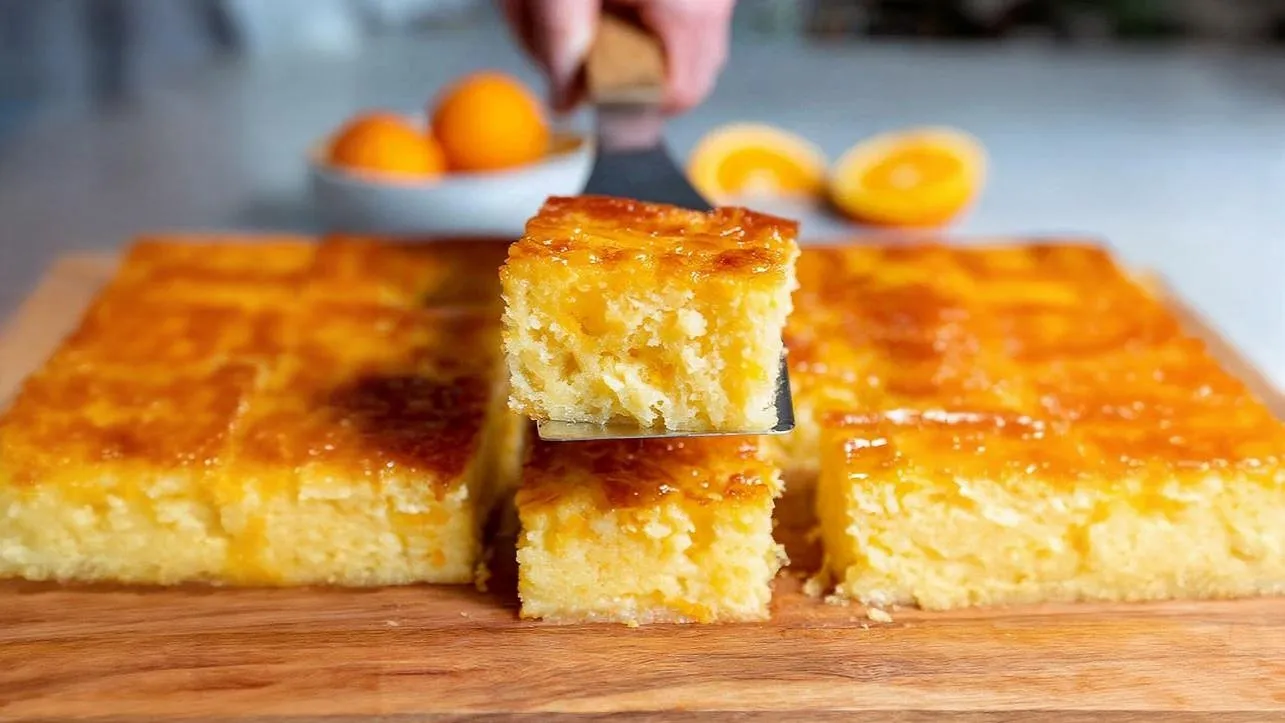
Greek Orange Cake Recipe (Moist & Aromatic)
Experience the delightful flavors of the Mediterranean with this exquisite Greek Orange Cake. This recipe delivers an incredibly moist, tender crumb thanks to the unique combination of Greek yogurt and olive oil, all drenched in a vibrant, sweet, and tangy orange syrup. Each bite of this Greek Orange Cake is a burst of sunshine, making it a perfect dessert for any occasion, from casual family dinners to elegant gatherings. It’s a testament to simple, fresh ingredients creating culinary magic.
restaurant_menu Ingredients
For the Cake
For the Orange Syrup
For Garnish (Optional)
hardware Essential Tools
9-inch round cake pan (springform recommended)
Large mixing bowl
Medium mixing bowl
Whisk
Electric hand mixer or stand mixer with paddle attachment
Microplane or fine grater
Rubber spatula
Small saucepan
Wooden skewer or fork
Wire cooling rack
format_list_numbered Preparation
Preparing the Cake Batter
Preheat your oven to 350°F (175°C) and generously grease a 9-inch round cake pan with olive oil or cooking spray, then dust lightly with flour, tapping out excess.
In a medium bowl, whisk together the 1 ½ cups all-purpose flour, 2 teaspoons baking powder, and ½ teaspoon kosher salt until well combined; set aside.
In a large mixing bowl, beat 1 cup granulated sugar and 3 large eggs with an electric mixer on medium-high speed for 3-5 minutes until pale, thick, and fluffy.
Reduce mixer speed to low and slowly drizzle in ½ cup mild extra virgin olive oil, mixing until just combined.
Add 1 cup full-fat Greek yogurt, 1 teaspoon vanilla extract, and the zest of 1 large orange to the wet ingredients, mixing on low speed until smoothly incorporated.
Gradually add the dry flour mixture to the wet ingredients, mixing on the lowest speed or by hand with a spatula, just until no streaks of flour remain; do not overmix.
Pour the batter evenly into your prepared cake pan and gently tap the pan on the counter a few times to release any large air bubbles.
Baking and Syrupping
Bake the Greek Orange Cake for 35-45 minutes, or until a wooden skewer inserted into the center comes out clean and the top is golden brown.
Remove the cake from the oven and let it cool completely in the pan on a wire rack; this is a crucial step before adding the syrup.
While the cake cools, prepare the orange syrup by combining 1 cup granulated sugar, 1 cup fresh orange juice, and ½ cup water in a small saucepan.
Bring the syrup mixture to a gentle boil over medium heat, stirring until the sugar dissolves, then reduce heat to low and simmer for 5-7 minutes until slightly thickened.
Once the cake is completely cool, use a wooden skewer or fork to poke numerous holes all over the top surface of the cake.
Slowly and evenly pour the warm orange syrup over the entire cooled cake, ensuring it soaks into all the poked holes.
Allow the Greek Orange Cake to rest at room temperature for at least 2 hours, or ideally overnight, for the syrup to fully absorb and for the flavors to meld beautifully.
Finishing and Serving
Once the cake has fully absorbed the syrup, carefully remove it from the pan.
Dust the top of the Greek Orange Cake with 2 tablespoons of powdered sugar, if desired.
Garnish with fresh orange zest or candied orange slices for an elegant finish.
Slice and serve this delicious Greek Orange Cake with coffee, iced tea, or a scoop of vanilla ice cream.
favorite You Might Also Love
Browse All arrow_forwardFudgy Chocolate Brownie with Condensed Milk
Golden Pineapple Bake Recipe: Tropical Comfort
Elevate Tea Time: Decadent Matcha Cake Recipe
Effortless Two-Ingredient Lemon Bars: Sunshine in Every Bite
Effortless Two Ingredient Lemon Bars Mastery
Effortless Creamy Lemon Dream: The Ultimate No-Bake Dessert
Try These Variations
Lemon-Lime Twist
For a brighter, tangier profile, substitute half of the orange juice and zest with fresh lemon juice and lime zest. This creates a wonderfully zesty Greek Orange Cake with a more pronounced tartness, perfect for those who enjoy a sharper citrus flavor. Adjust sugar slightly if needed, but the original amount usually balances well. The color will also be a bit lighter and more vibrant, offering a different visual appeal. Ensure you use fresh citrus for the best results.
Spiced Orange Cake
Infuse your Greek Orange Cake with warm spices by adding ½ teaspoon of ground cinnamon and ¼ teaspoon of ground cardamom to the dry ingredients. These spices pair beautifully with orange, adding a layer of depth and warmth. You can also add a cinnamon stick and a few green cardamom pods to the syrup while it simmers, removing them before pouring. This variation is particularly comforting during cooler months.
Nutty Crunch
Incorporate finely chopped blanched almonds or pistachios into the cake batter for added texture and a subtle nutty flavor. About ½ cup of nuts, folded in with the dry ingredients, will provide a delightful crunch. You can also sprinkle some toasted, chopped nuts over the top of the cake before serving for an extra layer of texture and visual appeal. This adds a lovely contrast to the moist crumb of the Greek Orange Cake.
Chef's Pro Tips
Emulsification is Key for Texture
When creaming the eggs and sugar, really take the time to beat them until they are pale, thick, and voluminous. This process, called emulsification, incorporates a significant amount of air, which is essential for a light and tender Greek Orange Cake. It creates a stable base that can hold the fats and liquids without separating, contributing to a consistently smooth batter and a delicate crumb.
Don’t Be Afraid to Poke Holes
It might feel counterintuitive to poke holes in a perfectly baked cake, but this step is absolutely crucial for a truly moist Greek Orange Cake. The holes create channels that allow the warm syrup to penetrate deeply into the cake, ensuring every fiber is saturated with that incredible orange flavor and moisture. Without them, the syrup would mostly sit on top, leading to a less uniformly flavored and textured cake.
The Magic of Resting Time
The most overlooked, yet vital, step for this Greek Orange Cake is the resting period after the syrup is poured. Allowing the cake to sit for at least a few hours, or ideally overnight, gives the cake ample time to fully absorb the syrup. This isn’t just about moisture; it allows the flavors to meld and deepen, transforming a good cake into an extraordinary one. Patience truly pays off here, resulting in a cake that becomes even better the next day.
Storage Guide
Room Temperature
Once the Greek Orange Cake has fully absorbed the syrup and completely cooled, store it under a cake dome or loosely covered with plastic wrap at room temperature for up to 2-3 days. The moisture from the syrup keeps the cake incredibly fresh, and the flavors actually deepen and improve on the second day. Ensure it’s not exposed to direct sunlight or excessive heat, which could affect its texture.
Refrigerator
For longer enjoyment, transfer slices or the entire Greek Orange Cake to an airtight container and refrigerate for up to 5-7 days. The cold will firm up the cake slightly, but it will remain exceptionally moist. To serve, allow individual slices to come to room temperature for about 30 minutes, or gently warm them for a few seconds in the microwave to restore a softer texture.
Freezer
To preserve your Greek Orange Cake for an extended period, wrap individual slices or the whole cooled cake tightly in plastic wrap, then an additional layer of aluminum foil, to prevent freezer burn. It can be stored in the freezer for up to 2 months. Thaw the cake overnight in the refrigerator, then bring it to room temperature before serving for the best texture and flavor. This is perfect for meal prepping desserts!
Avoid These Mistakes
✕ Overmixing the Batter
A common pitfall in cake baking, overmixing develops the gluten in the flour, resulting in a tough, rubbery Greek Orange Cake rather than a tender, delicate one. Once you add the dry ingredients, mix only until they are just combined, and no streaks of flour are visible. A few small lumps are preferable to an overmixed, dense cake. Always use a light hand when combining the wet and dry components.
✕ Pouring Syrup on a Warm Cake
This is a mistake that can lead to a soggy or mushy Greek Orange Cake. If the cake is still warm when the syrup is poured, it can absorb the liquid too quickly and unevenly, causing structural breakdown. Always ensure your cake is completely cooled before drenching it with the warm syrup. The contrast in temperatures allows for slow, even absorption, leading to that perfect moist texture.
✕ Using Artificial Orange Flavoring
While convenient, artificial orange extracts or flavorings simply cannot replicate the complex, bright, and nuanced flavor of fresh orange zest and juice. These artificial alternatives often taste cloyingly sweet or medicinal, detracting significantly from the authentic taste of a Greek Orange Cake. Invest in fresh, ripe oranges; their natural oils and juices are indispensable for a truly exceptional result.
✕ Not Greasing and Flourishing the Pan Properly
If your Greek Orange Cake sticks to the pan, it’s likely due to inadequate preparation of the cake pan. A quick spray of cooking oil isn’t always enough. Ensure you generously grease the entire interior surface of the pan, including the sides, with olive oil or butter, then dust it thoroughly with flour, tapping out any excess. For extra security, especially with complex pans, you can line the bottom with parchment paper.
nutrition Nutrition Facts
Per serving: 1 slice
Nutritional values are approximate and may vary based on specific ingredients and portion sizes.
flag Conclusion
And there you have it, a slice of pure Mediterranean sunshine! This Greek Orange Cake is more than just a dessert; it’s an invitation to savor simple, yet profound, flavors. I truly hope you’ll bring this recipe into your home, fill your kitchen with its incredible aroma, and share its moist, zesty goodness with those you love. Here at HomeRecipes.com, we believe that every meal can be a journey, and this Greek Orange Cake is a delicious destination. Happy baking!
sell Related Topics
Frequently Asked Questions
Can I use bottled orange juice for this Greek Orange Cake? expand_more
While you certainly can use bottled orange juice in a pinch, I strongly recommend using freshly squeezed orange juice for this Greek Orange Cake. The fresh juice provides a much brighter, more vibrant, and complex citrus flavor that simply cannot be replicated by bottled versions. The zest from fresh oranges also contributes essential aromatic oils to both the cake and the syrup. If you must use bottled, opt for a high-quality, not-from-concentrate variety for the best possible outcome.
My Greek Orange Cake turned out dry. What went wrong? expand_more
A dry Greek Orange Cake can usually be attributed to a few common culprits. The most frequent issue is overbaking; ovens can vary, so always check for doneness with a toothpick and remove the cake as soon as it comes out clean. Another factor could be overmixing the batter, which develops gluten and makes the cake tough. Finally, ensure you're using full-fat Greek yogurt and good quality olive oil, as these contribute significantly to the cake's moisture. And remember, pouring warm syrup over a completely cooled cake is crucial for optimal absorption.
Can I make this Greek Orange Cake gluten-free? expand_more
Absolutely! To make this Greek Orange Cake gluten-free, you can substitute the all-purpose flour with a high-quality 1:1 gluten-free baking flour blend that contains xanthan gum. When using gluten-free flour, be extra cautious about overmixing, as these blends can sometimes become gummy if overworked. The Greek yogurt and olive oil will still provide excellent moisture, making it a fantastic candidate for a gluten-free adaptation without sacrificing flavor or texture.
What kind of oranges are best for this recipe? expand_more
For the best Greek Orange Cake, I recommend using navel oranges or Valencia oranges. Navel oranges are widely available, easy to zest, and provide plenty of sweet, juicy pulp. Valencia oranges are also excellent, particularly for their high juice content and balanced sweet-tart flavor. Avoid blood oranges unless you specifically want a different color and a slightly tarter profile. The key is to choose ripe, fragrant oranges that feel heavy for their size, indicating they are full of juice.
How do I prevent the cake from sticking to the pan? expand_more
To ensure your Greek Orange Cake releases perfectly from the pan every time, thorough greasing and flouring are essential. After greasing your 9-inch round cake pan with olive oil or cooking spray, sprinkle about a tablespoon of all-purpose flour into the pan. Tilt and rotate the pan, tapping gently, until the flour evenly coats the entire greased surface, including the sides. Then, invert the pan and tap out any excess flour. For added security, especially with more delicate cakes, you can line the bottom of the pan with a circle of parchment paper after greasing and flouring. This creates a reliable non-stick barrier.
Community Kitchen