Rich Garlic Butter Beef Pasta Mastery
This is restaurant-quality comfort food engineered for speed. Our Garlic Butter Beef Pasta transforms simple ingredients—ground beef, butter, and Parmesan—into an intensely savory, luxuriously creamy meal. By cooking the pasta directly in the sauce, we harness the starch to create a natural emulsion, ensuring every strand of linguine is perfectly enveloped in the deeply flavored coating. It’s rich, satisfying, and surprisingly quick, making it the perfect centerpiece for any busy American weeknight dinner.
restaurant_menu Ingredients
The Flavor Foundation & Pasta
Finishing Touches
hardware Essential Tools
Large, heavy-bottomed skillet or Dutch oven
Wooden spoon or heat-proof spatula
Measuring cups and spoons
Fine mesh sieve (for draining fat)
Cheese grater
Tongs or large fork for stirring
format_list_numbered Preparation
Building the Savory Base
In your large skillet over medium-high heat, melt the butter until it foams. Add the ground beef and season liberally with salt and pepper. Break the beef apart and allow it to develop a deep brown crust—do not stir constantly. Once well-browned, carefully drain off all excess rendered fat using a sieve or by tilting the pan. Reduce the heat to low and add the minced garlic, stirring constantly for exactly 30 seconds until fragrant. Immediately stir in the onion powder, garlic powder, and Italian seasoning, cooking for another 15 seconds to bloom the spices.
Cooking the Pasta in Sauce
Pour in the chicken broth and heavy cream, stirring well to scrape up any browned bits (fond) from the bottom of the pan. Add the 8 ounces of dry linguine, ensuring it is fully submerged. Bring the liquid mixture to a very gentle simmer, then immediately cover the skillet and reduce the heat to the lowest setting. Cook for approximately 10 minutes, lifting the lid and stirring every 2 minutes to prevent sticking and ensure even starch release. If the liquid looks too dry before the pasta is tender, add 1/4 cup of hot water or broth.
Finishing and Serving
Once the pasta is tender (al dente), remove the skillet completely from the heat source and allow it to rest for 60 seconds. Sprinkle in the freshly grated Parmesan cheese. Stir slowly and gently until the cheese has fully melted and emulsified into a smooth, velvety sauce that coats the beef and pasta perfectly. Taste and adjust seasoning with final pinches of salt and pepper. Serve immediately in warm bowls, topped generously with the fresh chopped parsley.
favorite You Might Also Love
Browse All arrow_forwardHomemade Chicken Broth Recipe (Essential Kitchen Stock)

Baked Potato Chicken and Broccoli Casserole Recipe (Creamy & Hearty)
Paccheri alla Vittorio Recipe (Simple Tomato Pasta)

Low Carb 3-Ingredient Salmon Patties Recipe (Quick & Easy)
No-Cook Camping Meals Recipe (Effortless Outdoors)
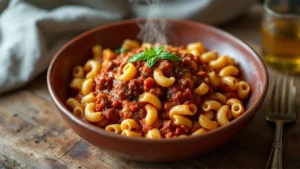
Hearty American Goulash: A Comfort Classic Redefined
Try These Variations
Creamy Tomato Basil Variation
For a slight acidic counterpoint, replace 1/2 cup of the chicken broth with 1/2 cup of high-quality crushed San Marzano tomatoes. When you add the cream, also add 1 teaspoon of dried basil along with the Italian seasoning. This creates a beautiful pink sauce that retains the richness of the butter but gains complexity from the tomato acidity, reminiscent of a quick, rustic Italian preparation. Ensure you still cook the pasta in the liquid base for the starch release.
Mushroom & White Wine Substitute
If you desire a slightly sharper, less heavy sauce, substitute 1/2 cup of the chicken broth with 1/2 cup of dry white grape juice (since alcohol is prohibited). When blooming the garlic, add 1 tablespoon of tomato paste and cook it down for 2 minutes until it darkens. Use the grape juice to deglaze the pan slightly before adding the cream. This adds a subtle tanginess that brightens the overall profile of the Garlic Butter Beef Pasta.
Spicy Sausage Swap
Replace the 1 lb of ground beef with 1 lb of mild or hot Italian sausage (ensuring it is Halal certified). Since sausage is much fattier, you must drain the fat very thoroughly after browning. When adding the aromatics, include 1/2 teaspoon of red pepper flakes for an extra layer of heat that complements the fennel and spice notes naturally present in the sausage.
Herbaceous Lemon Zest Finish
To mimic the brightness often found in lighter pasta dishes, reserve the parsley garnish until the very end. After stirring in the cheese and seasoning, stir in the zest of one whole large lemon. The bright citrus oils cut beautifully through the richness of the butter and cream, providing a fresh aromatic lift that makes the heavy Garlic Butter Beef Pasta feel surprisingly light.
Chef's Pro Tips
The key to preventing the sauce from becoming watery when using the one-pot pasta method is controlling your simmer. The liquid must be actively evaporating while the pasta cooks. If you boil too vigorously, the water evaporates too fast, leaving the pasta undercooked and the sauce scorched. If you simmer too gently (barely bubbling), the starch doesn’t release effectively, resulting in a thin, soupy coating. Aim for a steady, low simmer where you see small, slow bubbles breaking the surface consistently across the pan.
Always use low-sodium chicken broth, regardless of your preference for saltiness. Because this recipe concentrates the broth, cream, and Parmesan cheese—all salty components—in one small volume, using regular broth often results in an overly aggressive final salinity that cannot be reversed. By starting low, you control the final seasoning precisely during that last taste test, ensuring your Garlic Butter Beef Pasta is perfectly balanced.
When grating Parmesan, always use the finest side of your box grater or a microplane. The smaller the particle size, the faster and more completely it will dissolve and emulsify into the warm cream/broth mixture when taken off the heat. Large shards of cheese will melt unevenly, leading to pockets of unmelted cheese or an oily separation, ruining the smooth texture we are aiming for in this Garlic Butter Beef Pasta.
If you find your sauce is slightly too thick after adding the cheese, do not panic and add water. Instead, reserve about 1/2 cup of the starchy water the pasta cooked in (if you boiled it separately) or add 1/4 cup of hot water mixed with 1/2 teaspoon of cornstarch slurry (1 part cornstarch to 2 parts water). Starch slurry thickens quickly and binds better with the dairy fats than plain water does, restoring that luxurious cling to your Garlic Butter Beef Pasta.
Storage Guide
To store leftovers of this Garlic Butter Beef Pasta effectively, cool the dish completely on the counter for no more than 45 minutes. Transfer the pasta into a shallow, airtight, non-reactive container (glass is ideal). Storing in a shallow container promotes faster, safer cooling in the refrigerator. It will maintain good quality for up to 3 days, though the sauce will be noticeably thicker upon refrigeration due to the fat content firming up.
Freezing this dish is discouraged due to the high dairy content. The texture of the heavy cream and Parmesan emulsion breaks down significantly when frozen and thawed, resulting in a grainy, separated sauce that is difficult to fully re-emulsify. If freezing is absolutely necessary, use small, flat portions immediately after cooking and thaw overnight in the refrigerator before reheating very slowly on the stovetop with added liquid.
Reheating should always prioritize low, slow heat to re-establish the emulsion. Transfer the chilled pasta to a skillet over medium-low heat. Add 1 tablespoon of whole milk or beef broth per cup of pasta being reheated. Cover the skillet and allow it to steam for 3 minutes until warmed through, then uncover and stir constantly until the sauce loosens and clings smoothly again. Avoid high heat or prolonged microwaving, which instantly breaks the sauce structure.
Avoid These Mistakes
✕ Using pre-shredded cheese is the number one texture killer for any creamy sauce. The anti-caking agents (like cellulose) prevent the cheese proteins from successfully binding with the fat and water molecules in the sauce, resulting in a gritty, unstable emulsion that separates into oil and solids when stirred or cooled. For a truly velvety Garlic Butter Beef Pasta, grate a block of hard cheese immediately before use, ensuring a clean, professional melt.
✕ Failing to scrape up the fond after browning the beef means discarding the deepest layer of flavor. The fond—those dark, caramelized bits stuck to the pan bottom—is the concentrated Maillard reaction byproduct. If you simply drain the fat and proceed, you lose the umami backbone of the dish. Always use a wooden spoon or spatula to vigorously scrape those bits into the broth when you add the liquids; this step is non-negotiable for maximum savory depth in this pasta.
✕ Adding the cream while the liquid is at a rolling boil is a recipe for curdling. When cold dairy hits aggressively hot liquid, the temperature differential can shock the milk proteins, causing them to tighten up and separate into curds rather than smoothly integrating. Ensure the liquid is brought to a gentle simmer before covering and reducing the heat, and for the cheese, always remove the pan from the heat entirely before stirring it in for the final finish.
✕ Not stirring the pasta frequently enough while it cooks in the sauce. Because the pasta is sitting directly in the thickening liquid, it has a high tendency to stick to the bottom of the pan and scorch, creating hard, burnt patches that ruin the flavor of the entire batch. Stirring every two minutes ensures the pasta moves around, cooks evenly, and releases its starch uniformly into the surrounding sauce, leading to a better overall consistency for the Garlic Butter Beef Pasta.
nutrition Nutrition Facts
Per serving: 1 1/2 cups
Sodium content is highly dependent on the salt added and the sodium level of the chicken broth used. Always taste before adding extra salt.
flag Conclusion
There you have it—the blueprint for a truly spectacular Garlic Butter Beef Pasta that rivals any creamy skillet dish you’ve had in a high-end American bistro. This recipe proves that deep, satisfying comfort doesn’t require hours of labor or obscure ingredients. It requires respect for technique: the proper sear, the careful blooming of spices, and the gentle finishing of the cheese emulsion. I encourage you to make this your own tonight. Taste, adjust, and enjoy the pride of serving a restaurant-quality meal made right at your own stove. Happy cooking, and remember to visit us often here at HomeRecipes.com for more culinary mastery!
sell Related Topics
Frequently Asked Questions
Can I use a different cut of beef instead of ground beef in this Garlic Butter Beef Pasta? expand_more
Absolutely, though it changes the dish entirely. If you wanted to pivot toward something heartier, you could substitute the ground beef with cubed sirloin or chuck roast. However, if you make this substitution, you must shift the cooking method entirely. You would need to sear the cubes extensively first, remove them, and then proceed with the sauce base. The beef would then need to simmer in the broth for at least 60 to 90 minutes until tender before adding the cream and pasta. This transforms your quick Garlic Butter Beef Pasta into a slow-simmered stew-like dish, which is delicious but requires planning. For the intended recipe, stick to ground beef.
Why did my sauce turn grainy or oily instead of creamy? expand_more
This is almost always due to high heat when adding the Parmesan cheese. Cheese is an emulsion stabilized by proteins. If the temperature is too high (above 160°F, generally), the proteins in the cheese denature too rapidly, squeezing out the fat and resulting in that unpleasant, separated, oily film on top of a clumpy cheese mass. The key is to remove the skillet from the burner entirely before incorporating the cheese. Let the residual heat gently melt it, allowing the starch from the pasta water to bind the fat back into a smooth sauce. This is a fundamental rule when finishing any creamy pasta.
I don't have linguine; what is the best substitute for this Garlic Butter Beef Pasta? expand_more
The best substitutes are any long, flat pasta that can hold a good amount of sauce. Fettuccine is interchangeable with linguine. If you only have penne or rotini, those will work, but you must adjust the cooking time significantly, as they absorb liquid differently. If using short pasta, you may need slightly more broth (up to 2.5 cups total) and you should stir more frequently, as short pasta tends to stick together more easily when cooked in sauce. Remember, the goal is for the sauce to cling; wider noodles generally succeed better than thin spaghetti for this heavy sauce.
Can I make this recipe vegetarian or use poultry instead? expand_more
For a vegetarian version, you can certainly omit the beef and use a full 3 tablespoons of butter or substitute with olive oil, increasing the garlic by two cloves. To replace the umami depth the beef provides, sauté 8 ounces of finely chopped mushrooms (cremini or shiitake) until deeply browned before adding the garlic. For poultry, ground chicken or turkey works perfectly well as a direct substitute for the beef—just be aware that ground poultry releases significantly less fat, so you might need to add an extra tablespoon of butter at the start to ensure you have enough fat to bloom your seasonings properly for this Garlic Butter Beef Pasta.
How can I make this Garlic Butter Beef Pasta spicier? expand_more
To introduce a pleasant heat that complements the richness, I suggest two avenues. First, when blooming the spices, add ½ teaspoon of red pepper flakes along with the garlic powder and Italian seasoning. This provides an immediate, sharp heat. Second, for a deeper, slow-burning warmth, consider brushing the skillet with a little chili oil instead of plain butter for the initial sauté, or stir in a dash of your favorite hot sauce (like Frank's RedHot or Tabasco) right before adding the Parmesan cheese. This will give your Garlic Butter Beef Pasta a wonderful kick.
More Recipes You'll Love
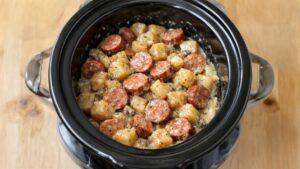
Four-Ingredient Slow Cooker Sausage and Potatoes
Restaurant-Quality Garlic Butter Beef Pasta Ready Fast
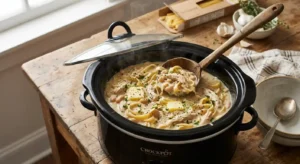
Creamy Chicken and Noodles in the Crockpot Recipe (Ultimate Comfort)
Restaurant-Quality Creamy Alfredo Lasagna Soup
8-Can Chicken Taco Soup Recipe (Quick & Hearty)
Community Kitchen