
Zesty Sunshine: The Ultimate Lemon And Coconut Cake
This is the definitive recipe for a show-stopping Lemon And Coconut Cake that balances sharp, fragrant citrus with the rich, comforting texture of coconut. We achieve an incredibly moist crumb by incorporating finely grated coconut directly into the batter, ensuring every bite is flavorful. The crowning glory is the thick, slightly chewy glaze, which sets beautifully on the fully cooled cake, providing a perfect textural contrast. It’s an accessible, single-layer bake that brings sunshine to any American table, making it an ideal dessert for potlucks or elegant weeknight treats. This Lemon And Coconut Cake redefines tropical comfort.
restaurant_menu Ingredients
For the Cake Batter
For the Tangy Coconut Glaze
hardware Essential Tools
9-inch springform pan
Parchment paper
Large mixing bowl
Stand mixer or electric hand mixer
Wire cooling rack
Small saucepan (for optional warming of milk)
Rubber spatula
Microplane or fine grater
Small whisk
format_list_numbered Preparation
Mixing the Batter
Preheat your oven to 350°F (175°C) and ensure your 9-inch springform pan is greased and lined with parchment on the bottom.
In a medium bowl, whisk together the flour, baking powder, and the finely grated coconut, ensuring there are no clumps. Set this dry mixture aside.
In the bowl of your stand mixer, cream the granulated sugar and softened butter substitute (if using) or just the sugar vigorously with the paddle attachment until the mixture is pale, fluffy, and has increased in volume significantly—this takes about 4 minutes.
Beat in the room-temperature eggs one at a time, scraping down the bowl sides thoroughly after each addition to ensure full incorporation into the sugar mixture.
Gradually add the dry ingredients mixture in three additions, alternating with the milk in two additions, beginning and ending with the dry components. Mix only until just combined; stop the mixer immediately when the last flour streak disappears to maintain a tender crumb for your Lemon And Coconut Cake.
Use a rubber spatula to gently fold in the tablespoon of fresh lemon zest by hand, ensuring even distribution without deflating the batter structure.
Baking and Glazing
Pour the finished batter into the prepared springform pan, spreading it evenly with an offset spatula. Place it on the center rack of the preheated oven.
Bake for 35 to 45 minutes. The cake is done when a thin wooden skewer inserted near the center comes out clean, and the edges show a slight golden-brown hue.
Allow the cake to cool in the pan on a wire rack for 5 minutes. Then, carefully release the sides and transfer the cake directly onto the rack to cool completely—this step prevents steam from softening the bottom crust.
While cooling, prepare the glaze
whisk the sifted powdered sugar, shredded coconut, and lemon zest together. Slowly stream in the fresh lemon juice, whisking until you achieve a thick, slow-pouring consistency, adding more sugar or juice by the teaspoon as needed to adjust flow. Do not glaze until the cake is stone cold.
Once fully cooled, generously spread the thick glaze over the top surface, allowing it to drip naturally down the sides. Let the glaze set for at least 30 minutes before slicing the Lemon And Coconut Cake.
favorite You Might Also Love
Browse All arrow_forwardNanas Classic Peppermint Bark Recipe (Holiday Candy)
Effortless 2 Ingredient Orange Sherbet Masterpiece
Golden Southern Banana Cobbler: Ultimate Comfort Bake

Old-Fashioned Pecan Logs Recipe (Chewy Caramel & Nutty)
Midwest Country Peanut Butter Delights Recipe (Classic & Chewy)
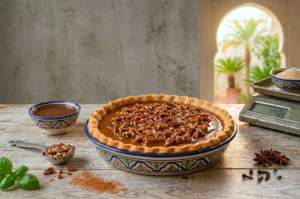
The Ultimate Homemade Pumpkin Pie Recipe with Caramel Pecan Topping
Try These Variations
Spiced Coconut Variation
To deepen the warmth of this Lemon And Coconut Cake, I highly recommend adding 1/2 teaspoon of ground cardamom and a pinch of ground nutmeg to the dry ingredients. Cardamom pairs exquisitely with coconut and lemon, lending an almost Middle Eastern complexity to the sweetness. For the glaze, substitute 1/4 of the lemon juice with high-quality, unsweetened coconut cream; this will result in a slightly softer, richer, more opaque frosting that still maintains that signature tang. This small adjustment transforms the cake from bright and zesty to warmly aromatic and deeply comforting, perfect for a cooler evening treat.
Gluten-Free Coconut Loaf
For those avoiding wheat, substitute the all-purpose flour with a high-quality 1-to-1 gluten-free baking blend that contains xanthan gum. Since gluten-free blends absorb liquid differently, you may need to increase the milk by 1/4 cup, adding it slowly until the batter reaches the same thick, ribbon-like consistency. Bake time might increase by 5-7 minutes, so watch that toothpick test carefully. This adaptation maintains the lovely moistness from the coconut, making it an excellent gluten-free alternative to our classic Lemon And Coconut Cake.
Brown Butter Lemon Cake
Before adding the sugar, brown your butter (if using butter instead of shortening/oil). Melt the butter over medium heat until the milk solids toast and turn a deep hazelnut brown, smelling nutty and rich. Immediately pour it into your mixing bowl to cool slightly before adding the sugar. This technique introduces a profound depth of caramelized flavor that contrasts beautifully with the sharp lemon in the glaze. It’s an advanced technique that really elevates this simple Lemon And Coconut Cake to a pastry-chef level dessert.
Chef's Pro Tips
When making the glaze, the temperature of your liquid is crucial. If your lemon juice is straight from the refrigerator, it can cause the powdered sugar to seize up and clump immediately. Always allow your juice to come to room temperature, or even slightly warm it for just 10 seconds in the microwave. This ensures the sugar dissolves smoothly, yielding a flawless, glossy finish that drapes beautifully over the cooled cake structure, which is essential for the presentation of this Lemon And Coconut Cake.
To intensify the lemon flavor without adding more acid that could break down the glaze, try infusing your milk overnight. Gently warm the milk in a saucepan, remove it from the heat, add half of your required lemon zest, cover, and let it steep in the refrigerator overnight. Strain the zest out before using the milk in the batter. This cold infusion extracts the fat-soluble flavors from the zest without introducing excess moisture or bitterness, resulting in a deeper, more complex lemon note throughout the cake crumb.
Always use fresh baking powder, particularly in recipes where it is a primary leavener like this one (we use a generous amount). Baking powder loses its potency over time, especially when exposed to humidity. If yours is older than six months, test it by dropping a teaspoon into a small bowl of hot water—it should bubble vigorously within seconds. If it fizzes weakly, discard it and buy a fresh can; a weak rise is the number one cause of dense, flat cakes, ruining the light texture we seek in our Lemon And Coconut Cake.
Storage Guide
Room Temperature Storage
Since this Lemon And Coconut Cake is heavily glazed, it holds up well on the counter for up to two days. Store it tightly covered, ideally under a cake dome or placed on a serving platter tightly tented with plastic wrap to prevent the glaze from drying out or absorbing ambient kitchen odors. Ensure the room temperature is stable, ideally below 72°F (22°C), as high heat can cause the glaze to weep or become too soft.
Refrigerator Storage
If you anticipate needing more than two days, the refrigerator is the best option, especially in humid climates. Place the completely cooled and glazed cake on a sturdy plate, cover tightly with plastic wrap, and then cover the entire setup loosely with aluminum foil to prevent odor absorption. When ready to serve, remove the cake from the refrigerator at least one hour prior to slicing; chilling tightens the crumb and dulls the flavor, so allowing it to return to room temperature is essential for optimal texture.
Freezer Instructions
This cake freezes beautifully, either whole or sliced. If freezing the whole cake, wrap it tightly first in plastic wrap (two layers), and then wrap securely in heavy-duty aluminum foil to prevent freezer burn. It will maintain quality for up to three months. To thaw, transfer the wrapped cake directly to the refrigerator for 12 hours, and then allow it to sit on the counter, still wrapped, for another 2 hours before unwrapping and serving.
Avoid These Mistakes
✕ Overmixing the batter after adding the flour is the most common pitfall, which leads to a tough, bread-like texture instead of the desired tender crumb. When flour hydrates, its proteins form gluten strands. Mixing vigorously develops these strands, creating elasticity. For a cake, we want minimal gluten development, so mix only until the dry streaks vanish. Stop, scrape, and fold by hand for the last few turns to ensure everything is incorporated without overworking the structure surrounding the coconut pieces.
✕ Failing to bring the eggs and milk to room temperature before mixing is another critical error. Cold ingredients shock the creamed butter/sugar mixture, causing it to curdle or separate. This results in a batter that looks lumpy rather than smooth, leading to poor aeration and a cake that bakes unevenly, often with little pockets of dense, under-risen batter. Always let dairy and eggs sit on the counter for at least 45 minutes before starting your bake for your Lemon And Coconut Cake.
✕ Applying the glaze to a warm cake is a recipe for failure, resulting in a sticky, translucent coating that soaks in completely, leaving no surface texture. The glaze needs a cool, dry surface to properly set into that slightly crisp, opaque layer we love. If you rush this cooling step, you sacrifice the beautiful textural contrast between the soft cake and the firm, chewy frosting. Patience here is truly rewarded with the final presentation of your Lemon And Coconut Cake.
nutrition Nutrition Facts
Per serving: 1 slice
Nutritional information is an estimate based on raw ingredient weights and standard calculations, assuming 10 equal servings.
flag Conclusion
There you have it—the blueprint for a truly spectacular Lemon And Coconut Cake that skips the fuss but delivers maximum flavor impact. This recipe proves that world-class baking doesn’t require hours of labor; it requires understanding the ingredients and respecting the process. I encourage you to make this your own—maybe try a drizzle of passion fruit reduction alongside the glaze next time! Take pride in the bright, sunny aroma filling your home right now. Serving this homemade masterpiece is a joy, and I can’t wait for you to share your results with the HomeRecipes community. Happy baking!
Frequently Asked Questions
Why is my glaze runny and not setting on my Lemon And Coconut Cake? expand_more
A runny glaze almost always points to one of two issues: too much liquid or glazing a warm cake. If the cake was even slightly warm, the heat melted the powdered sugar, causing it to thin out and soak in unevenly. If the cake was cold, the issue is likely the ratio—you added too much lemon juice. To fix a runny batch, whisk in powdered sugar, one tablespoon at a time, until you achieve a thick, slow-moving ribbon consistency that coats the back of a spoon. Remember, the glaze sets as it dries, so aim for slightly thicker than you think you need.
Can I substitute the milk with a non-dairy alternative in the batter? expand_more
Yes, you absolutely can substitute the whole milk, but pay close attention to the fat content. For the best Lemon And Coconut Cake texture, I recommend using full-fat oat milk or canned, full-fat coconut milk (the thick part, whisked smooth). These alternatives have a higher fat content, which mimics the richness of whole dairy milk, keeping the crumb tender. Avoid thin, watery alternatives like almond milk unless you reduce the amount slightly, as too much liquid can compromise the structure and lead to a gummy center.
My cake baked up beautifully but sank slightly in the middle after cooling. What happened? expand_more
A slight sink in the center is usually a sign that the cake structure was not fully set when it was removed from the oven. While your skewer test might look clean, if the internal temperature hasn't reached the point where the starches and proteins have completely stabilized, the weight of the cooling cake causes a collapse. This often happens if the oven temperature runs slightly cool or if the cake is removed too early. Ensure your oven thermometer is accurate and aim for that 35 to 45-minute window, checking frequently after the 30-minute mark.
How finely should the coconut for the batter be grated? expand_more
For the batter of the Lemon And Coconut Cake, the coconut should be very finely grated, almost powdery, if possible. If you are using standard bagged shredded coconut, pulse it briefly in a food processor—just 3 or 4 quick pulses—to break down the larger shreds. This fine texture allows the coconut to integrate fully, releasing its natural fats and moisture into the batter without creating large, disruptive pockets that might tear the delicate crumb structure during baking.
Is it necessary to use fresh lemon juice versus bottled concentrate? expand_more
For this recipe, especially in the glaze, fresh lemon juice is non-negotiable for achieving that vibrant, authentic zing. Bottled concentrates often contain preservatives and lack the volatile aromatic oils found in fresh zest and juice, resulting in a duller, sometimes metallic sourness. The brightness of fresh citrus is what makes this Lemon And Coconut Cake truly shine, so always opt for fresh lemons for both the zest and the juice component.
More Recipes You'll Love
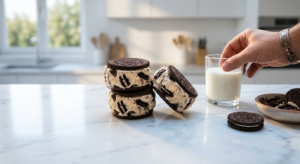
Oreo Ice Cream Sandwich Recipe (No-Churn)
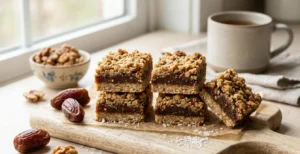
Mastering Flavorful Irish Coconut Date Bars at Home
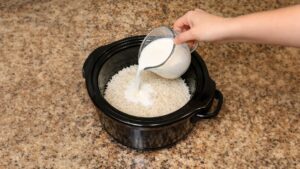
Velvety Slow Cooker Rice Pudding Masterpiece
Dubai Strawberry Chocolate Parfait Recipe (Creamy Dessert)

Crunchy Chocolate Peanut Butter Butterfinger Balls
Community Kitchen