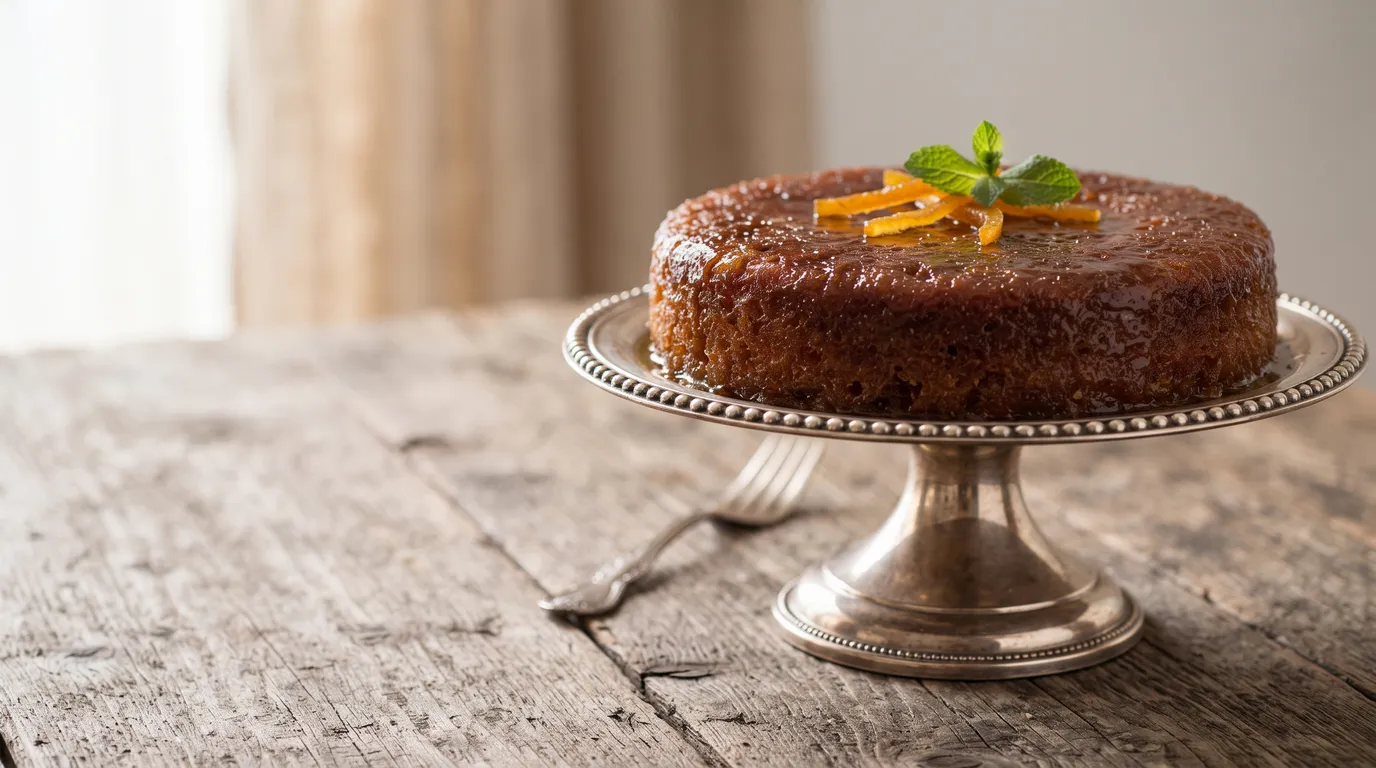
Authentic Greek Orange Cake
This recipe delivers the definitive Greek Orange Cake, an intensely moist, oil-based sponge cake soaked in a fragrant, simple sugar syrup infused with fresh orange zest and juice. Unlike butter cakes, the olive oil guarantees a tender, almost custardy crumb that absorbs the syrup beautifully, creating a dessert that is both comforting and vibrantly citrusy. It is the quintessential, no-fuss Mediterranean sweet treat, perfect for ending a robust meal or accompanying afternoon coffee. This Greek Orange Cake is destined to become a staple in your dessert rotation.
restaurant_menu Ingredients
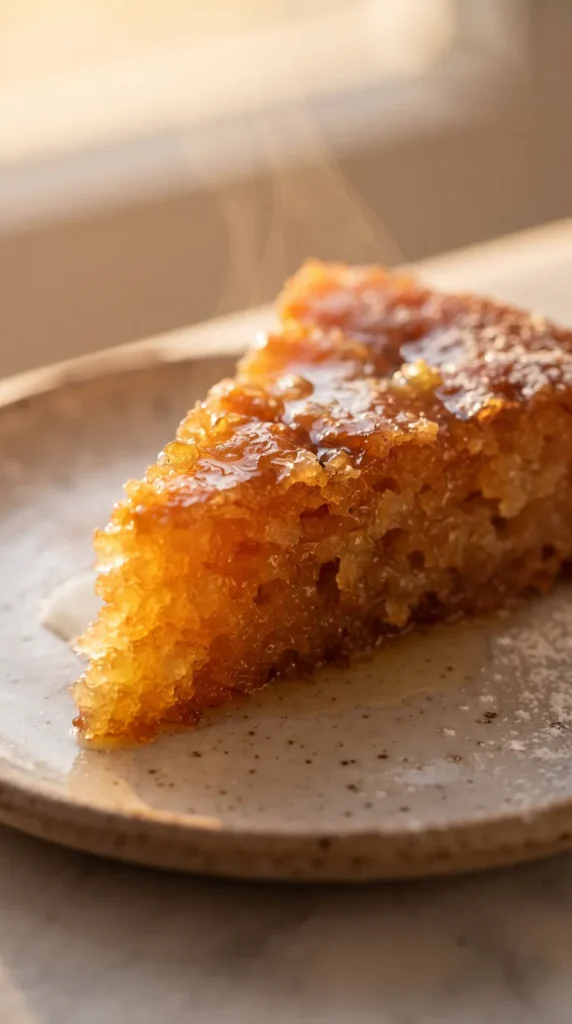
For the Cake Batter
For the Syrup Soak
For Finishing
hardware Essential Tools
9-inch round cake pan
Large mixing bowl
Stand mixer or hand mixer
Whisk
Small saucepan
Wire cooling rack
Rimmed baking sheet
Rubber spatula
Fine-mesh sieve
format_list_numbered Preparation
Cake Batter Preparation
Preheat your oven to 350°F (175°C) and prepare a 9-inch round cake pan by generously oiling and flouring it to ensure a clean release later.
In a medium bowl, whisk together the 2 cups of flour, baking powder, and salt until thoroughly combined and aerated; set this dry mixture aside.
In the bowl of your stand mixer, beat the 3 eggs and 1 1/2 cups of sugar on medium-high speed until the mixture is pale, thick, and ribbon-like, which typically takes about 4 to 5 minutes—this is vital for cake lift.
With the mixer on low, slowly stream in the 1/2 cup of olive oil, followed by the Greek yogurt, 1/4 cup of orange juice, and vanilla extract, mixing just until they are incorporated into the egg base.
Add the reserved dry ingredients to the wet ingredients in three separate additions, mixing on the absolute lowest speed, or folding by hand, stopping immediately once no white streaks of flour remain visible to prevent gluten overdevelopment.
Baking and Syrup Creation
Gently scrape the thick batter into the prepared pan and smooth the top with an offset spatula; bake for 35 to 40 minutes, or until a wooden skewer inserted near the center emerges with only a few moist crumbs attached.
While the cake bakes, create the syrup
combine 1 cup sugar, 1 cup water, 1/2 cup orange juice, and the zest of two oranges in a saucepan, bringing it to a boil, then simmering for 5 minutes until slightly reduced.
Remove the syrup from the heat and allow it to cool completely to room temperature while the cake finishes baking and rests for its initial 10 minutes out of the oven.
After the 10-minute rest in the pan, carefully invert the warm cake onto a wire rack set over a rimmed baking sheet; use a long skewer to poke holes deeply and evenly across the entire warm surface.
Slowly ladle the cool syrup over the warm, punctured cake, ensuring even saturation, then allow the cake to cool completely for at least two hours before dusting with powdered sugar.
favorite You Might Also Love
Browse All arrow_forward
Homemade Pickle Salsa Recipe
Creamy Protein-Packed Chicken Salad Bowl Recipe (Easy)

Chef's Recipe for Irresistible Bacon Rolls

Old-Fashioned Peanut Butter Candy: A Chef's Recipe

Cheesy Ground Beef and Rice Casserole: The Ultimate Comfort Food Recipe
The Ultimate Homemade Pumpkin Pie Recipe with Caramel Pecan Topping
Try These Variations
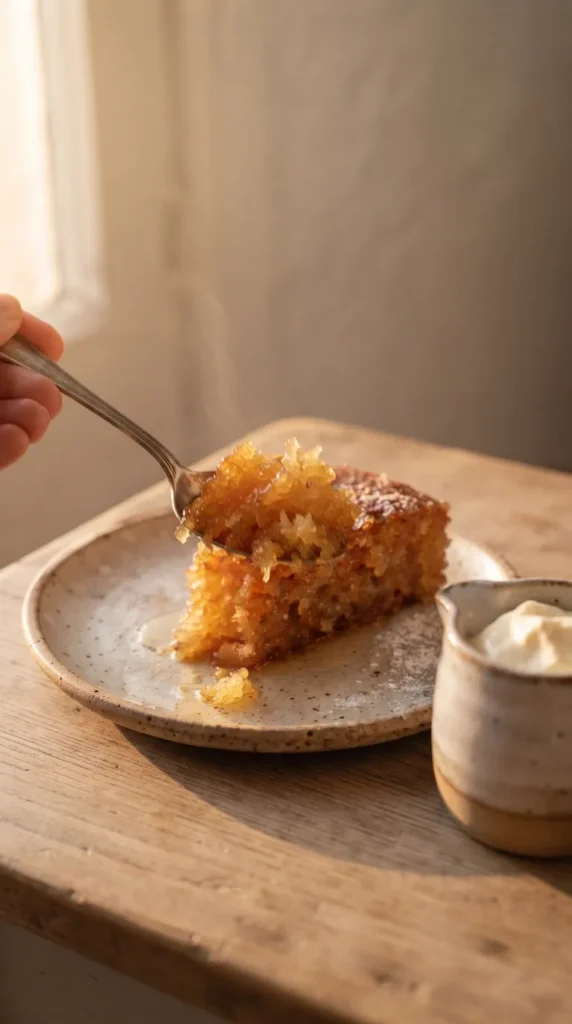
For a truly decadent experience reminiscent of a Chocolate Basque Cheesecake, try infusing the syrup with a single star anise pod during the simmering process; remove the pod before cooling. This adds a subtle, warm licorice note that beautifully complements the bright orange, transforming the standard Greek Orange Cake into something deeply aromatic and complex. Ensure you let the star anise infuse for at least 15 minutes off the heat before removing it completely.
To create a layered, richer texture akin to a Caramel Cake, you can substitute 1/4 cup of the granulated sugar in the batter with dark brown sugar, which introduces molasses notes and aids in moisture retention. Furthermore, instead of only using orange zest in the syrup, add the zest of one lemon as well for a sharper, more pronounced tang that cuts through the sweetness, making the cake feel lighter on the palate.
For a healthier, nut-based alternative, replace 1/2 cup of the all-purpose flour with finely ground almond flour. This substitution will require you to slightly increase the baking time by about 5 minutes, as almond flour absorbs liquid differently, and the resulting texture will be even more tender and slightly denser, moving it toward a revani style cake. Be sure to use full-fat yogurt to compensate for the reduced protein structure.
Chef's Pro Tips
When zesting oranges for this recipe, only use a microplane or fine grater, and take extreme care to avoid grating the white pith underneath the colored peel. The pith contains bitter compounds that are difficult to mask, even with the sugar syrup, and will detract from the pristine flavor profile of your Greek Orange Cake. The zest should look like bright orange confetti, not pale white shavings.
To ensure your syrup achieves that perfect, slightly thick glaze consistency rather than remaining watery, make sure you achieve a full, rolling boil during the 5-minute simmer. Boiling rapidly evaporates excess water, concentrating the sugar molecules. If you use low heat, the water won’t leave efficiently, and the syrup will just soak in without leaving that desirable syrupy sheen on the finished cake.
Temperature control during the final bake is critical for this specific dessert. Because olive oil cakes can brown faster on the edges due to the oil content, if you notice the top browning too quickly before the center is done (around the 25-minute mark), gently tent the cake pan with a sheet of aluminum foil. This acts as a shield, slowing the surface temperature increase while allowing the internal heat to continue setting the crumb structure of your Greek Orange Cake.
If you are making this cake ahead of time, consider adding a splash of orange blossom water (about 1 teaspoon) to the cooled syrup just before pouring. This imparts a delicate, floral perfume that is characteristic of many high-end Greek pastries and adds an extra layer of sophistication to your home version of the Greek Orange Cake.
Storage Guide
Room Temperature Storage
Allow the Greek Orange Cake to cool completely after syruping. Since the syrup acts as a humectant, the cake can safely remain at a cool room temperature (ideally below 70°F) for up to three days. Store it tightly sealed under a cake dome or in an airtight container; resist the urge to refrigerate unless your kitchen is very warm, as refrigeration can prematurely dry out the non-syruped edges.
Refrigerator Storage
If storing for 4 to 5 days, place the cake in an airtight container or wrap it tightly in plastic wrap followed by foil. Before serving, allow the slice to sit on the counter for at least 30 minutes to allow the oils and syrup to soften. Reheating a slice in the microwave for 10-15 seconds can help bring back the initial warmth and tenderness.
Freezing for Long-Term Keeping
This cake freezes exceptionally well, provided you skip the powdered sugar dusting until thawing. Wrap individual slices or the entire cooled cake tightly in two layers of plastic wrap, followed by a layer of heavy-duty aluminum foil to prevent freezer burn. Store for up to two months. Thaw overnight in the refrigerator before bringing to room temperature and finishing with the powdered sugar dusting.
Avoid These Mistakes
✕ Overmixing the batter after the flour has been added is the most frequent cause of a tough, chewy crumb in this dessert. The moment the flour hits the liquid, gluten development begins. Overmixing creates long, strong gluten chains that result in a cake that feels rubbery instead of tender and moist, entirely defeating the purpose of using olive oil to keep the Greek Orange Cake soft.
✕ Pouring hot syrup onto a hot cake, or cold syrup onto a cold cake, results in poor absorption. If both are hot, the syrup tends to pool on top or crystallize quickly upon contact, leaving a grainy, sticky surface layer rather than allowing the liquid to penetrate evenly into the cake matrix. Always utilize the temperature contrast: Warm cake meets cool syrup for maximum saturation.
✕ Using a low-quality, overly pungent olive oil will ruin the delicate balance of flavors. While olive oil is a key component, it should enhance the orange, not taste like salad dressing. Invest in a mild, fruity extra virgin olive oil—Trader Joe’s or a local specialty store often carries excellent, affordable options perfect for baking where the flavor needs to be present but not aggressive.
✕ Failing to poke enough holes in the cake before syruping leads to uneven saturation. If you only poke 5 or 6 holes, the syrup will pool in those spots, creating overly wet pockets next to dry, crumbly sections. Aim for at least 15-20 deep, evenly spaced punctures across the entire surface to ensure the entire Greek Orange Cake benefits from the moisture.
nutrition Nutrition Facts
Per serving: 1 slice (1/10th cake)
Nutritional information is an estimate based on the ingredients listed and standard portion size.
flag Conclusion
This Greek Orange Cake is more than just a dessert; it is a bright, aromatic journey that proves simple ingredients, handled with care, result in extraordinary flavor. It stands shoulder-to-shoulder with complex layered desserts, yet it demands far less fuss. Whether you serve a simple slice after dinner or present it as a showstopper at a brunch gathering, its vibrant citrus notes and unparalleled moisture will win everyone over. Go ahead, infuse your kitchen with the scent of the Greek Isles—you’ve earned this taste of sunshine. Happy baking from my kitchen to yours!
sell Related Topics
Frequently Asked Questions
What is the difference between this Greek Orange Cake and a standard American orange cake? expand_more
The primary difference lies in the fat source and the soaking technique. A standard American orange cake often relies on butter for richness and is topped with a buttercream or glaze made with confectioners' sugar and milk/juice. Our Greek Orange Cake utilizes olive oil for a distinct fruity undertone and relies on a thin, hot sugar syrup poured over a warm cake base. This soaking process saturates the interior crumb, making it intensely moist and flavorful from the inside out, unlike surface-glazed American versions. It's a foundational difference in texture and flavor profile that defines this classic Mediterranean dessert.
Can I substitute the olive oil with melted butter for a less intense flavor? expand_more
You absolutely can substitute with melted, unsalted butter if you prefer a more traditional butter cake flavor, but you will lose the signature Mediterranean character of the Greek Orange Cake. If you substitute, use 1/2 cup of melted butter for the 1/2 cup of olive oil. However, the texture will also change slightly; butter solids can sometimes lead to a slightly less tender crumb compared to the liquid fat provided by olive oil. If you use butter, ensure it is cooled slightly before adding to the eggs and yogurt so it doesn't scramble the eggs.
My cake seems spongy after adding the syrup. What went wrong? expand_more
This spongy texture is almost always a temperature mismatch issue during the syrup application. If you pour a cold or room-temperature syrup over a cake that has cooled completely, the syrup sits more on the surface, leading to a gummy or spongy exterior rather than being fully absorbed into the structure. For optimal absorption, the cake must be warm (freshly out of the oven after a brief 10-minute rest), and the syrup must be cool or room temperature. This thermal shock encourages the pores of the warm cake to draw the liquid deep inside, resulting in the desired dense, moist Greek Orange Cake crumb.
I want to serve this for a holiday. How can I make it more festive? expand_more
To elevate your Greek Orange Cake for a special occasion, focus on presentation and subtle spice additions. Before baking, consider adding 1/2 teaspoon of ground cinnamon and a tiny pinch of ground cloves to your dry ingredients; these spices pair beautifully with orange. For plating, instead of just powdered sugar, try creating a light glaze using 1 cup of powdered sugar mixed with just 2 tablespoons of orange juice until smooth, then drizzle it artfully over the completely cooled, unsyruped cake. Garnish with candied orange slices or segments of blood orange for visual drama. This looks spectacular next to something festive like a Strawberry Tres Leches Cake.
Are there any savory applications or related dishes I should try? expand_more
While this dessert is strictly sweet, the flavor profile of orange and olive oil is common in savory Greek cooking! If you enjoyed the brightness of this dessert, I highly recommend exploring savory applications that utilize similar components. Look up a recipe for Greek Style Roasted Lemon potatoes or chicken, which uses lemon juice and olive oil to create a bright, tangy crust. Similarly, if you enjoy baking savory breads, exploring a recipe for German Potato Pancakes gives you insight into pan-frying techniques, though the flavor profiles are worlds apart. These related dishes share a common thread of using simple, high-quality fats and bright acidity to enhance the main ingredient.
More Recipes You'll Love

Mastering Fluffy Scrambled Eggs: Chef Secrets Revealed
Artisan Cheddar Cheese Quick Bread Mastery
Gluten-Free Desserts Recipe (Decadent & Easy)

Community Kitchen