Mastering Ultimate Caesar Chicken With Asparagus Recipe
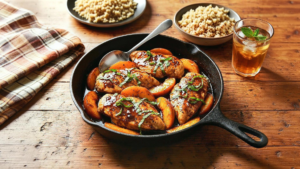
This Ultimate Caesar Chicken With Asparagus Recipe transforms a simple weeknight meal into a culinary event. By using a rich Caesar-inspired coating, we lock in moisture while developing a deeply savory, umami-rich crust on the chicken. The accompanying asparagus roasts alongside, achieving perfect crispness to contrast the tender meat. It’s fast, flavorful, and proves that gourmet results don’t require hours of labor—a perfect 45-minute centerpiece for any American table.
restaurant_menu Ingredients
For the Chicken and Coating
For the Asparagus
hardware Essential Tools
Oven-safe skillet (cast iron preferred)
Meat mallet or rolling pin
Medium mixing bowl
Whisk
Baking sheet
Instant-read thermometer
Tongs
format_list_numbered Preparation
Preparation and Coating
Preheat your oven to 400°F (200°C) and prepare a large baking sheet for the asparagus. If your chicken breasts are thick, pound them gently between plastic wrap to an even 3/4-inch thickness to ensure uniform cooking for this Ultimate Caesar Chicken With Asparagus Recipe. In a medium bowl, thoroughly whisk the mayonnaise, Dijon mustard, anchovy paste, minced garlic, oregano, 1/4 cup Parmesan, and black pepper until the mixture is completely smooth and emulsified. This forms the flavorful binder for the crust.
Searing and Roasting
Heat the high-heat oil in your oven-safe skillet over medium-high heat until it just begins to shimmer—this is crucial for initiating the sear. Carefully dredge each chicken piece in the Caesar coating, ensuring a thin, even layer adheres, and place them in the hot skillet, ensuring they do not touch. Sear undisturbed for 4 to 5 minutes until a deep, mahogany-brown crust develops; this is the Maillard reaction at work, creating foundational flavor. Flip the chicken and immediately transfer the entire skillet into the preheated 400°F oven. While the chicken sears, toss the trimmed asparagus with olive oil, salt, and pepper on the baking sheet and place it in the oven alongside the chicken.
Finishing and Resting
Bake the chicken for 10 to 12 minutes, rotating the pan halfway through, until an internal temperature of 165°F (74°C) is recorded in the thickest part of the breast. The asparagus should be fork-tender with slightly caramelized tips after about 10-12 minutes total. Remove both from the oven; transfer the chicken to a clean cutting board and let it rest tented loosely with foil for a full 5 minutes—this resting period allows the muscle fibers to relax and reabsorb the juices, preventing dryness. Finish the asparagus by tossing it with a generous squeeze of fresh lemon juice and an extra sprinkle of Parmesan before plating alongside the rested chicken for your finished Ultimate Caesar Chicken With Asparagus Recipe.
favorite You Might Also Love
Browse All arrow_forward



Try These Variations
For a textural twist reminiscent of a savory casserole, try turning this into a Chicken Bubble Biscuit Bake variation. After searing the chicken and setting it aside, skip the oven finish. Instead, layer the bottom of a casserole dish with the seared chicken pieces, top generously with the Caesar coating mixture, and then cover everything with balls of refrigerated biscuit dough (like Pillsbury Grands). Bake at 375°F (190°C) until the biscuits are puffed and golden brown, about 20-25 minutes. This variation absorbs the sauce beautifully, creating a comforting, pull-apart meal perfect for a crowd. You would serve the asparagus fresh or lightly steamed on the side, as the bake time is different.
To create a lighter, brighter profile, transform this into a ‘Lemon Herb’ version, moving slightly away from heavy Caesar notes. Omit the mayonnaise and anchovy paste entirely. Instead, use 1/4 cup of olive oil mixed with 1/4 cup of plain Greek yogurt, the zest of one full lemon, 1 tablespoon of fresh chopped parsley, 1 tablespoon of dried dill, and 1 teaspoon of garlic powder. Use this mixture to coat the chicken before searing. Roast the asparagus as directed, but add cherry tomatoes and thinly sliced shallots to the pan for added sweetness and acidity. This variation offers a fresher, tangier flavor profile suitable for warmer weather dining.
If you want a heartier, more robust main course, consider adding a starch element directly to the pan before the oven finish. After searing and flipping the chicken, nestle 1 cup of dried orzo pasta around the chicken in the skillet. Add 1 cup of low-sodium chicken broth to the pan, ensuring the liquid mostly covers the orzo. Transfer to the oven. The orzo will absorb the broth and the Caesar flavors as the chicken cooks, creating a creamy, one-pan risotto-style base for your chicken. Make sure to stir the orzo halfway through the oven time to prevent sticking to the bottom of the skillet. This adaptation is incredibly satisfying and reduces cleanup significantly, creating a complete meal in one vessel.
Chef's Pro Tips
The secret to a truly savory Caesar flavor without overwhelming saltiness lies in the balance of acid and umami. When incorporating the anchovy paste, ensure you whisk it into the mayonnaise base thoroughly—the fat molecules in the mayo help to disperse the intense flavor components evenly. If you taste the raw mixture and it seems too sharp, combat that with a small pinch of sugar (just 1/4 teaspoon) to round out the high acidity from the Dijon and lemon notes, resulting in a smoother, more complex profile for your Ultimate Caesar Chicken With Asparagus Recipe.
When pounding your chicken, use plastic wrap on both sides of the breast and work from the thickest part outward, rotating the breast slightly with each tap. This physical manipulation breaks down some of the muscle fibers, which results in a more tender final product, regardless of cooking time. This is a technique I learned early on in Paris; uneven thickness leads to uneven protein denaturation, which equals dry spots. Aim for consistency above all else.
For the ultimate sear, use a thermometer to verify your oil temperature. For most neutral oils, you are looking for 350°F to 375°F (175°C to 190°C) just before the chicken goes in. If the oil smokes heavily, it’s too hot and will burn the coating before the interior even warms up. If it barely ripples, it’s too cool, and the chicken will absorb too much oil, leading to a greasy crust rather than a crisp one. The visual shimmer is the best indicator, but temperature control is the professional’s edge.
Always finish the asparagus with fresh lemon zest right before serving. Roasting concentrates sugars and deepens flavors, but it can mute the brighter, volatile aromatics. The raw lemon zest introduces those high notes back into the dish, providing a necessary counterpoint to the rich, salty Caesar coating on the chicken. Think of it as the bright high-hat cymbal in a great jazz solo—it defines the rhythm of the flavor profile.
Storage Guide
Room Temperature
Do not leave cooked chicken at room temperature for more than two hours, as this enters the temperature danger zone (40°F to 140°F) where bacteria multiply rapidly. This dish is not suitable for long-term storage on the counter; always refrigerate promptly after the 5-minute rest period is complete.
Refrigerator
For the best texture retention, store the chicken and asparagus in separate, shallow, airtight glass containers. Glass is superior to plastic for preventing flavor transfer and moisture retention. When stored correctly, the leftovers from your Ultimate Caesar Chicken With Asparagus Recipe will maintain quality for up to 3 days. Keep the dressing coating intact; do not try to scrape it off before storing.
Freezer
Freezing this dish is possible but not ideal due to the mayonnaise-based coating, which can sometimes separate or become grainy upon thawing. If you must freeze, wrap the cooled chicken tightly in plastic wrap, then aluminum foil, and place it in a freezer-safe zip-top bag, squeezing out all air. Freeze for up to one month. Thaw overnight in the refrigerator before reheating gently in a 300°F (150°C) oven.
Avoid These Mistakes
✕ One of the most frequent errors when preparing the Ultimate Caesar Chicken With Asparagus Recipe is insufficient seasoning of the asparagus before roasting. Home cooks often rely solely on the saltiness migrating from the chicken or the Parmesan garnish, but asparagus requires direct seasoning to develop its flavor profile against the intense Caesar coating. To avoid this bland side, ensure you toss the spears liberally with olive oil, salt, and pepper *before* they hit the heat. The oil helps the salt adhere, and the heat caramelizes the natural sugars, transforming a grassy vegetable into a deeply savory side dish.
✕ Another major pitfall is rushing the sear. Many home cooks place the chicken in the pan and immediately start moving it around, trying to check for browning. This stops the Maillard reaction—the chemical process between amino acids and reducing sugars that creates hundreds of desirable flavor compounds and the beautiful brown color. You must leave the chicken completely untouched for the full 4 to 5 minutes until a natural, deep crust releases easily from the pan surface. If it sticks, it’s not ready to flip; forcing it will tear the crust you worked so hard to build.
✕ Overbaking the chicken is the nemesis of tenderness. Because we pound the chicken thin, the cooking time in the 400°F oven is relatively short (10-12 minutes). Relying solely on time rather than an instant-read thermometer is risky. Proteins tighten up significantly past 160°F (71°C), and by the time the center hits 170°F (77°C), the exterior will be dry and tough. Pull the chicken immediately when the thermometer reads 160°F, knowing that carryover cooking while resting will bring it safely to 165°F (74°C).
nutrition Nutrition Facts
Per serving: 1 serving (1 chicken breast, 1/4 lb asparagus)
This dish is high in protein, making it excellent for muscle maintenance and satiety. The asparagus provides significant Vitamin K and folate.
flag Conclusion
There you have it—a robust, deeply flavorful main course that proves efficiency doesn’t sacrifice quality. The Ultimate Caesar Chicken With Asparagus Recipe is now a staple in my home rotation, and I guarantee it will become one in yours. Remember, cooking is about confidence; trust your pan temperature, honor the resting time, and don’t be afraid of that anchovy paste! It’s the secret handshake to authentic Caesar flavor. Go ahead, bring this restaurant-caliber dish to your own dining room table tonight, and enjoy the pride of serving something truly spectacular.
We encourage you to personalize this masterpiece and share your results with the HomeRecipes community. Happy cooking!
sell Related Topics
Frequently Asked Questions
Why is the anchovy paste essential if I don't like the taste of anchovies? expand_more
This is a common concern, but trust me, the anchovy paste is the backbone of true Caesar flavor, not the dominant taste. When the paste is heated and emulsified into the fat of the mayonnaise and oil, the proteins break down, releasing glutamates—the molecules responsible for umami, or savory depth. What you taste is rich, salty, savory complexity, not fishiness. Omitting it leaves the sauce tasting flat and overly sharp from the Dijon and lemon alone. It’s the difference between a good Caesar coating and the Ultimate Caesar Chicken With Asparagus Recipe coating.
Can I use chicken thighs instead of breasts for this recipe? expand_more
Absolutely, chicken thighs are often more forgiving because they have a higher fat content, making them very difficult to overcook. If using boneless, skinless thighs, you will need to adjust the cooking time slightly. Since they are naturally thinner and more irregular than breasts, you may skip the pounding step. However, because they are fattier, you may need to wipe out some rendered fat from the skillet before transferring them to the 400°F (200°C) oven, and they might require an extra 3-5 minutes of oven time to reach 165°F internally. The result will be even juicier.
How can I make this dish ahead of time for entertaining? expand_more
For entertaining, you want everything pristine right before serving. I suggest preparing the Caesar coating up to 2 days in advance and storing it covered in the refrigerator. Trim and blanch the asparagus for 1 minute in boiling salted water, then immediately plunge it into an ice bath to stop the cooking and lock in the bright green color. Dry it completely. When guests arrive, toss the raw chicken in the coating, sear, and bake as directed. Toss the blanched asparagus with oil and roast for only 5-7 minutes at the end—just long enough to heat through and get slight charring. This cuts your active cooking time during the party significantly.
What is the best way to ensure the Parmesan cheese melts nicely into the coating? expand_more
The quality of your Parmesan makes a huge difference here. Pre-grated cheese often contains anti-caking agents like cellulose, which prevents it from melting smoothly and can result in a slightly gritty texture in your coating. For the best results in the Ultimate Caesar Chicken With Asparagus Recipe, purchase a wedge of genuine Parmigiano-Reggiano and grate it yourself using the finest side of your box grater or a microplane. Freshly grated cheese has higher moisture and fat content, allowing it to melt seamlessly into the mayonnaise base, creating a cohesive, rich binder that browns beautifully in the oven.
My asparagus is thin; how should I adjust the roasting time? expand_more
Thin asparagus spears, often found earlier in the season or from certain grocery suppliers, cook much faster than thick ones. If your spears are pencil-thin, they might only need 6 to 8 minutes in the 400°F (200°C) oven. Since the chicken needs about 10-12 minutes in the oven, keep the chicken in for the full time, but only add the thin asparagus during the last 5 to 7 minutes of the chicken's bake time. This staggered approach ensures both components finish cooking simultaneously without the delicate spears turning mushy or overly charred.
More Recipes You'll Love
Diced Chicken Breast Recipe (Stovetop Perfection)
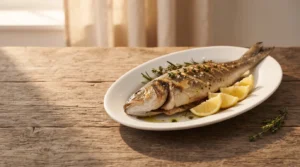
Branzino Fish Recipe (Perfectly Roasted Whole)

Savory Tater Tot and Bacon Breakfast Casserole Recipe
Community Kitchen