Mastering Rich Homemade Spaghetti Sauce and Noodles
This is the definitive American Homemade Spaghetti recipe, taking humble ingredients and transforming them through masterful technique. We focus on achieving that deep, savory umami by properly searing the lean ground beef and blooming our Italian seasonings in the residual fat. The resulting sauce is thick, clinging beautifully to every strand of perfectly al dente pasta, offering unparalleled comfort and flavor development that surpasses quick weeknight versions. It’s robust, deeply satisfying, and destined to become your family’s go-to comfort meal.
restaurant_menu Ingredients
The Meat Sauce Foundation
The Pasta
For Finishing
hardware Essential Tools
Large, heavy-bottomed Dutch oven or pot
Wooden spoon or sturdy spatula
Large pot for boiling pasta
Colander or fine-mesh sieve
Measuring cups and spoons
Sharp knife and cutting board
format_list_numbered Preparation
Building the Flavor Base
In your Dutch oven over medium-high heat, warm the olive oil until it shimmers. Add the finely diced onion and sauté until translucent and softened, about 6 to 7 minutes, ensuring they don't brown yet. Reduce heat slightly if they begin to color too quickly.Add the 1 pound of lean ground beef, breaking it up immediately with your spoon. Cook until the meat is thoroughly browned and all the moisture has evaporated, listening for the sound to shift from a wet sizzle to a dry fry—this concentrates the beef flavor.Drain off any excessive rendered fat, leaving just a thin layer behind for flavor.
Seasoning and Simmering
Reduce the heat to medium. Sprinkle the Italian seasoning, garlic powder, salt, and pepper directly over the browned meat. Stir constantly for 60 seconds to bloom the spices in the residual fat, releasing their volatile oils.Add the freshly minced garlic and cook for exactly 30 seconds until highly fragrant; be careful not to scorch it.Pour in the 3 cups of water (or broth) and the entire jar of spaghetti sauce, along with the optional diced tomatoes. Bring the mixture to a full boil, then immediately reduce the heat to the lowest setting, cover partially, and let the sauce gently simmer for a minimum of 45 minutes, stirring every 15 minutes to prevent sticking.
Pasta Completion and Marriage
About 15 minutes before the sauce finishes, bring a very large pot of heavily salted water to a rolling boil. Add the 16 ounces of spaghetti noodles and cook until perfectly al dente—tender but with a firm bite—testing one minute before the package suggests.Crucially, before draining, reserve at least 1 cup of the cloudy, starchy pasta water. Drain the noodles quickly and return them to their empty, hot pot.Ladle about 1 cup of the finished sauce over the drained pasta. Toss vigorously over low heat, adding splashes of the reserved pasta water as needed until the sauce emulsifies and creates a glossy, clinging coating around every strand of your Homemade Spaghetti.
favorite You Might Also Love
Browse All arrow_forwardSlow Cooker Potato Broccoli Cheddar Comfort Bowl
Ultimate Sheet Pan Parmesan Chicken Dinner Recipe
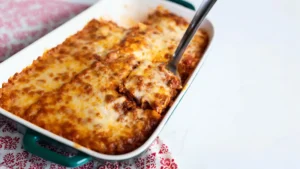
Million Dollar Spaghetti Recipe (Creamy Baked Casserole)
Layered Comfort: The Ultimate Ravioli Lasagna Recipe
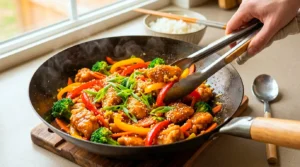
Spicy Chicken Stir-Fry Recipe (Quick & Flavorful)

Corned Beef Reuben Bake Recipe (Comfort Casserole)
Try These Variations
Creamy Chicken Spaghetti Casserole Adaptation
While this is a classic tomato sauce, you can transform this flavor base into a creamy casserole. After simmering the sauce for 45 minutes, stir in 1 cup of heavy cream and 4 ounces of cream cheese until smooth. Cook the spaghetti slightly less than al dente (about 8 minutes). Toss the pasta with the cream sauce, 1 cup shredded cooked chicken (rotisserie works perfectly), and transfer to a 9×13 inch baking dish. Top with 1 cup shredded cheddar and bake at 375°F (190°C) for 20 minutes until bubbly and golden brown. This variation provides a completely different, yet equally comforting, experience from traditional Homemade Spaghetti.
California Spaghetti Salad 2 Influence
For a cold, picnic-ready pasta salad, skip the simmering entirely. Cook the spaghetti until just tender, drain, and immediately toss with 1 tablespoon of olive oil to prevent sticking. Instead of using the full jar of sauce, use only half, and mix it with 1/2 cup mayonnaise and 1/4 cup distilled white vinegar. Fold in 1 cup of frozen peas (thawed), 1/2 cup celery, and 1/4 cup chopped red onion. Chill for at least 4 hours to allow the flavors to meld into a tangy, satisfying salad that feels miles away from hot Homemade Spaghetti.
Vegetarian Umami Bomb
To replace the richness of the beef, sauté 16 ounces of finely chopped cremini and shiitake mushrooms with the onions until they have released all their moisture and are deeply browned. Add 2 tablespoons of tomato paste and cook for 2 minutes until it darkens slightly (pincage). Proceed with the recipe as written. This creates an incredibly savory, earthy sauce that rivals the depth of the meat version.
Spicy Kick
For those who like heat in their Homemade Spaghetti, incorporate 1/2 teaspoon of crushed red pepper flakes along with the dry seasonings during the blooming stage. If you prefer a slow, creeping heat, stir in 1 teaspoon of Calabrian chili paste into the sauce during the last 15 minutes of simmering.
Chef's Pro Tips
When browning the ground beef, resist the temptation to stir it constantly. Allow patches of the meat to sit undisturbed on the hot surface of the Dutch oven for 2-3 minutes at a time. This direct, high heat contact is what creates the deep, complex, nutty flavor compounds of the Maillard reaction, which is foundational to any great meat sauce, including this Homemade Spaghetti.
The quality of your jarred sauce matters immensely. Think of the jarred sauce as the canvas, not the finished painting. Look for brands that list tomatoes first, followed by herbs, and ideally contain minimal added sugar. If your sauce tastes too acidic coming out of the jar, counter it by adding 1/2 teaspoon of baking soda—it neutralizes harsh acidity without adding the sweetness of sugar, preserving the savory profile.
Always season your pasta water as if you were making soup. It should taste noticeably salty—like the ocean. While the pasta absorbs this salt, it seasons the starch itself, providing an internal layer of seasoning that no amount of sauce can replicate later. This is crucial for achieving well-balanced Homemade Spaghetti where the noodle doesn’t taste bland against the rich sauce.
When you finish the dish by tossing the pasta with the sauce and pasta water, do this off the direct heat source but while the pot is still warm. The residual heat is enough to thicken the sauce via the starch emulsification without continuing to cook the pasta, which would lead to a soft, mushy texture rather than that perfect al dente bite.
Storage Guide
Refrigerator Storage
For best results, store the sauce and the cooked spaghetti noodles separately in airtight containers (glass containers are superior for preventing flavor transfer) in the main compartment of your refrigerator. The sauce will hold its peak flavor for up to 5 days, while the noodles should be consumed within 3 days to maintain optimal texture. Ensure both components are fully cooled to room temperature before sealing to prevent condensation buildup, which can promote spoilage.
Freezing the Sauce
The concentrated meat sauce freezes exceptionally well, making it perfect for batch cooking. Transfer cooled sauce into heavy-duty freezer-safe zip-top bags, pressing out as much air as possible before sealing, and lay them flat on a baking sheet until frozen solid. This method saves space and ensures even thawing. Frozen sauce maintains excellent quality for three months; for reheating, thaw overnight in the refrigerator and then gently simmer on the stovetop.
Reheating the Complete Dish
If you must reheat the pasta and sauce together, use a large, non-stick skillet over medium-low heat. Add a tablespoon of water or broth (not oil) to the pan before adding the cold pasta mixture. Stir continuously for 8 to 12 minutes. The added moisture prevents the pasta from sticking to the pan while the low heat gently warms the noodles without turning them gummy, preserving the integrity of your Homemade Spaghetti.
Avoid These Mistakes
✕ Adding the sauce jar immediately after browning the meat without cooking down the moisture first is a recipe for a thin, insipid sauce. The liquid trapped in the beef must be driven off through evaporation first; otherwise, you are simply diluting the flavor potential of your seasonings and the jarred sauce, resulting in a watery Homemade Spaghetti that runs off the noodles.
✕ Failing to bloom the dried spices (Italian seasoning and garlic powder) is a major culinary oversight. These spices contain essential oils that are locked away when cold. By gently heating them in the fat for 60 seconds before adding liquid, you physically expand the molecules, allowing them to disperse their flavor throughout the entire sauce base, resulting in a much more aromatic and integrated flavor profile for your dish.
✕ Overcooking the spaghetti noodles is perhaps the most common sin when preparing Homemade Spaghetti. If the noodles are fully cooked when drained, the subsequent tossing with hot sauce and starchy water will push them past al dente into mush territory. Always pull them 1-2 minutes early; the residual heat in the pot and the starch absorption will finish the cooking process perfectly, maintaining that desirable chewiness.
✕ Using the wrong type of pot is detrimental to long simmers. A thin-bottomed standard saucepan will create hot spots, leading to scorching on the bottom while the top layer remains undercooked. Always use a heavy-bottomed Dutch oven or a quality stainless steel pot. This ensures gentle, even heat transfer across the entire base, preventing those burnt, bitter flavors from creeping into your beautiful sauce.
nutrition Nutrition Facts
Per serving: 1.5 cups of sauced pasta
This calculation is an estimate based on 1 pound of 90/10 beef and standard jarred sauce. Adjustments will occur based on specific brands used.
flag Conclusion
There you have it—a truly masterful approach to a classic American staple. This Homemade Spaghetti recipe is more than just sustenance; it’s an experience built on respecting the ingredients and understanding simple culinary physics. Don’t let the 60-minute simmer intimidate you; that time is where the magic happens, transforming simple pantry items into a sauce that sings. I encourage you to make this tonight, taste the difference that attention to detail brings, and take pride in serving a dish that tastes like it came straight from a beloved neighborhood Italian spot. Happy cooking, and we’ll see you next time here at HomeRecipes.com!
Frequently Asked Questions
Why is my Homemade Spaghetti sauce watery even after simmering? expand_more
A watery sauce, despite long simmering, usually points to one of two culprits: insufficient evaporation or too much added liquid initially. If you did not properly brown and dry out the ground beef before adding the sauce jar and water, you introduced too much moisture right away. Furthermore, if you skipped the step of reserving and adding starchy pasta water at the end, you missed the emulsification opportunity. The starch binds the water and fat together into a cohesive sauce. Next time, ensure your beef is deeply browned and allow the sauce to simmer partially covered for the last 30 minutes to encourage evaporation.
Can I substitute the ground beef for another protein in this Homemade Spaghetti recipe? expand_more
Absolutely! While beef provides that classic American flavor profile, this sauce structure is incredibly forgiving. For a lighter take, use ground turkey (93% lean or higher). However, turkey lacks the deep savory character of beef, so I highly recommend adding 1 teaspoon of Worcestershire sauce (ensure it is alcohol-free if necessary, or use mushroom soy sauce as an alternative) and perhaps 1/2 teaspoon of smoked paprika to boost the umami. Ground chicken works similarly. If you are aiming for a vegetarian version, substitute the meat with finely chopped mushrooms and lentils, ensuring you deeply brown them to mimic the meaty texture.
What is the purpose of adding garlic powder AND fresh garlic? expand_more
This is a classic chef technique for layering flavor complexity. The fresh minced garlic provides a sharp, pungent, immediate burst of allicin flavor that hits the palate first. The garlic powder, on the other hand, is less volatile. When heated and simmered for an hour, it breaks down and provides a mellow, background, savory garlic essence that permeates the entire sauce. Think of it as giving you immediate flavor impact plus slow-release aromatic depth in your Homemade Spaghetti.
My pasta always sticks together after draining. How do I prevent this? expand_more
The biggest mistake people make is rinsing the pasta after draining. Never rinse standard dried pasta unless you are making a cold dish like a Creamy Pasta Salad! Rinsing washes away the surface starch that helps the sauce adhere. The correct technique involves cooking the pasta until perfectly al dente, draining quickly, and immediately tossing it with a small amount of the sauce and a splash of the reserved starchy pasta water in the hot pot. The residual heat and starch create a light, non-sticky coating, even before the main sauce is added. If you are making a dish like California Spaghetti Salad 2, oiling it lightly is necessary, but for hot Homemade Spaghetti, starch is your friend.
Can I make this recipe ahead of time for a crowd? expand_more
Yes, and I highly recommend it! Sauce always tastes better the next day. Cook the sauce completely, allowing it to cool fully before refrigerating or freezing. When ready to serve a large crowd, reheat the sauce gently on the stovetop. Cook your 16 ounces of spaghetti noodles *just* shy of al dente (about 9 minutes instead of 10). Drain and immediately transfer the noodles to a very large pot or serving vessel. Ladle the hot sauce over the noodles, toss with a few splashes of hot water, and serve immediately. This prevents the pasta from overcooking while waiting for guests.
More Recipes You'll Love
Golden-Crusted Crispy Chicken Fritters
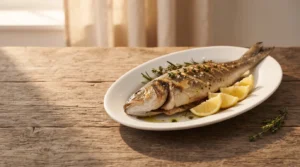
Branzino Fish Recipe (Perfectly Roasted Whole)
Diced Chicken Breast Recipe (Stovetop Perfection)
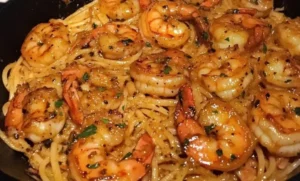
Garlic Butter Shrimp Pasta: A Quick and Delicious Recipe
Hearty Slow Cooker Amish Chicken Chowder
Community Kitchen