Simple. Tasty. From Our Home to Yours. Browse all recipes

Simple. Tasty. From Our Home to Yours. Browse all recipes

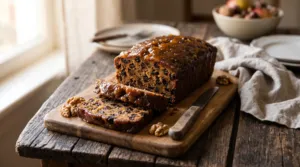
This is the ultimate rich and tangy treat! We blend bright lemon cake batter with a thick, luxurious cream cheese filling to create a stunning, moist loaf that requires no fuss.
Standard 9x5-inch loaf pan
Parchment paper
Stand mixer or hand mixer
Large mixing bowl
Medium mixing bowl
Rubber spatula
Wire cooling rack
Microplane zester
Preheat your oven to 350°F (175°C) and prepare a 9x5-inch loaf pan by greasing it thoroughly and lining the long sides with a parchment paper sling for easy removal
In a small bowl, beat the softened cream cheese until completely smooth, then gradually beat in the 1/2 cup of powdered sugar until the mixture is light, creamy, and holds its shape well
Pour exactly half of the prepared lemon batter into the bottom of the loaf pan, spreading it gently to cover the base
Replace the powdered sugar in the swirl with light brown sugar for a deeper, molasses note
Once fully cooled, whisk 1 cup powdered sugar with 3 tablespoons lemon juice until smooth and drizzle generously over the top of the finished lemon cream cheese bread
Substitute half the lemon zest and juice with fresh orange zest and juice for a bright citrus blend
Fold 1/2 cup of toasted pecans or walnuts into the final batter layer just before swirling the cream cheese
Always ensure your cream cheese is truly soft, but not melted. Cold cream cheese will create lumps in your swirl that won’t bake out evenly
For the most intense lemon flavor in the cake itself, rub the zest into the sugar with your fingertips before adding the wet ingredients—this releases the oils beautifully
To achieve that perfect, even dome on your loaf, ensure your oven rack is perfectly centered and avoid opening the door until at least the 55-minute mark
If you want an extra layer of flavor, brush the top of the warm loaf (after 15 minutes of cooling) with melted butter mixed with a teaspoon of lemon juice before fully cooling it on the rack
Store tightly wrapped in plastic wrap at room temperature for up to 2 days, avoiding high humidity areas
Wrap tightly in plastic wrap and foil, refrigerate for up to 5 days. Allow to come to room temperature before serving for the best texture
Wrap individual slices tightly in plastic wrap, then in aluminum foil or a freezer bag; freeze for up to 3 months. Thaw overnight on the counter
Per serving: 1 thick slice
Nutritional information is an estimate based on 10 servings and full-fat dairy.
This incredible lemon cream cheese bread is proof that sometimes the simplest recipes yield the most profound results. It balances tartness, sweetness, and richness in a way that few desserts can match. Take pride in this bake; it is a masterpiece of contrast and comfort. Make this lemon cream cheese bread your signature weekend treat!
If the cream cheese swirl mixture is too runny, it will sink into the batter and disappear. This usually means your cream cheese was too warm or you added too much liquid. To fix this, incorporate another 1 to 2 tablespoons of powdered sugar into the swirl mixture and beat until it firms up to a thick, pipeable consistency that can hold its shape against the batter.
The primary indicator is the wooden skewer test. Insert a long, thin wooden skewer or toothpick deep into the center of the loaf, avoiding the cream cheese swirl if possible. If it comes out with wet batter, it needs more time. If it comes out clean or with just a few dry crumbs clinging to it, it is done. For dense loaves, an instant-read thermometer should register 205°F (96°C).
The best substitute that maintains moisture and tenderness is plain, full-fat Greek yogurt. Use an equal amount (8 ounces). If you only have regular plain yogurt, strain it through a coffee filter or cheesecloth for at least an hour to remove excess liquid, bringing it closer in consistency to sour cream before using it in your lemon cream cheese bread batter.
I strongly advise against substituting fresh lemon juice with lemon extract in this recipe. Extract is highly concentrated flavor, and using the amount of juice called for will result in an overwhelmingly artificial, bitter taste. The fresh juice provides necessary liquid and a balanced tartness that extract cannot replicate. You must use the zest, however, as it provides the essential aromatic oils.
A slight crack is normal and often desirable in quick breads, indicating good oven spring. However, excessive cracking usually means the exterior is setting too quickly before the interior has fully risen. Reduce your oven temperature by 25°F (about 15°C) for the second half of the bake, and ensure you are tenting with foil promptly when the top reaches a deep golden color. This gentle approach allows the loaf to rise more evenly.
No items yet. Click "Add All" or use + buttons!
Community Kitchen