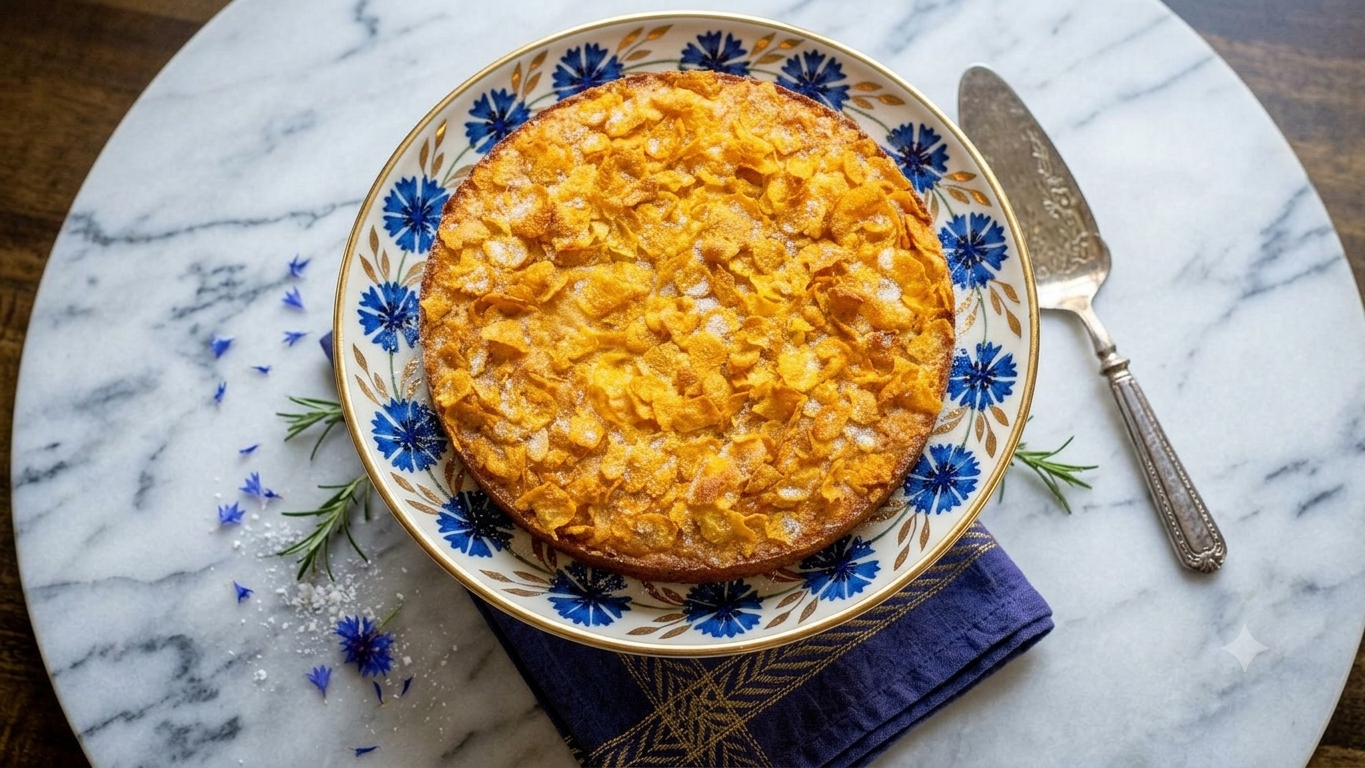
Cornflake Cakes Recipe (Golden Crunch)
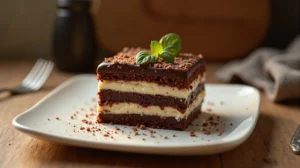
Indulge in this delightful cornflake cake, a beloved classic reimagined with a chef's touch. This recipe yields a beautifully moist and tender cake, enriched with the subtle sweetness of cornmeal and crowned with a golden, crunchy layer of cornflakes and demerara sugar. It's a comforting treat that evokes nostalgia while offering a sophisticated texture, perfect for breakfast, an afternoon snack, or a light dessert. Experience the simple joy of transforming humble ingredients into a culinary masterpiece.
restaurant_menu Ingredients
Main Cake Ingredients
Topping
hardware Essential Tools
9-inch springform pan
Large mixing bowl
Medium mixing bowl
Whisk
Rubber spatula
Hand mixer (optional)
Wire cooling rack
Wooden skewer or toothpick
format_list_numbered Preparation
Baking the Cornflake Cake
Preheat your oven to 375°F (190°C) and thoroughly grease a 9-inch springform pan, optionally dusting with a little flour.
In a large bowl, beat the melted butter and white sugar together until the mixture is light, fluffy, and pale in color.
Add the room-temperature eggs one at a time, beating well after each addition until fully incorporated, then stir in the plain yogurt and whole milk until smooth.
In a separate medium bowl, whisk together the cornmeal, all-purpose flour, baking powder, and kosher salt until well combined.
Gradually add the dry ingredients to the wet ingredients, mixing gently with a spatula or on low speed until just combined, ensuring not to overmix.
Fold in 1 1/2 cups of the coarsely crushed cornflakes into the batter until evenly distributed.
Pour the batter into the prepared springform pan and spread it evenly.
Sprinkle the remaining 1/2 cup of lightly crushed cornflakes over the top of the batter, followed by the demerara sugar.
Bake for 23-26 minutes, or until the top is golden brown and a wooden skewer inserted into the center comes out clean.
Allow the cornflake cake to cool in the pan on a wire rack for 10-15 minutes before carefully releasing the springform sides and transferring it to the rack to cool completely.
favorite You Might Also Love
Browse All arrow_forward
Try These Variations
Lemon Zest & Cardamom Cornflake Cake
For a brighter flavor profile, add 1 tablespoon of fresh lemon zest to the wet ingredients and 1/2 teaspoon of ground cardamom to the dry ingredients. The lemon provides a zesty lift, while cardamom introduces a warm, exotic spice note that pairs surprisingly well with the corn and butter flavors, making this variation particularly aromatic and refreshing. Adjust sugar slightly if you prefer less sweetness with the lemon.
Maple Pecan Cornflake Cake
Incorporate 1/2 cup of chopped pecans into the batter along with the crushed cornflakes. Replace the demerara sugar topping with a sprinkle of maple sugar or a light drizzle of pure maple syrup just before baking. The pecans add a nutty crunch and richness, while maple enhances the cozy, breakfast-like appeal, creating a more decadent and autumnal version of the cornflake cake.
Dried Fruit & Spice Cornflake Cake
Mix in 1/4 cup of finely diced dried apricots or golden raisins with the crushed cornflakes. Add a pinch of ground cinnamon (1/4 teaspoon) to the dry ingredients. The dried fruit adds pockets of chewy sweetness and a lovely chew, while the cinnamon introduces a comforting warmth, making this variation reminiscent of a spiced fruit bread. Ensure fruits are plumped if they seem too dry.
Chef's Pro Tips
Don’t skip the room temperature ingredients
This is a fundamental principle in baking. Cold ingredients, especially eggs, yogurt, and milk, don’t emulsify properly with melted butter and sugar. Room temperature ingredients create a smoother, more homogenous batter, which leads to a finer crumb and a more evenly baked cake. It’s a small step that yields significant results in texture and consistency.
Avoid over-crushing the cornflakes
For the cornflakes going into the batter, you want a coarse crumble, not a fine powder. The goal is to have distinct pieces that provide texture and absorb some moisture, contributing to the cake’s unique mouthfeel. If they’re too fine, they’ll disappear into the batter, and you’ll lose that delightful texture that defines a cornflake cake. For the topping, keep them slightly larger for maximum crunch.
The importance of proper pan preparation
Even with a non-stick springform pan, thoroughly greasing and lightly flouring (or lining with parchment) is crucial. This creates a barrier that prevents the cake from sticking, ensuring a clean release and a beautiful, intact crust. A sticky cake can quickly ruin your hard work, so take the extra minute to prepare your pan meticulously.
Trust the toothpick test, not just the timer
Oven temperatures can vary, and baking times are always a guideline. The wooden skewer or toothpick test is your most reliable indicator of doneness. When inserted into the center, it should come out clean without any wet batter attached. If it comes out with moist crumbs, it’s perfect; if it’s wet, it needs more time. This prevents both underbaking and overbaking, which can lead to a gummy or dry cake, respectively.
Storage Guide
Room Temperature
Store your cooled cornflake cake in an airtight container at room temperature for up to 3 days. This method best preserves the cake’s moisture and the topping’s crunch. Ensure it’s completely cool before storing to prevent condensation, which can make the cake soggy. Place a paper towel on top of the cake inside the container to absorb any excess moisture and maintain freshness.
Refrigerator
While not ideal for preserving the crunch, if your kitchen is very warm or humid, you can store the cake in an airtight container in the refrigerator for up to 5 days. Be aware that the cold air can slightly dry out the cake and soften the cornflake topping. To serve, bring slices back to room temperature or gently warm them to restore some of the texture and flavor.
Freezer
For longer storage, wrap individual slices or the entire cooled cake tightly in plastic wrap, then an additional layer of aluminum foil to prevent freezer burn. Freeze for up to 2 months. Thaw frozen slices overnight in the refrigerator or at room temperature for a few hours. You can then warm them gently in a toaster oven at 300°F (150°C) for 5-10 minutes to refresh the crust and cake texture.
Avoid These Mistakes
✕ Overmixing the batter
This is perhaps the most common pitfall in cake baking. Once you add the flour to the wet ingredients, mix only until the flour streaks disappear. Overmixing develops the gluten in the flour, which makes the cake tough and chewy instead of tender and moist. The goal is a light, airy crumb, which requires a gentle hand and minimal agitation after the dry ingredients are introduced.
✕ Not crushing cornflakes properly
If the cornflakes are crushed too finely, they’ll lose their textural impact in the cake, becoming merely a filler. If they’re too large, they might not soften enough and could make the cake crumbly. Aim for a coarse, irregular crumble for the batter, and slightly larger, more intact pieces for the topping to ensure that signature crunch and visual appeal.
✕ Opening the oven door too early
Resist the temptation to check on your cornflake cake too frequently, especially during the first two-thirds of the baking time. Opening the oven door causes a sudden drop in temperature, which can make the cake collapse or bake unevenly. This is particularly true for cakes that rely on leavening agents like baking powder, as the initial heat sets their structure.
✕ Serving before cooling adequately
While it’s tempting to dive into a warm cornflake cake straight from the oven, allowing it to cool for at least 10-15 minutes in the pan before removing it, and then fully on a wire rack, is crucial. This cooling period allows the cake’s structure to set, prevents it from falling apart, and ensures the flavors fully develop. A cake that’s too warm can be gummy and less flavorful.
nutrition Nutrition Facts
Per serving: 1 slice
Nutritional values are approximate and may vary based on specific ingredient brands and preparation methods.
sell Related Topics
Frequently Asked Questions
What kind of yogurt should I use for this cake? expand_more
For this cornflake cake recipe, I recommend using plain, full-fat yogurt. The full-fat variety contributes more moisture and richness to the cake, resulting in a more tender and flavorful crumb. While you could use low-fat or non-fat yogurt, it might make the cake slightly less moist. Avoid flavored yogurts, as their added sugars and artificial flavors can overpower the delicate balance of the cake. Greek yogurt can also work, but it's thicker, so you might need to thin it slightly with a tablespoon or two of milk to achieve the right consistency in the batter.
Can I add fruit or nuts to the cornflake cake batter? expand_more
Absolutely! This cornflake cake is quite versatile, and adding fruits or nuts can introduce wonderful new layers of flavor and texture. For fruits, consider adding 1/2 cup of dried cranberries, raisins, or finely diced apricots to the batter along with the crushed cornflakes. If you prefer nuts, 1/2 cup of chopped pecans or walnuts would be a delicious addition. Just remember to toss any additions lightly with a tablespoon of flour before folding them into the batter. This helps prevent them from sinking to the bottom of the pan during baking, ensuring even distribution throughout the cake.
Why is my cornflake topping not as crunchy after baking? expand_more
There could be a few reasons why your cornflake topping isn't as crunchy as desired on your cornflake cake. Firstly, ensure you're using fresh cornflakes for the topping; stale ones won't crisp up as well. Secondly, make sure they are not pressed too deep into the batter, but rather sprinkled on top so they are exposed to the direct heat of the oven. Lastly, and most importantly, allow the cake to cool completely before slicing and storing. If the cake is covered while still warm, condensation can form, causing the topping to soften. Reheating slices in a toaster oven can often help restore some of that delightful crunch.
Is this cornflake cake suitable for breakfast? expand_more
Yes, this cornflake cake is absolutely suitable for breakfast! Its mild sweetness, tender crumb, and the comforting texture of corn make it a wonderful alternative to traditional muffins or quick breads. I often enjoy a slice with my morning coffee or tea. It's substantial enough to be satisfying without being overly heavy. You can enhance its breakfast appeal by serving it with fresh fruit, a dollop of plain Greek yogurt, or a light drizzle of honey or maple syrup. It's a fantastic way to start your day with a touch of homemade goodness.
Can I make this cake in a different sized pan? expand_more
While this cornflake cake recipe is designed for a 9-inch springform pan, you can certainly adapt it to other pan sizes, but you'll need to adjust the baking time. If using an 8-inch round pan, the cake will be thicker, so it will likely require an additional 5-10 minutes of baking time. Conversely, if you use a larger pan, like a 9x13 inch rectangular pan, the cake will be thinner, and the baking time will decrease significantly, possibly by 5-10 minutes. Always rely on the visual cues and the toothpick test for doneness, regardless of the pan size, to ensure a perfectly baked cake.
More Recipes You'll Love
Homemade Apple Pie Filling Recipe (Sweet & Spicy)
Mastering Heavenly Divinity Candy: The Ultimate Southern Recipe
Oatmeal Cake Recipe (Family Favorite Homestyle)
The Ultimate Halal Piña Colada Dip: Tropical Bliss at Home

Zesty Sunshine: The Ultimate Lemon And Coconut Cake
Community Kitchen