Simple. Tasty. From Our Home to Yours. Browse all recipes

Simple. Tasty. From Our Home to Yours. Browse all recipes
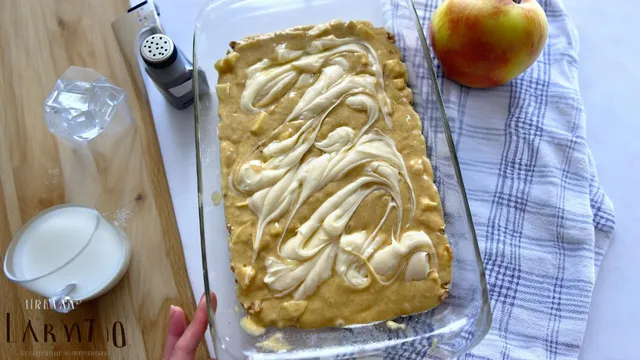
A cozy fall dessert that starts with a box of yellow cake mix and layers in toasted walnuts, cinnamon-spiced diced apples, and a rich swirl of sweetened cream cheese. As it bakes, the top cracks and shifts into a craggy, marbled surface — the signature look that gives earthquake cake its name — while the walnuts toast underneath into a crisp, nutty base. It's an easy, crowd-pleasing dessert perfect for potlucks, holiday tables, or a comforting weeknight treat.
9x13-inch baking dish
Large mixing bowl
Medium mixing bowl
Electric hand mixer
Rubber spatula
Butter knife
Toothpick
Preheat your oven to 350°F and lightly grease a 9x13-inch baking dish.
Sprinkle the chopped walnuts evenly across the bottom of the dish so they toast as the cake bakes.
In a large bowl, whisk together the cake mix, water, oil, eggs, cinnamon, and cloves until smooth.
Fold in the diced apple, then pour the batter evenly over the walnuts in the dish.
In a separate bowl, beat the cream cheese, butter, and vanilla until smooth and creamy.
Mix in the powdered sugar until fully combined and glossy.
Spoon the cream cheese mixture over the batter in dollops, then gently swirl with a knife to create visible ribbons — do not fully blend.
Bake for 45–50 minutes, or until a toothpick inserted into the cake portion comes out clean.
Let the Apple Earthquake Cake cool for at least 30 minutes before slicing and serving.
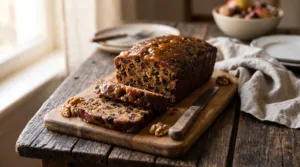
Pecans bring a slightly sweeter, buttery flavor compared to walnuts and toast beautifully on the bottom of the dish in the same way. This small swap changes the character of the Apple Earthquake Cake without altering the technique at all, so it’s an easy substitution if pecans are what you have on hand or if you simply prefer their milder taste.
A pinch of nutmeg or allspice added alongside the cinnamon and cloves deepens the fall flavor profile even further. This works especially well if you’re serving the cake around Thanksgiving or other cool-weather holidays where those richer spice notes feel right at home alongside the apples.
A firmer, tart apple like Granny Smith holds its shape nicely against the soft cake and adds a bright contrast to the sweetness, while a naturally sweeter variety like Honeycrisp leans the cake more toward dessert-forward flavor. Either works well, so choose based on how tart or sweet you want the final result to taste.
Drizzling warm caramel sauce over the cooled cake right before serving makes this already indulgent dessert feel even more special. It’s a simple addition that turns a casual bake into something suitable for a holiday table or a celebratory potluck dish.
A few gentle passes with a knife are all it takes to create the signature cracked pockets that define an Apple Earthquake Cake. Overmixing blends the cream cheese too thoroughly into the batter, and you lose the contrast that makes this dessert so visually striking and texturally interesting in the first place.
Cutting the apple into small, uniform pieces — around a quarter inch — helps them distribute evenly through the batter and cook through fully during baking. Larger or uneven pieces can sink to the bottom or leave some bites undercooked while others turn mushy.
The cream cheese layer needs time to set as it cools, so resist the urge to cut in early. Slicing too soon will give you a messier presentation, even though the flavor will still be there. Patience here really does pay off visually.
Because the cream cheese swirl stays soft and gooey even when the cake is fully baked, always insert your toothpick into a section of visible cake batter rather than where the cream cheese has pooled, or you may pull the cake too early.
Because this cake contains a cream cheese layer, it should not sit out at room temperature for longer than about two hours, especially in a warm kitchen. If you’re serving it at a gathering, keep portions small and refrigerate the rest promptly to keep the topping safe and fresh.
Store the cake covered tightly with plastic wrap or in an airtight container in the refrigerator for up to four days. Let individual slices rest at room temperature for about ten minutes before serving so the cream cheese layer softens slightly and the flavors come forward.
Wrap individual slices tightly in plastic wrap, then place them in a freezer-safe bag for up to two months. Thaw overnight in the refrigerator before serving, as thawing at room temperature can cause the cream cheese layer to become watery.
Many home bakers stir the cream cheese mixture in completely, which erases the marbled, cracked look that gives earthquake cake its name. Instead, drag a knife through the topping just three or four times to create ribbons while keeping distinct pockets of cream cheese visible on the surface.
Large apple chunks can create uneven texture, with some bites overly juicy and others still firm. Dice the apple into small, consistent pieces so it cooks evenly and blends seamlessly into every forkful of the finished cake.
Cutting into the cake while it’s still hot causes the cream cheese layer to ooze and the slices to fall apart. Give the cake at least 30 minutes to cool so the topping firms up enough to hold a clean slice.
Leaving out the walnuts, or scattering them on top instead of the bottom, removes the toasted, crunchy base that balances the soft cake and creamy topping. Keep them on the bottom of the dish for the best textural contrast.
Per serving: 1 slice (1/12 of cake)
Nutrition values are estimated per serving and will vary based on exact ingredients used.
However you slice it, this Apple Earthquake Cake proves that a box of cake mix can be the starting point for something genuinely impressive. Between the toasted walnuts, cinnamon-spiced apples, and swirls of sweet cream cheese, it’s a dessert with a lot of personality for very little effort — the kind of cake that looks like a special-occasion bake even on an ordinary day.
The name comes from the cracked, uneven surface that forms as the cake bakes — the batter shifts and splits like fault lines, with pockets of the sweetened cream cheese mixture peeking through the cracks. It's a fun visual effect that happens naturally in the oven and doesn't require any special technique beyond the gentle swirl you do before baking.
Yes. Spice cake mix is a great substitute and amplifies the cinnamon and clove flavors already in the recipe, while French vanilla cake mix gives a slightly sweeter, milder base that lets the apple shine through more. Either swap works with the same measurements and baking time listed in this recipe.
Firmer apple varieties like Granny Smith hold their shape well during baking and add a nice tart contrast to the sweet cake and cream cheese layers. If you prefer a sweeter cake overall, Honeycrisp or Gala apples work beautifully too, since they soften slightly but still hold together in distinct pieces.
Absolutely. Simply omit the walnuts entirely, or replace them with a layer of toasted rolled oats for a similar crunchy base without any tree nuts. The rest of the recipe stays exactly the same, so it's an easy adjustment for households avoiding nuts.
This usually happens when the cream cheese mixture is too thin or when it's stirred in too aggressively with the batter. Make sure the mixture is thick and glossy before spooning it on top, and use only a few gentle knife passes to swirl it in so it stays closer to the surface rather than sinking completely.
No items yet. Click "Add All" or use + buttons!
Community Kitchen