Simple. Tasty. From Our Home to Yours. Browse all recipes

Simple. Tasty. From Our Home to Yours. Browse all recipes
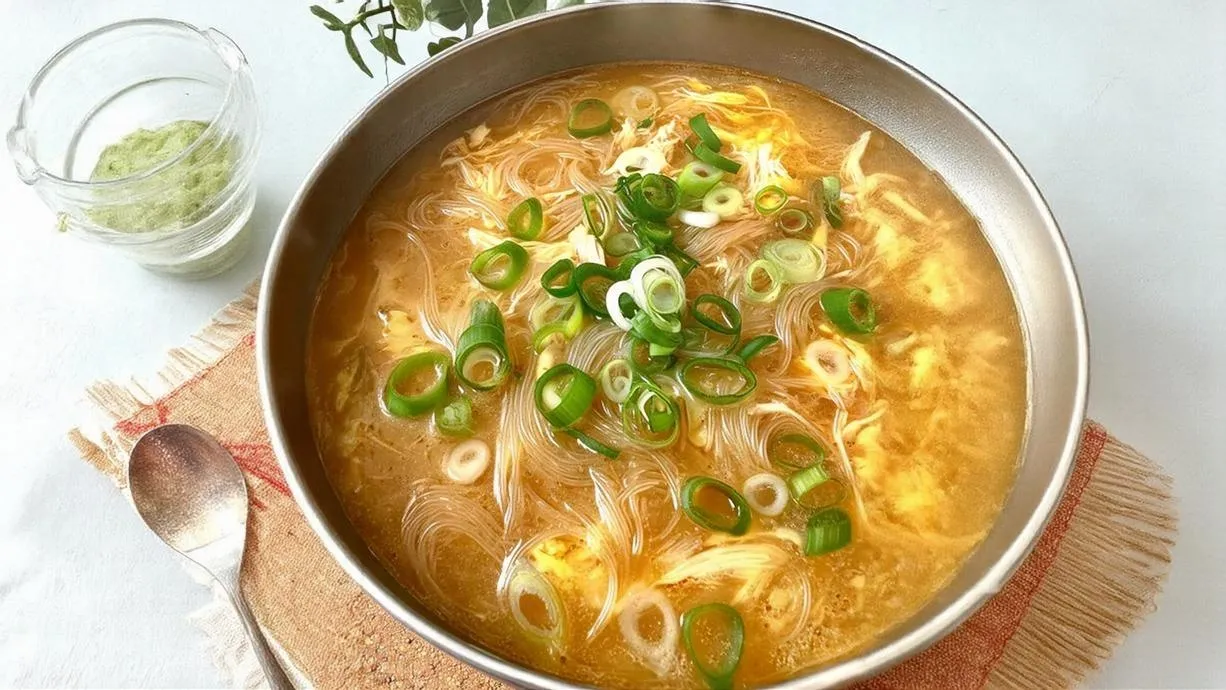
Embark on a culinary journey to the islands with this authentic Hawaiian Chicken Long Rice Soup. This recipe features succulent boneless, skinless chicken thighs simmered in a rich, savory chicken broth, infused with the aromatic warmth of fresh ginger and garlic. Silky, translucent long rice noodles absorb all the delightful flavors, complemented by the gentle sweetness of carrots and crisp celery, and finished with a vibrant sprinkle of green onions. It's a deeply comforting and satisfying bowl that brings the spirit of aloha straight to your American kitchen.
Large heavy-bottomed pot or Dutch oven
Wooden spoon
Cutting board
Two forks (for shredding chicken)
Ladle
Measuring cups and spoons
Grater (for ginger)
Sharp knife
Heat a large heavy-bottomed pot or Dutch oven over medium heat and add the cooking oil.
Add the minced garlic and grated ginger, sautéing for 1-2 minutes until fragrant and lightly golden, being careful not to burn them.
Add the chicken thighs to the pot and cook for 3-5 minutes per side until lightly browned and a crust forms, then remove and set aside.
Pour the chicken broth and soy sauce into the pot, scraping up any browned bits from the bottom.
Bring the liquid to a gentle simmer, then return the browned chicken thighs to the pot.
Reduce heat to low, cover, and cook for 15-20 minutes until the chicken is tender and cooked through (165°F/74°C internal temperature).
Remove the chicken from the pot and let it rest on a cutting board for a few minutes, then shred it into bite-sized pieces using two forks.
Add the sliced carrots and diced celery to the simmering broth and cook for 5-7 minutes until nearly tender-crisp.
Return the shredded chicken to the pot along with the long rice noodles.
Simmer for another 3-5 minutes, or until the noodles are translucent and tender, ensuring they don't become mushy.
Taste the Hawaiian Chicken Long Rice Soup and adjust seasoning with kosher salt and freshly ground black pepper as needed.
Ladle the hot soup into bowls and garnish generously with fresh chopped green onions before serving immediately.
For those who love a bit of heat, add 1/2 teaspoon of red pepper flakes along with the garlic and ginger at the beginning. Alternatively, serve with a side of sriracha or chili garlic sauce for individual customization.
Enhance the nutritional value and texture by adding extra vegetables. Sliced mushrooms, baby bok choy, snow peas, or even a handful of spinach (stirred in during the last minute of cooking) are excellent additions to this Hawaiian Chicken Long Rice Soup.
Instead of chicken, you could try a seafood version. Add shrimp or flaky white fish (like cod or snapper) during the last 5-7 minutes of cooking, ensuring they are cooked through but not overdone. This creates a lighter, ocean-inspired Hawaiian Chicken Long Rice Soup.
To make this soup even more substantial, consider adding 1/2 cup of cooked and drained edamame or a small can of drained water chestnuts for extra texture and protein. A sprinkle of toasted sesame seeds before serving can also add a delightful crunch.
The initial browning of the chicken thighs is crucial. It creates the Maillard reaction, developing deep, savory notes that will permeate the entire broth. Resist the urge to crowd the pot; if necessary, brown the chicken in batches to ensure a proper crust forms, rather than just steaming the meat.
While pre-minced garlic and ginger are convenient, for a soup where these flavors are central, fresh is always best. Grating fresh ginger releases its essential oils more effectively than chopping, infusing the broth with a brighter, more pungent flavor that defines Hawaiian Chicken Long Rice Soup.
Always use low-sodium chicken broth and taste frequently. Soy sauce adds significant salinity, so season gradually with additional salt and pepper towards the end. This prevents an overly salty soup and allows you to perfectly balance the flavors.
Long rice noodles can go from perfectly tender to mushy in a blink. Add them last and cook only until they are translucent and have a slight chew. If you anticipate a lot of leftovers, consider cooking the noodles separately and adding them to each bowl just before serving to maintain their ideal texture.
Allow the Hawaiian Chicken Long Rice Soup to cool completely to room temperature (within 2 hours) before transferring it to airtight containers. Store in the refrigerator for up to 3-4 days. The noodles may absorb more liquid and soften slightly, so you might need to add a splash of broth when reheating.
For longer storage, portion the cooled soup into freezer-safe containers or heavy-duty freezer bags, leaving about an inch of headspace. It can be frozen for up to 2-3 months. Thaw overnight in the refrigerator before reheating. Note that the noodles may become softer after freezing and thawing.
Gently reheat thawed or refrigerated soup in a saucepan over medium-low heat, stirring occasionally, until warmed through. Add a little extra chicken broth or water if the soup has thickened too much. Avoid high heat to prevent the noodles from breaking down further.
Individual portions can be reheated in a microwave-safe bowl, covered loosely, on 50% power for 2-3 minutes, stirring halfway through, until piping hot. Again, a splash of broth may be necessary to restore consistency.
A common pitfall is adding the long rice noodles too early or cooking them for too long. This results in a mushy, gluey texture that detracts from the soup. Always add them in the last few minutes of cooking, just until they are tender and translucent, then remove the pot from the heat promptly.
Skipping the browning step for the chicken thighs means you miss out on a significant layer of flavor development. The Maillard reaction creates complex, savory compounds that are essential to the depth of this Hawaiian Chicken Long Rice Soup. Without it, the chicken and broth can taste flat and less appealing.
Relying solely on the soy sauce for seasoning or waiting until the very end to taste and adjust can lead to an unbalanced soup. Seasoning in stages—after browning the chicken, after adding broth, and then at the very end—allows flavors to meld and ensures a well-rounded taste profile.
While convenient, jarred minced garlic and ginger often lack the vibrant, pungent flavor of their fresh counterparts. In a soup like Hawaiian Chicken Long Rice Soup, where these aromatics are key, using fresh ingredients makes a noticeable difference in the overall brightness and depth of flavor.
When browning ingredients like chicken or sautéing aromatics, crowding the pot lowers the temperature and causes ingredients to steam rather than brown. This prevents the development of those crucial caramelized flavors and can lead to less flavorful results in your Hawaiian Chicken Long Rice Soup. Work in batches if necessary.
Per serving: 1.5 cups
Nutritional values are approximate and may vary based on specific ingredient brands and preparation methods. This calculation is for one serving of Hawaiian Chicken Long Rice Soup.
And there you have it, a taste of the islands brought right to your kitchen! This Hawaiian Chicken Long Rice Soup is more than just a recipe; it’s an invitation to explore new flavors and create lasting memories around your dinner table. I encourage you to try it, make it your own, and share the warmth and comfort with your loved ones. Here at HomeRecipes.com, we’re dedicated to helping you master dishes that inspire joy and confidence in every cook.
Long rice noodles, also known as cellophane noodles or glass noodles, are a staple in many Asian cuisines, including Hawaiian dishes like this Hawaiian Chicken Long Rice Soup. They are typically made from mung bean starch, which gives them their translucent appearance and a wonderfully chewy, slippery texture. They absorb flavors incredibly well. If you can't find them, the closest substitute would be thin vermicelli rice noodles, though they will have a slightly softer texture and might not hold up quite as well in the soup over time. Wheat-based ramen or egg noodles could also be used in a pinch, but they will drastically change the authentic character of the soup.
Absolutely! If you enjoy a little heat, there are several ways to kick up the spice level in your Hawaiian Chicken Long Rice Soup. You can add a pinch of red pepper flakes along with the garlic and ginger at the beginning of the cooking process. For a more controlled heat, serve the soup with a side of sriracha, chili garlic sauce, or a few drops of sesame chili oil, allowing each person to customize their spice preference. A finely diced jalapeño or serrano pepper added with the carrots and celery would also provide a fresh, vibrant heat.
While this recipe specifically calls for chicken, you can certainly adapt the Hawaiian Chicken Long Rice Soup to be vegetarian. To do so, simply omit the chicken and use vegetable broth instead of chicken broth. You can add extra vegetables such as sliced mushrooms, bok choy, snap peas, or even firm tofu (pressed and cubed) for added protein and texture. Ensure your soy sauce is vegetarian-friendly, as some brands may contain animal-derived ingredients. The aromatics and noodles will still provide a delicious base for a comforting vegetarian version.
Yes, this Hawaiian Chicken Long Rice Soup is quite versatile when it comes to adding other vegetables. Feel free to incorporate your favorites or whatever you have on hand. Some excellent additions include sliced daikon radish, spinach (stirred in at the very end until just wilted), napa cabbage, or even a handful of frozen peas. Just be mindful of cooking times; add harder vegetables earlier with the carrots and celery, and softer, quicker-cooking vegetables closer to the end of the simmering process to prevent them from becoming overcooked and mushy.
The key to perfectly cooked long rice noodles in your Hawaiian Chicken Long Rice Soup is timing and attention. These noodles cook very quickly and can easily turn mushy if overdone. My best advice is to add them towards the end of the cooking process, after your chicken is shredded and your other vegetables are almost tender. Simmer them for just 3 to 5 minutes, or until they are translucent and have a pleasant, slightly chewy bite. They will continue to soften slightly even after you remove the soup from the heat, so it's better to undercook them slightly than to overcook. If you're planning to store leftovers, consider cooking the noodles separately and adding them to individual bowls just before serving to maintain their texture.

No items yet. Click "Add All" or use + buttons!
Community Kitchen