Restaurant-Quality Garlic Butter Beef Pasta Ready Fast
This homemade Garlic Butter Beef Pasta recipe elevates humble ground beef into a deeply satisfying main course. It captures the essence of a decadent steakhouse cream sauce, infused with pungent garlic and savory Italian herbs, then cooked directly with the pasta for maximum flavor absorption. It is the ultimate American comfort food, hearty, rich, and surprisingly quick to execute for a dish that tastes this complex. It’s guaranteed to become your go-to recipe when you crave something truly indulgent.
restaurant_menu Ingredients
Core Components
Flavor Builders & Finishers
hardware Essential Tools
Large, heavy-bottomed skillet or Dutch oven
Wooden spoon or sturdy spatula
Measuring cups and spoons
Fine-mesh sieve (for draining fat, optional)
Cheese grater (Microplane recommended)
format_list_numbered Preparation
Browning the Beef and Blooming Spices
Heat the butter in your large skillet over medium heat until melted and shimmering, then add the ground beef and season immediately with salt and pepper. Brown the beef thoroughly, breaking it up as you go, until a deep, dark crust forms on the bottom of the pan—this takes about 6 to 8 minutes. Drain off any excess rendered fat, leaving just a thin layer for flavor.
Building the Sauce Base
Reduce the heat to medium-low and add the minced garlic, cooking for just 30 seconds until intensely fragrant, watching carefully to prevent burning. Immediately stir in the onion powder, garlic powder, and Italian seasoning, allowing them to toast in the residual fat for 30 seconds to bloom their flavor compounds.
Cooking Pasta in Sauce
Pour in the chicken broth and heavy cream, scraping the bottom of the pan vigorously to lift all the flavorful brown bits. Add the dry pasta, stirring until it is completely submerged in the liquid mixture. Bring this to a gentle simmer, cover the skillet, and reduce the heat to low, cooking for approximately 10 minutes, stirring every minute or two to prevent sticking and ensure even cooking.
favorite You Might Also Love
Browse All arrow_forwardSouthern Potluck Sloppy Joes Recipe (Classic Comfort)
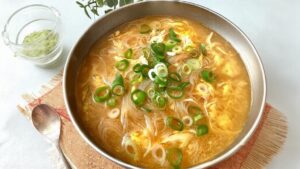
Hawaiian Chicken Long Rice Soup Recipe (Comforting Noodle)
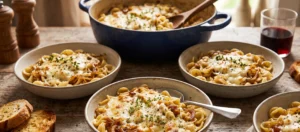
French Onion Pasta Recipe (One-Pot Comfort)
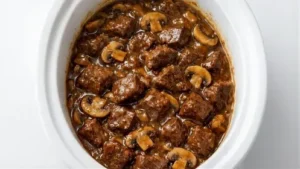
Ultimate Tender Slow Cooker Beef Tips

Vibrant Mexican Shrimp Cocktail: The Ultimate Chilled Appetizer
No-Cook Camping Meals Recipe (Effortless Outdoors)
Try These Variations
Lemon-Herb Brightness Variation
To cut through the richness of the cream, introduce acidity at the end. After stirring in the Parmesan cheese, add the zest of one whole lemon and 1 tablespoon of fresh lemon juice. This brightens the entire profile of the Garlic Butter Beef Pasta without making it taste citrusy; instead, it lifts the savory notes. You can also swap the parsley garnish for fresh basil mixed with the parsley for an even more complex herbal finish, reminiscent of some finer Italian-American preparations. This modification makes the dish feel lighter and more appropriate for spring or summer dining.
Spicy Chipotle Kick Variation
For those who enjoy heat, incorporate a smoky element. After blooming your spices, add 1 teaspoon of chipotle chili powder along with the onion and garlic powders. If you prefer a slower, deeper heat, stir in 1 tablespoon of finely minced canned chipotles in adobo sauce along with the broth. This adds a beautiful, earthy warmth that pairs surprisingly well with the beef and butter. Be cautious with salt when using adobo sauce, as it is quite salty; reserve final salt adjustments until the very end of the cooking process for this spicy take on Garlic Butter Beef Pasta.
Mushroom and Thyme Rustic Variation
Elevate the earthy notes by adding mushrooms. Slice 8 ounces of cremini mushrooms and sauté them alongside the ground beef, ensuring they release their moisture and brown deeply before proceeding with the recipe. Furthermore, substitute the Italian seasoning with 1 teaspoon of fresh thyme leaves (or ½ teaspoon dried). The mushroom’s meaty texture and the piney aroma of thyme create a much more rustic, autumnal flavor profile for your Garlic Butter Beef Pasta, making it feel heavier and more suitable for a cold evening meal.
Chef's Pro Tips
When simmering the pasta directly in the sauce, monitor the liquid level religiously. If the liquid evaporates too quickly and the pasta is still hard, it will burn onto the bottom of the pan before it cooks through. The goal is to have the pasta absorb the liquid *as* it softens. If it looks dry, add a splash of broth or even hot water (about ¼ cup at a time). This careful liquid management is the difference between a creamy dish and a pan of scorched noodles, which ruins the entire experience of making Garlic Butter Beef Pasta.
To ensure your sauce achieves that restaurant-level gloss, always finish with a small pat of cold, unsalted butter stirred in off the heat, just before adding the Parmesan. This technique, known as *monter au beurre*, introduces cold fat that emulsifies with the existing sauce, adding richness, stabilizing the emulsion, and giving the final Garlic Butter Beef Pasta an unparalleled, velvety sheen that reflects light beautifully. It’s a small step that yields massive visual and textural rewards.
Always use the finest setting on your box grater or a Microplane for the Parmesan cheese. We are aiming for a soft powder that melts instantly into the sauce, not shreds that resist incorporation. When the cheese is finely grated, it disperses its fat and protein evenly throughout the sauce, thickening it through molecular interaction rather than clumping. If you skip this, you risk developing a grainy texture in the final product, which is a common, yet avoidable, flaw in home-cooked creamy pasta dishes like this Garlic Butter Beef Pasta.
Storage Guide
Refrigerator Storage
Allow the Garlic Butter Beef Pasta to cool down on the countertop for about 30 minutes until it is no longer piping hot—this rapid cooling prevents condensation buildup in the storage container which can water down the sauce. Transfer the cooled portion into a shallow, airtight glass container, ensuring the pasta is not packed down too tightly, which can cause it to stick together. It remains best consumed within 3 days when stored below 40°F (4°C). Always reheat slowly on the stovetop with a splash of broth.
Freezing for Later
While not my first recommendation due to potential slight texture change in the cream, freezing is possible. Cool the dish completely first. Portion the Garlic Butter Beef Pasta into heavy-duty freezer bags, pressing out as much air as possible to prevent freezer burn. Lay the bags flat on a baking sheet until frozen solid, then stack them vertically. Thaw overnight in the refrigerator before reheating. Expect it to require more liquid (an extra ¼ cup of broth per serving) upon reheating to restore the original sauce consistency.
Immediate Reheating on Stovetop
For best results when consuming leftovers, use a non-stick skillet over low heat. Add 1 to 2 tablespoons of chicken broth or milk per serving you are reheating. Stir constantly, gently loosening the sauce as it warms. Do not use high heat, as this will cause the cream to break or the cheese to separate. Reheat only until steaming hot (around 165°F internally) to maintain the tender texture of the pasta and the smoothness of the sauce in your Garlic Butter Beef Pasta.
Avoid These Mistakes
✕ Overcooking the Garlic
Adding the minced garlic too early or cooking it over too high a heat is a cardinal sin in Italian-American cooking. Garlic burns quickly, turning acrid and bitter. Since the garlic is only cooked for 30 seconds, ensure your heat is managed after browning the beef. If you smell anything sharp or acrid beyond a pleasant fragrance, you’ve gone too far, and the entire pot of Garlic Butter Beef Pasta will carry that unpleasant flavor note, overpowering the butter and cream.
✕ Not Developing the Fond
The dark brown bits stuck to the bottom of the skillet after browning the beef are called the ‘fond,’ and they are pure, concentrated flavor. If you skip scraping this up when adding the broth, you are literally throwing away the deepest, most savory notes of the dish. Use a wooden spoon or metal spatula to vigorously scrape every particle loose; this process, called deglazing, is essential for building robust flavor in sauces like this one, ensuring your Garlic Butter Beef Pasta isn’t one-note.
✕ Adding Cheese Off Heat
Introducing the Parmesan cheese while the skillet is still boiling hot will cause the milk proteins in the cheese to seize up and contract rapidly. This results in a stringy, oily, or grainy texture, rather than the smooth, luxurious coating we desire for our Garlic Butter Beef Pasta. Always kill the heat, let the vigorous bubbling stop, and stir the cheese in gently to allow it to melt slowly and integrate seamlessly into the cream base. This control over temperature ensures a perfect emulsion.
nutrition Nutrition Facts
Per serving: 1.5 cups cooked pasta and beef per serving
This is a rich dish; portion control is recommended for daily consumption. The sodium content can be significantly reduced by using unsalted broth and seasoning lightly.
flag Conclusion
This Garlic Butter Beef Pasta is more than just a recipe; it’s a technique masterclass hidden inside a comforting bowl. We’ve learned that the foundation of great flavor starts with a proper sear, and the key to a luxurious sauce lies in the careful management of heat and starch. Don’t be intimidated by the cream sauce—follow these precise steps, trust your senses, and you will serve a dish worthy of any fine dining menu. Make this your own; experiment with the herbs or the type of beef. Happy cooking, and enjoy every rich, savory bite!
sell Related Topics
Frequently Asked Questions
Why is my Garlic Butter Beef Pasta sauce thin or watery? expand_more
This is almost always due to insufficient starch release or adding the cheese while the heat is too high. Remember, we cook the pasta directly in the liquid specifically so the starch can emulsify with the fat and cream. If your sauce is thin, it means there wasn't enough time or enough agitation for the starch to bind the liquid. Next time, simmer uncovered for a few extra minutes to allow more evaporation, or ensure you are stirring frequently during the final 5 minutes of cooking. Also, always stir in the Parmesan *off* the heat to prevent the milk proteins from tightening up too quickly, which causes separation and a watery outcome.
Can I substitute the ground beef with another protein for this Garlic Butter Beef Pasta? expand_more
Absolutely, this recipe is highly adaptable! If you prefer poultry, substitute the ground beef with ground chicken or turkey; however, since these are leaner, you may need to increase the initial butter from 2 tablespoons to 3 tablespoons to ensure you have enough fat to bloom your spices properly. If you prefer a richer flavor profile, you could use ground lamb, though you will need to drain more fat. For a vegetarian option, you could substitute the beef with brown or green lentils cooked separately, or use finely chopped mushrooms sautéed until deeply browned, ensuring you achieve that critical Maillard flavor base that makes this Garlic Butter Beef Pasta so satisfying.
What is the best type of pasta to use if I don't have linguine? expand_more
The best pasta shape is one that can capture the sauce effectively. While linguine or fettuccine are my top choices for their broad surface area, penne, rigatoni, or even rotini work quite well because the ridges and tubes hold the creamy sauce beautifully. The key consideration when substituting is the cooking time. If you use a shorter, thicker pasta like penne, you may need slightly less cooking time in the sauce (perhaps 8 minutes instead of 10) before checking for doneness. Always test a piece for that perfect al dente bite, as pasta cooked directly in sauce can overcook quickly towards the end of the simmer time for this delicious Garlic Butter Beef Pasta.
Is it safe to use a lower-fat cream substitute? expand_more
From a culinary standpoint, I strongly advise against it for this specific recipe. The structure of a successful, stable cream sauce relies heavily on the high butterfat content of heavy cream. Lower-fat alternatives like half-and-half or evaporated milk contain too much water, which boils off too quickly, leaving you with a sauce that often curdles or splits when the acidic Parmesan cheese is introduced. For recipes where texture is paramount, like this rich Garlic Butter Beef Pasta, investing in the correct ingredient—heavy cream—will guarantee a glossy, emulsified finish rather than a grainy disappointment.
Can I add vegetables to this Garlic Butter Beef Pasta? expand_more
Incorporating vegetables is a fantastic way to add color and nutrients! The best time to add hardy vegetables like sliced mushrooms, chopped carrots, or finely diced celery is right after you drain the beef fat, before adding the garlic. Sauté them until they soften and begin to brown slightly—this concentrates their sweetness. Softer vegetables, like spinach or frozen peas, should be added in the final 2 minutes of the simmer time, just long enough for them to heat through without becoming mushy. This makes for an even more complete and balanced meal of Garlic Butter Beef Pasta.
More Recipes You'll Love
Rich Garlic Butter Beef Pasta Mastery
Sheet-Pan Gnocchi with Sausage and Peppers Recipe (Quick Weeknight Dinner)
Vibrant Mexican Shrimp Cocktail: The Ultimate Chilled Appetizer
Slow Cooker Creamy Tortellini Soup Recipe (Comforting & Easy)
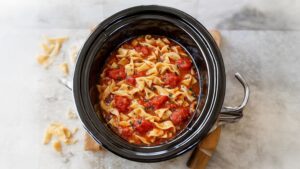
Amish Slow Cooker Tomato Noodle Soup

Community Kitchen