Simple. Tasty. From Our Home to Yours. Browse all recipes

Simple. Tasty. From Our Home to Yours. Browse all recipes
Experience the ultimate comfort of this Golden Zucchini Bread, a HomeRecipes classic designed to be the star of your summer baking. It boasts an incredibly moist, tender crumb, infused with warming cinnamon and nutmeg, and a beautiful golden-brown crust. This recipe expertly balances sweetness with the subtle earthiness of zucchini, making it an irresistible treat for any time of day. Perfect for using up your garden's bounty, it's a timeless American staple that will quickly become a family favorite.
9x5-inch loaf pan
Large mixing bowl
Medium mixing bowl
Whisk
Spatula
Wire cooling rack
Clean kitchen towel or paper towels
Wooden skewer or toothpick
Measuring cups and spoons
Preheat your oven to 350°F (175°C) and position an oven rack in the center. Prepare a 9x5-inch loaf pan by either greasing and flouring it, or lining it with parchment paper, allowing the paper to overhang the long sides to create a sling for easy removal.
In a large mixing bowl, whisk together the all-purpose flour, baking soda, baking powder, kosher salt, ground cinnamon, and freshly grated nutmeg (if using) until thoroughly combined and no lumps remain. This ensures even distribution of leavening agents and spices.
In a separate medium bowl, whisk together the well-squeezed grated zucchini, vegetable oil, granulated sugar, large eggs, and pure vanilla extract until smooth and well blended. Ensure the sugar is mostly dissolved and the eggs are fully incorporated.
Pour the wet zucchini mixture into the bowl with the dry ingredients. Using a spatula, gently stir just until no dry streaks of flour are visible. Avoid overmixing; a few small lumps are perfectly fine and will contribute to a tender crumb.
If desired, gently fold in the chopped nuts or chocolate chips with a few quick turns of the spatula, again, being careful not to overmix.
Pour the batter evenly into your prepared loaf pan and use the spatula to smooth the top. Gently tap the pan on the counter a couple of times to release any large air pockets.
Bake in the preheated oven for 50-60 minutes, or until the top is golden brown and springs back when lightly pressed, and a wooden skewer or toothpick inserted into the center comes out clean.
Remove the zucchini bread from the oven and place it on a wire cooling rack. Allow it to cool in the pan for 10-15 minutes before carefully lifting it out (using the parchment sling if applicable) and transferring it to the wire rack to cool completely before slicing and serving.
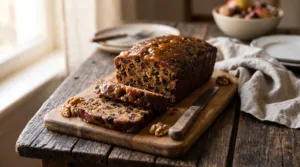
For a delightful crunch and earthy flavor, increase the chopped walnuts or pecans to 1 cup and toast them lightly in a dry skillet before folding them into the batter. Toasting enhances their flavor and aroma significantly, adding a deeper dimension to your Golden Zucchini Bread. You can also mix in 1/2 teaspoon of almond extract with the vanilla for an extra layer of nutty complexity.
Transform this into a decadent treat by adding 1 cup of mini semi-sweet chocolate chips to the batter. The smaller size ensures chocolate in every bite without overwhelming the zucchini flavor. Consider adding a sprinkle of flaky sea salt on top of the loaf before baking to create a beautiful sweet-and-salty contrast that enhances the chocolate’s richness.
Integrate 1/2 cup of finely diced Granny Smith apples along with the zucchini for a delightful tartness and textural contrast. Increase the cinnamon to 1.5 tablespoons and add 1/4 teaspoon of ground cloves for a warm, autumnal spice profile. This variation is particularly wonderful in the fall when apples are at their peak, offering a comforting twist on the original Golden Zucchini Bread.
For a bright and zesty twist, add the zest of one large lemon and 2 tablespoons of poppy seeds to the dry ingredients. After baking and cooling, consider drizzling the loaf with a simple lemon glaze made from 1 cup powdered sugar mixed with 2-3 tablespoons of fresh lemon juice. This combination offers a refreshing citrusy aroma and flavor that perfectly complements the subtle sweetness of the zucchini bread. Ensure the glaze is thick enough to coat but still pourable for an elegant finish.
For a heartier, more wholesome loaf, substitute half of the all-purpose flour (1 cup) with whole wheat pastry flour. Whole wheat pastry flour is lighter than regular whole wheat flour, ensuring the bread remains tender while adding fiber and a slightly nutty flavor. You might need to add an extra tablespoon or two of vegetable oil or a splash of milk if the batter seems too thick, as whole wheat flour absorbs more liquid. This variation makes your Golden Zucchini Bread a bit more robust and satisfying.
While pre-ground nutmeg is convenient, freshly grated nutmeg offers a significantly more potent and aromatic flavor. The volatile oils that give nutmeg its distinctive warm, woody, and slightly sweet notes dissipate quickly once ground. Grating it fresh right before adding it to your Golden Zucchini Bread ensures maximum impact, elevating the spice profile from good to truly exceptional. Invest in a whole nutmeg and a microplane grater; it’s a game-changer for all your baking. You’ll notice a richer, more complex warmth that store-bought versions simply can’t match.
Always use room temperature eggs when baking. Eggs at room temperature emulsify more easily with other ingredients, creating a smoother, more homogenous batter. This leads to a more uniform texture in your Golden Zucchini Bread and helps trap air more effectively, resulting in a lighter, fluffier crumb. If you forget to take your eggs out, simply place them in a bowl of warm (not hot) water for 5-10 minutes before using.
A full teaspoon of kosher salt might seem like a lot for a sweet bread, but it’s essential for balancing the flavors. Salt doesn’t just make things salty; it enhances sweetness and deepens the overall taste profile, preventing the Golden Zucchini Bread from tasting flat or overly sugary. It acts as a crucial counterpoint to the sugar and spices, bringing out their best qualities. Think of it as the unsung hero that makes every other flavor shine.
Allowing the zucchini bread to cool in the pan for 10-15 minutes before transferring it to a wire rack is a critical step often overlooked. This resting period allows the internal structure of the bread to set and firm up. If you try to remove it too soon, the delicate structure might collapse or stick to the pan, especially with such a moist loaf. This brief pause ensures your beautiful Golden Zucchini Bread maintains its shape and integrity, making for a perfect presentation and slice.
Oven temperatures can be notoriously inaccurate, often varying by as much as 25-50°F from the set temperature. An inexpensive oven thermometer, placed inside your oven, provides a true reading, allowing you to adjust your oven dial accordingly. This precision is vital for consistent baking results, preventing your Golden Zucchini Bread from being undercooked (soggy interior) or overcooked (dry, tough exterior). It’s a small investment that yields huge returns in baking success.
Once your Golden Zucchini Bread has completely cooled, wrap the entire loaf tightly in plastic wrap, then again in aluminum foil. This double layer prevents it from drying out and maintains its moisture. Store it on your kitchen counter at room temperature for up to 3 days. For individual slices, wrap each slice in plastic wrap before storing in an airtight container to prevent air exposure and keep them fresh.
For extended freshness, especially in warmer climates or if your home is particularly humid, store the completely cooled and double-wrapped Golden Zucchini Bread in the refrigerator for up to 1 week. The colder temperature slows down spoilage. To prevent it from drying out, ensure it’s wrapped very tightly. When ready to enjoy, simply bring slices to room temperature or gently warm them in a microwave or toaster oven for a few minutes until soft and fragrant.
Golden Zucchini Bread freezes beautifully, making it perfect for meal prep or unexpected guests. Once the loaf is completely cool, you can freeze it whole or sliced. For a whole loaf, wrap it tightly in plastic wrap, then in aluminum foil, and place it in a freezer-safe bag. For slices, wrap each slice individually in plastic wrap, then place them in a single layer in a freezer-safe bag or airtight container. It will keep well for up to 3 months. To thaw, simply place the wrapped loaf or slices on the counter at room temperature for several hours or overnight. You can also warm individual frozen slices directly in a toaster oven at 300°F (150°C) for 10-15 minutes, or microwave for 30-60 seconds.
This is perhaps the most common pitfall in quick bread baking. When you combine the wet and dry ingredients, mixing too vigorously or for too long develops the gluten in the flour. Gluten, while desirable in yeast breads for chewiness, results in a tough, dense, and often rubbery texture in quick breads like Golden Zucchini Bread. The goal is a tender, cake-like crumb. To avoid this, mix only until the dry streaks of flour have just disappeared, and don’t worry about a few small lumps; they will bake out perfectly.
Zucchini contains a significant amount of water. If you grate it and add it directly to the batter without removing the excess liquid, that water will release during baking, leading to a soggy, heavy, or even gummy loaf that struggles to bake through properly. This is especially true for larger, older zucchinis. Always place your grated zucchini in a clean kitchen towel or paper towels and wring it out firmly until no more liquid comes out. This ensures your Golden Zucchini Bread achieves that perfectly moist, tender crumb without being waterlogged.
An oven that is too hot will cause the exterior of the zucchini bread to brown too quickly and set before the interior is fully cooked, leading to a raw or underbaked center. Conversely, an oven that is too cool will result in a dry, dense loaf that doesn’t rise properly. Always preheat your oven thoroughly and consider using an oven thermometer to verify its accuracy. Baking at the consistent 350°F (175°C) specified in the recipe is crucial for even cooking and a beautiful golden crust on your Golden Zucchini Bread.
It’s tempting to cut into a warm loaf of Golden Zucchini Bread right out of the oven, but patience is key. Quick breads continue to cook slightly and set up as they cool. Slicing a hot loaf can cause it to crumble, tear, or compress, leading to a gummy texture. The internal moisture also needs time to redistribute evenly. Allow the bread to cool in the pan for 10-15 minutes, then transfer it to a wire rack to cool completely for at least an hour (or longer) before slicing for the best texture and clean cuts.
Spices, especially ground ones, lose their potency and flavor over time. If your ground cinnamon and nutmeg have been sitting in your pantry for years, they won’t contribute the vibrant, warm flavor that makes Golden Zucchini Bread so comforting. Old spices will result in a bland loaf. For the best flavor, replace ground spices annually, and for nutmeg, consider using whole nutmeg and grating it fresh with a microplane for unparalleled aroma and taste. Fresh spices are a small detail that makes a huge difference in the final flavor profile.
Per serving: 1 slice
Nutritional values are approximate and may vary based on specific ingredients and serving sizes. Calculations do not include optional add-ins like nuts or chocolate chips.
While fresh zucchini is always preferred for its texture and natural moisture, you can absolutely use frozen zucchini. However, it's crucial to thaw it completely first and then squeeze out as much excess liquid as possible. Frozen zucchini tends to release even more water than fresh, so be extra diligent in this step. If you don't remove enough moisture, your zucchini bread will become dense and soggy, lacking the tender crumb we're aiming for. Pat it dry with paper towels after squeezing, too, for good measure.
There are usually two main culprits for dense or gummy zucchini bread. First, and most common, is overmixing the batter. When you mix flour too much, you develop the gluten, which leads to a tough, chewy texture. Always mix just until the dry ingredients are incorporated and no streaks of flour remain. Second, not squeezing enough moisture out of the grated zucchini can make the bread overly wet and heavy. Ensure you wring out the grated zucchini thoroughly in a clean kitchen towel before adding it to the wet ingredients.
You can certainly experiment with reducing the sugar, but be mindful that sugar does more than just sweeten; it also contributes to moisture, browning, and overall texture. Reducing it by a quarter cup (from 1 cup to 3/4 cup) is usually safe without significantly altering the bread's structure. Beyond that, you might notice a difference in browning and how moist the crumb remains. If you're looking for alternative sweeteners, natural options like honey or maple syrup can be used, but they will impart their own distinct flavor and may require slight adjustments to the liquid content due to their different viscosities.
The best way to check for doneness is to insert a wooden skewer or toothpick into the very center of the loaf. If it comes out clean with no wet batter clinging to it, your zucchini bread is ready. Another good indicator is the appearance: the top should be a rich, golden brown, and when gently pressed with your finger, it should spring back. If it leaves an indentation, it needs a few more minutes. Avoid opening the oven door too frequently during the baking process, especially in the first 30 minutes, as this can cause the loaf to sink.
For zucchini bread, I recommend using medium-sized zucchinis that are firm and blemish-free. These typically have a good balance of moisture and flavor. Avoid oversized zucchinis if possible, as they tend to be more watery, have larger seeds, and can sometimes have a slightly bitter taste. If you do use a larger zucchini, you might need to scoop out some of the seedy, watery core before grating to ensure the best texture for your bread.
No items yet. Click "Add All" or use + buttons!
Community Kitchen