Simple. Tasty. From Our Home to Yours. Browse all recipes

Simple. Tasty. From Our Home to Yours. Browse all recipes
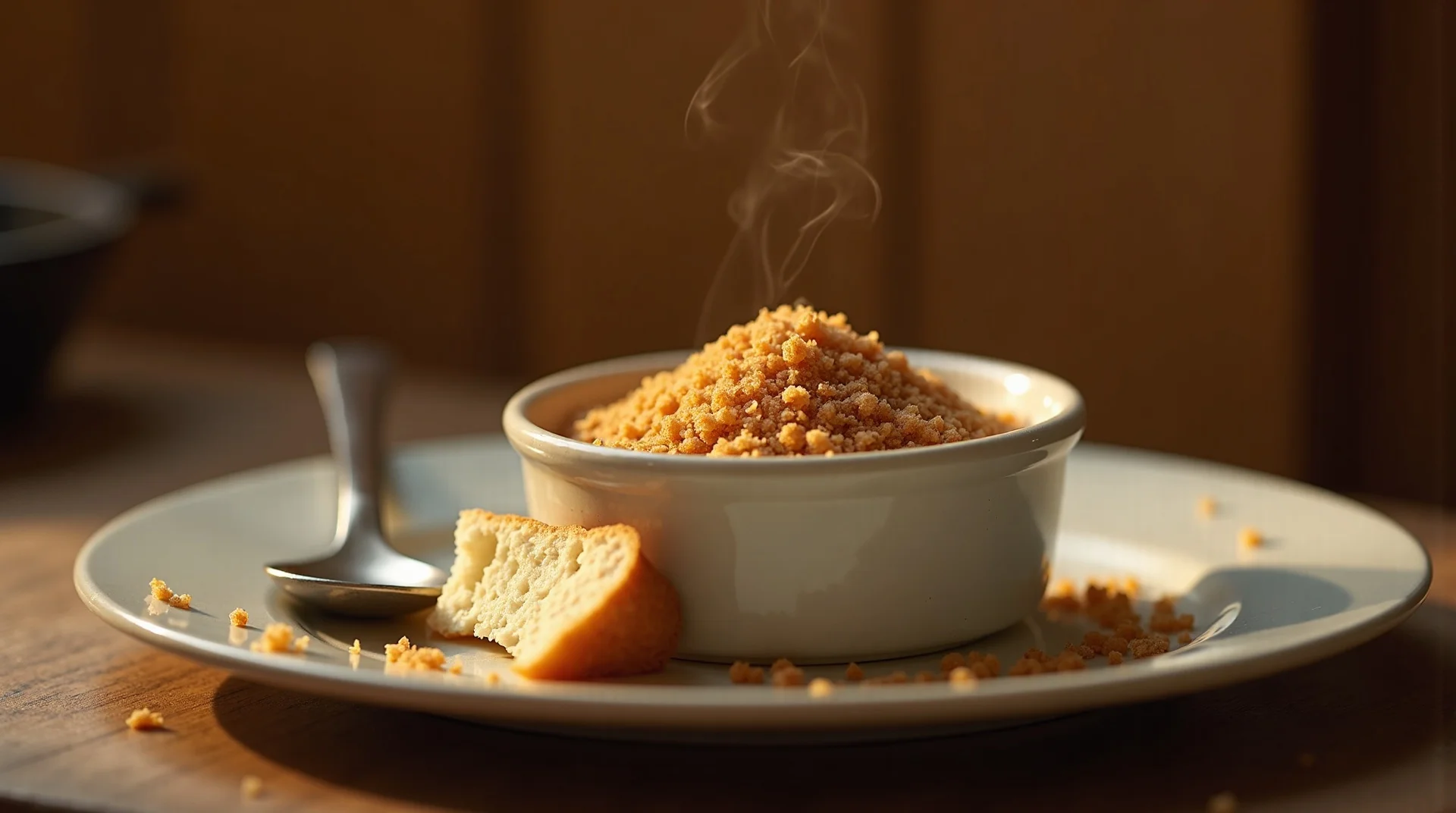
These are not your average brittle biscuits; these are true Southern Tea Cake Cookies, boasting an incredibly tender, cakey interior encased in a delicate, buttery shell. This recipe honors the tradition of using simple pantry staples to create profound comfort food. The subtle hint of almond extract elevates the classic vanilla flavor profile, making these cookies melt in your mouth. They are the quintessential companion for a tall glass of sweet tea or hot coffee, perfect for impromptu gatherings or quiet Sunday afternoons.
Stand mixer or hand mixer
Large mixing bowl
Medium bowl
Whisk
Rolling pin
1/2-inch rolling pin guides (optional)
Round cookie cutters (2-3 inch diameter)
Baking sheets (2)
Parchment paper
Wire cooling rack
Preheat your oven to 350°F (175°C) and prepare your baking sheets with parchment paper to ensure easy release for these delicate Southern Tea Cake Cookies.
Cream the softened butter and 3/4 cup of sugar together on medium speed until the mixture is visibly lighter in color and fluffy, taking care not to over-aerate the fat.
Beat in the egg, followed by the vanilla and almond extracts, mixing until the wet ingredients are fully emulsified and homogenous, scraping down the bowl sides thoroughly.
In a separate bowl, whisk together the all-purpose flour, baking powder, and salt to ensure even distribution of the leavener.
Alternate adding the dry mixture and the buttermilk to the main bowl, mixing only until no major streaks of flour remain; stop the mixer immediately to preserve the cakey texture.
Turn the soft dough onto a lightly floured surface and gently pat or use a rolling pin to achieve a uniform thickness of precisely 1/2 inch, handling the dough minimally.
Use your favorite cookie cutter to shape the dough, arranging the cutouts onto your prepared baking sheets, leaving about 2 inches between each one.
Bake them in your preheated 350°F oven for 10 to 12 minutes. You are looking for the edges to turn a very pale, light gold—the centers should still look slightly soft.
Immediately upon removing the sheets from the oven, let the Southern Tea Cake Cookies rest on the hot parchment for exactly 2 minutes to allow the structure to set before transferring them to a wire cooling rack.
To brighten the entire profile, especially wonderful for spring or summer gatherings, add the zest of one large, organic lemon directly into the butter and sugar mixture during the creaming stage. The oils released from the zest will infuse beautifully with the fat, providing a sunny lift. You may wish to slightly reduce the almond extract to ½ teaspoon to let the lemon truly sing, creating a citrus-forward version of these classic Southern Tea Cake Cookies that pairs exceptionally well with sparkling water infused with cucumber.
Instead of using the butter straight from softening, brown it first. Melt the ½ cup of butter gently in a light-colored saucepan over medium heat, swirling constantly until the milk solids toast to a deep hazelnut brown and emit a nutty aroma—this takes about 5 to 7 minutes. Immediately pour this browned butter (including the browned bits) into a heatproof bowl to cool until it re-solidifies to a soft, creamy paste (about 1 hour in the fridge). Use this cooled brown butter in place of the regular softened butter. This technique adds incredible depth, making the cookies taste richer, almost like a cross between a tea cake and a pecan shortbread, even without adding nuts.
For a warmer, autumnal twist on your Southern Tea Cake Cookies, incorporate subtle warming spices into the dry ingredients. Whisk in ½ teaspoon of ground nutmeg and ¼ teaspoon of ground ginger along with the baking powder and salt. If you are making the optional cinnamon sugar topping, increase the cinnamon component by an extra ¼ teaspoon. This variation pairs exceptionally well when served alongside a hot, non-alcoholic spiced apple cider, offering a cozy alternative to the standard recipe.
For those seeking a slightly different fat profile or a subtle tropical note, you can substitute the ¼ cup of buttermilk with an equal amount of full-fat canned coconut milk. Ensure the coconut milk is well-stirred before measuring. The texture remains remarkably similar due to the high fat content of the canned variety, but it imparts a very faint sweetness that complements the vanilla beautifully, making for an intriguing textural variation on the traditional Southern Tea Cake Cookies.
The precise measurement of leavening agents is paramount here. Baking powder is hygroscopic—it absorbs moisture from the air. If your baking powder has been open in a humid pantry for six months, it may have lost its potency. To test it quickly: stir ½ teaspoon of baking powder into ¼ cup of hot water. If it fizzes vigorously within seconds, it is active and ready to give your Southern Tea Cake Cookies the lift they need. If it barely bubbles, discard it immediately and open a fresh container; using dead leavener is the fastest way to guarantee flat, hard cookies.
When rolling out the dough, work quickly and use minimal extra flour. Excess flour on the surface of the dough will bake into a dry, dusty layer on the finished cookie, ruining the smooth, tender exterior we are striving for. If the dough becomes too sticky to handle between cuts, briefly chill the entire dough mass (not the cut shapes) for 10 minutes. This firms up the butter just enough to allow for cleaner cuts without overdeveloping the gluten structure through excessive handling or flour dusting. This patience ensures the structural integrity of your beautiful Southern Tea Cake Cookies.
Always use a proper wire cooling rack, and ensure it is elevated significantly above the countertop. Heat needs to circulate 360 degrees around the cookie. If you cool them on a flat surface, the steam escaping the bottom of the cookie gets trapped, condensing back into moisture. This condensation softens the bottom crust too much, leading to a gummy, slightly damp base that detracts significantly from the intended cakey texture. Elevating the cookies allows that steam to escape freely, setting the bottom crust properly while the interior remains tender.
If you are using cookie cutters, press the cutter straight down and pull it straight up; do not twist the cutter. Twisting shears the dough structure around the edge of the cutter, creating a jagged, uneven edge that bakes differently than the smooth, cut surface. This shearing action can cause the cookie to crack unevenly or bake with a slightly rough perimeter, interrupting the intended delicate mouthfeel of the Southern Tea Cake Cookies.
When incorporating the extracts, always add them *after* the egg is mixed in. Extracts are alcohol-based solvents. If you add them directly to the fat/sugar mixture before the egg, the alcohol can sometimes cause the mixture to seize slightly or prevent a complete emulsion with the egg, leading to flavor pockets or an uneven bake. By adding them after the fat and sugar are properly creamed and the egg is incorporated, you ensure they dissolve evenly into the wet matrix.
For optimal results over 3 days, store the fully cooled cookies in a rigid, airtight plastic container lined with a single sheet of parchment paper on the bottom. Place another sheet of parchment between layers if stacking, ensuring the lid seals tightly to prevent ambient air from drying out the soft crumb. Keep them stored in a cool, dark pantry, away from direct sunlight or heat sources like the oven or dishwasher, which can cause the butter to soften and the texture to degrade rapidly.
While refrigeration is possible for longer storage (up to one week), the cold temperature tends to accelerate moisture migration out of the cookie structure, leading to a slightly firmer texture upon initial removal. If storing in the fridge, place the cooled cookies in an airtight container with a slice of fresh white bread placed inside the container (not touching the cookies); the bread will sacrifice its moisture to keep the cookies softer. Allow them to warm up on the counter for 30 minutes before serving for the best texture.
Freezing is the superior method for preservation beyond one week. After cooling completely, arrange the Southern Tea Cake Cookies in a single layer on a baking sheet and place the entire sheet in the freezer for at least 2 hours until rock solid. Once frozen individually, transfer them into a heavy-duty, freezer-safe zip-top bag, pressing out as much air as possible before sealing. When ready to eat, remove the desired amount and allow them to thaw slowly on the counter for about an hour. For a truly exceptional experience, reheat the thawed cookies in a 300°F oven for 4 minutes to mimic that just-baked warmth.
Per serving: 1 cookie
Nutritional information is an estimate based on 20 servings and does not include optional topping.
There you have it—the blueprint for achieving truly spectacular Southern Tea Cake Cookies right in your own kitchen. This recipe honors the simple, comforting traditions of American baking while employing professional techniques to guarantee a tender, cake-like result every single time. Don’t be intimidated by the details; baking is simply chemistry guided by intuition. I encourage you to make this recipe your own, perhaps experimenting with the optional spice dust or trying a different extract. Serve these with pride, and watch how quickly they disappear. Find this recipe and hundreds more ways to elevate your everyday meals at HomeRecipes.com!
This is almost always due to fat temperature or improper flour measurement. If your butter was too warm (oily or melted), the dough structure weakens immediately, causing excessive spread during baking. Secondly, make sure you are spooning and leveling your flour, not scooping it directly from the bag. Scooping packs the flour, meaning you could be adding up to one full cup of extra flour into your recipe. This imbalance throws off the entire moisture ratio, resulting in dry, crumbly dough that is difficult to roll and yields a hard, brittle cookie rather than a tender Southern Tea Cake Cookies experience. For perfect Southern Tea Cake Cookies, use the spoon-and-level method for flour, and ensure the butter is only softened, not greasy.
Yes, you absolutely can, but you must mimic the acidity to achieve the proper tender texture. Regular whole milk lacks the lactic acid necessary to tenderize the dough structure, leading to a slightly tougher cookie. To substitute, measure out 1/4 cup of whole milk and stir in precisely 1/2 teaspoon of distilled white vinegar or fresh lemon juice. Let this mixture sit undisturbed for 5 to 10 minutes until it curdles slightly. This acidified milk will perform the same function as commercial buttermilk, ensuring your Southern Tea Cake Cookies remain soft and cake-like.
Consistency in thickness is paramount for cookies of this style where the texture is so critical. Do not rely solely on patting the dough by hand. The professional method involves using specialized rolling pin guides or spacers. You can purchase inexpensive adjustable rolling pin bands that snap onto the sides of your pin, setting the height exactly at 1/2 inch. Alternatively, you can roll the dough between two sheets of parchment paper with two identical wooden dowels or rulers placed on either side to act as thickness guides. This mechanical aid ensures every cookie bakes at the same rate, preventing burnt edges on thin spots and raw centers on thick spots.
While vanilla is the dominant flavor in many Southern desserts, the inclusion of almond extract is a nod to older, more complex flavor profiles that were popular throughout American baking history, often influenced by European techniques brought over by various immigrant groups settling in the South. It doesn't make the cookie taste overtly like marzipan; rather, it adds a subtle, warm background note that deepens the overall profile, making the vanilla seem brighter and the butter richer. It’s a subtle complexity that elevates these simple Southern Tea Cake Cookies from good to truly memorable.
This is an excellent question that touches on flavor development versus texture. For most drop cookies, chilling the dough overnight allows the flour to fully hydrate, deepening the flavor profile as the ingredients meld. However, for Southern Tea Cake Cookies, which rely on a specific chemical lift for their cakey texture, chilling the dough for more than 30 minutes is generally counterproductive. Cold fat melts slower in the oven, which can result in less spread and a flatter, denser cookie than desired. If you must chill the dough, let it sit at room temperature for at least 45 minutes before rolling and cutting to ensure the fat softens adequately for that beautiful, tender bake.
No items yet. Click "Add All" or use + buttons!
Community Kitchen