Simple. Tasty. From Our Home to Yours. Browse all recipes

Simple. Tasty. From Our Home to Yours. Browse all recipes
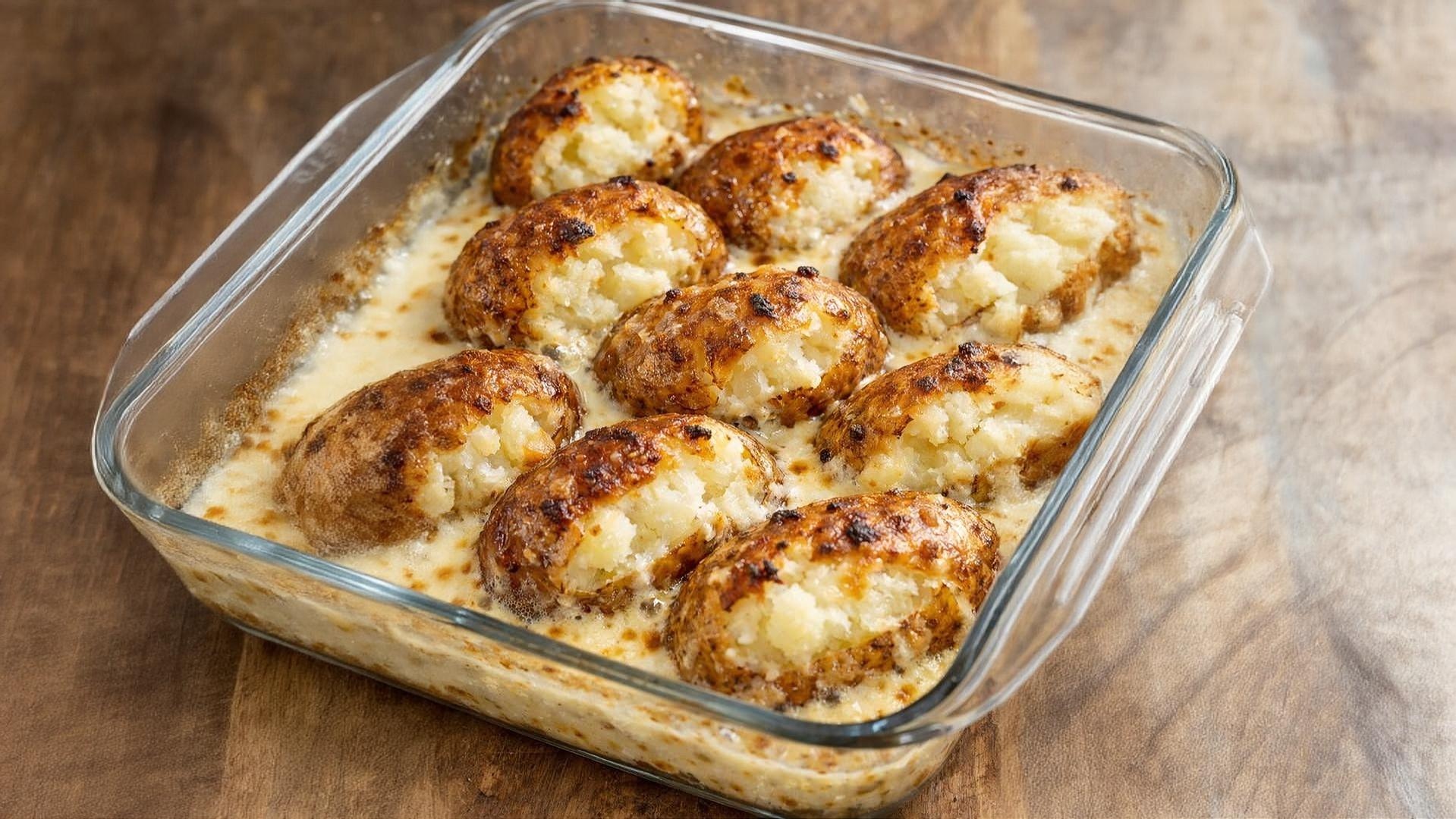
This is not your grandmother's simple creamed corn; this is the elevated Creamy Macaroni And Corn Bake that belongs on any modern American table. We combine tender elbow macaroni with sweet, vibrant corn suspended in a deeply rich, savory-sweet sauce built on cream cheese and heavy cream. It achieves a stunning, lightly crisped golden top while remaining impossibly creamy inside. Perfect as a satisfying side or a light vegetarian main dish, this bake promises ultimate comfort.
Large saucepan for boiling pasta
9x9 inch or similar sized baking dish (approx. 2-quart capacity)
Large mixing bowl
Sturdy rubber spatula
Whisk
Wire cooling rack
Preheat your oven to exactly 350°F (175°C) and ensure the rack is centered. Lightly coat your baking dish with butter or a neutral cooking spray to guarantee a clean release later. Bring a large pot of well-salted water to a vigorous boil and cook the elbow macaroni for 2 minutes less than package directions for al dente; drain immediately and rinse very briefly with warm water.
In your mixing bowl, combine the softened cream cheese, melted butter, milk, and heavy cream. Whisk aggressively until the mixture is completely smooth, glossy, and shows no sign of lumps—this is critical for a silky final texture. Incorporate the sugar, salt, and pepper, whisking until fully dissolved.
Gently fold the frozen corn directly into the cream base, followed by the par-cooked macaroni, disturbing the mixture as little as possible to maintain sauce integrity. Spread this entire Creamy Macaroni And Corn Bake mixture evenly into the prepared dish. Bake on the center rack for 25 to 30 minutes, looking for the edges to bubble thickly and the top surface to show faint golden caramelization.
For a smoky, slightly spicy twist that pushes this closer to savory side dish territory, omit the black pepper entirely. Instead, whisk in 1 teaspoon of sweet smoked paprika (Penzey’s is excellent) and 1/2 teaspoon of fine cayenne pepper into the dairy base. For fresh heat, finely mince 1 jalapeño (seeds removed for moderate heat) and fold it in with the corn. This variation offers a profile reminiscent of some spicier Corn Fritters recipes, adding complexity to the Creamy Macaroni And Corn Bake.
To transform this into a more sophisticated offering suitable for a dinner party, swap the chives for 1 tablespoon of fresh thyme leaves and 1/2 teaspoon of finely minced fresh rosemary, folding these herbs into the sauce mixture. Furthermore, replace the simple dairy base with 1 cup of freshly grated Gruyère cheese stirred into the sauce mixture after the cream cheese is smooth. This adds a nutty, complex flavor depth that elevates the entire experience.
To achieve that essential smoky crunch without pork, cook 4 ounces of high-quality smoked turkey or beef bacon until perfectly crisp, draining all fat. Reserve half the crumble for garnish. Mix the other half into the pasta and corn mixture before baking. After the bake, top with the reserved crumble. This adds a savory, umami depth that complements the creamy corn beautifully, satisfying that craving for salty crunch often found in casseroles.
Never try to slice or serve this casserole immediately out of the oven. The structure relies on the starch (from the pasta) and the proteins (from the dairy) to reorganize as they cool slightly. If you cut it too soon, the sauce will run out, leaving you with soupy corn and loose pasta—a textural disaster. Allowing a mandatory 10-minute rest period on a wire rack ensures that the internal heat gently finishes the cooking process while allowing the sauce matrix to solidify just enough to hold its shape when served.
When incorporating the cooked macaroni and the corn into the sauce, switch immediately from whisking to gentle folding using a large rubber spatula. Whisking introduces too much air, which can lead to a porous, less creamy final product, and it can physically break down the soft macaroni, turning it mushy. Folding gently preserves the integrity of the pasta shape and keeps the sauce dense and velvety, which is the hallmark of a superior Creamy Macaroni And Corn Bake.
Do not wait until the end to season heavily. The salt, pepper, and sugar must be fully dissolved and integrated into the liquid base before the pasta and corn are added. Pasta is a sponge, and it absorbs seasoning best when it is submerged in the seasoned liquid during the initial mixing phase. If you only season the surface, you end up with bland pasta surrounded by a flavorful crust—a sign of an amateur approach to casserole construction.
If you opt for any cheese variation, you must grate it yourself from a block, never buy pre-shredded cheese. Pre-shredded cheese is coated with anti-caking agents like potato starch or cellulose. These powders absorb moisture during baking, preventing the cheese from melting smoothly into the sauce, resulting in a gritty or pasty texture instead of the luxurious silkiness we demand in a proper Creamy Macaroni And Corn Bake.
To store leftovers of your perfect Creamy Macaroni And Corn Bake, allow the dish to cool on the counter for at least one hour after removing it from the oven. This prevents excessive condensation inside the storage container, which can lead to a soggy texture upon reheating. Transfer the remaining portion into a shallow, airtight glass container (glass is superior as it reheats more evenly than plastic) and cover tightly. Stored this way, it maintains excellent quality for up to 4 days in the refrigerator, though the texture will naturally become slightly denser as the starch sets further.
For long-term storage, this casserole freezes exceptionally well. Ensure it is fully cooled first. Wrap the entire dish or individual servings extremely tightly, first with plastic wrap pressed directly against the surface to minimize air exposure, followed by a layer of heavy-duty aluminum foil. Label with the date. It can remain frozen for up to 60 days. Thaw overnight in the refrigerator before reheating via the oven method described below for the best results.
The stovetop or microwave can sometimes scorch the edges or create hot spots. The superior method is in the oven. Place desired portions into an oven-safe dish, add one teaspoon of milk or cream per serving to reintroduce moisture, cover loosely with foil, and bake at a gentle 325°F (160°C). Bake until the internal temperature reaches 165°F (74°C)—usually about 18–22 minutes. This slow reheating warms the starch molecules gently, re-gelatinizing the sauce for a creamy finish, unlike the microwave which can make the pasta tough.
The most frequent error I see in creamy bakes is attempting to mix cold cream cheese, cold milk, or cold heavy cream. When cold fats hit the mixing bowl, they resist blending, leading to a sauce that looks curdled or grainy, even after thorough whisking. The science here is that the fat globules do not disperse evenly into the water phase of the liquid ingredients, resulting in an unstable emulsion. Always, always ensure your cream cheese is fully pliable and your milk/cream are at least room temperature, if not slightly warmed, before combining them.
Many home cooks treat pasta for casseroles like pasta for a simple sauce—cooked until fully tender. This is a fatal error for baked dishes. Because the pasta continues to absorb liquid and heat in the oven, if you start with fully cooked macaroni, the final product will be a dense, sticky, over-hydrated mass where the pasta has completely lost its structural integrity. Aim for that slightly resistant core; it guarantees a pleasant chew after the 30-minute bake time for your Creamy Macaroni And Corn Bake.
Setting the oven above 350°F (175°C) might seem like it will speed up the process, but it causes the surface to brown rapidly while the interior remains underheated and unset. Furthermore, high heat causes the dairy proteins to tighten too quickly, potentially leading to a tough, rubbery texture rather than a creamy one. Stick to 350°F for the main bake time to allow slow, even heat penetration, ensuring the entire casserole reaches serving temperature simultaneously.
Per serving: Approximately 1.5 cups
Nutrition facts are estimates based on the ingredients listed and typical portion sizes.
Mastering this Creamy Macaroni And Corn Bake proves that extraordinary comfort food doesn’t require hours of labor or exotic ingredients. It requires technique, patience, and respect for simple components. From the perfectly chewy macaroni to the sweet burst of the corn suspended in that rich, velvety sauce, this dish is destined to become a staple in your rotation. Take pride in serving this homemade masterpiece. I encourage you to try it this week and then experiment with your favorite herbs or spices. Happy cooking from our kitchen to yours, here at HomeRecipes.com!
Absolutely, while the macaroni provides structure, you can substitute other small pasta shapes like ditalini, small shells, or even egg noodles if you prefer a softer texture. The key is the volume: maintain the total cooked pasta volume around 2 cups. If you omit the pasta entirely, you must increase the corn by about 1 cup and consider adding 1/2 cup of shredded sharp cheddar cheese to the sauce to compensate for the missing starch binder. This variation moves it closer to a true creamed corn side dish.
Lumpiness stems almost always from temperature shock. Cream cheese is an emulsion stabilized by proteins; if you introduce cold cream cheese to a warm liquid mixture, the proteins seize up instantly, creating those stubborn, unappetizing clumps that refuse to dissolve. The solution is simple: ensure the cream cheese is truly soft—it should feel like room temperature butter. If you forget to soften it, place the wrapped block in a bowl of very warm (not hot) water for 10 minutes before starting your preparation. A powerful whisking motion is also essential in the initial stage to fully break down the structure.
While this recipe is designed around the sweet/savory profile of the corn and dairy, adding cheese is a fantastic American culinary tradition! If you want to incorporate cheese, I recommend adding 1 cup of freshly grated, sharp white cheddar or Gruyère. Stir the grated cheese into the sauce mixture after you have fully incorporated the cream cheese and before adding the corn. Do not add it during the initial baking, as high heat can cause the cheese proteins to separate and release too much oil, resulting in a greasy texture rather than a creamy one.
It is inherently rich due to the cream cheese and heavy cream, which is what defines a truly Creamy Macaroni And Corn Bake. To lighten the texture without sacrificing creaminess, substitute half of the heavy cream with whole milk, and replace the cream cheese with 4 ounces of Neufchâtel cheese (which has 1/3 less fat) combined with 2 tablespoons of cornstarch mixed into the milk before heating. This technique uses starch to mimic some of the body provided by the fat, resulting in a lighter mouthfeel while still being wonderfully creamy.
Sweetness hinges on harvest time. Frozen corn is typically blanched and flash-frozen at peak ripeness, which is why it often tastes better than winter-harvested fresh corn. To maximize that sweetness in the bake, do not overcook the corn during the baking process, as excessive heat can dull its natural sugars. Also, the small amount of added sugar (2 tablespoons) is critical; it acts as a flavor bridge, making the natural corn flavor pop. If you are using canned corn, drain it extremely well and rinse it lightly to remove the metallic preserving liquid, then proceed as written.
No items yet. Click "Add All" or use + buttons!
Community Kitchen