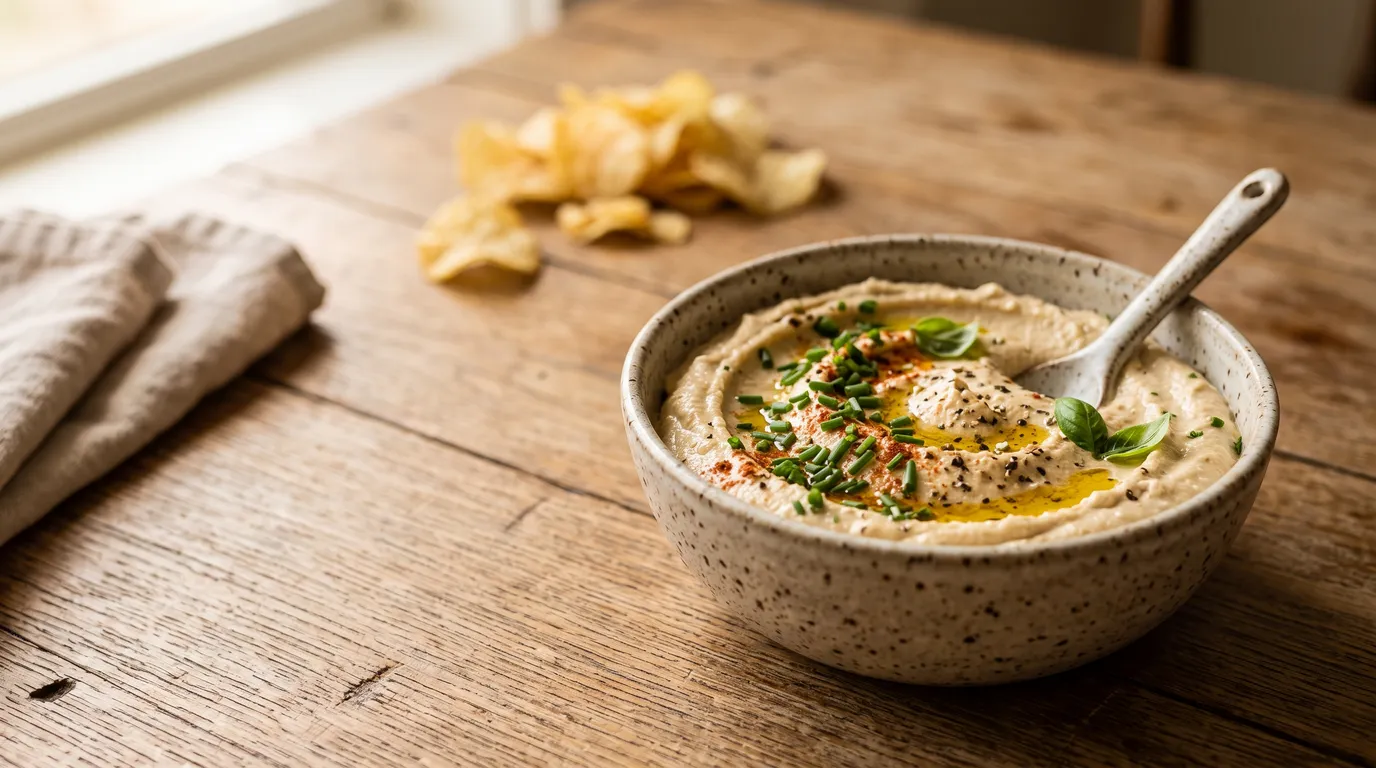
Cashew Cheese Recipe (Creamy Vegan Spread)
Experience the luxurious texture and rich, savory flavor of homemade cashew cheese. This simple, dairy-free recipe transforms raw cashews into a versatile spread or a base for creamy pasta sauces. With just a few ingredients and minimal effort, you can create a wholesome, flavorful alternative that will elevate your appetizers and main dishes alike. Perfect for those seeking a healthy alfredo sauce or a delightful dip, it’s a testament to plant-based deliciousness.
restaurant_menu Ingredients
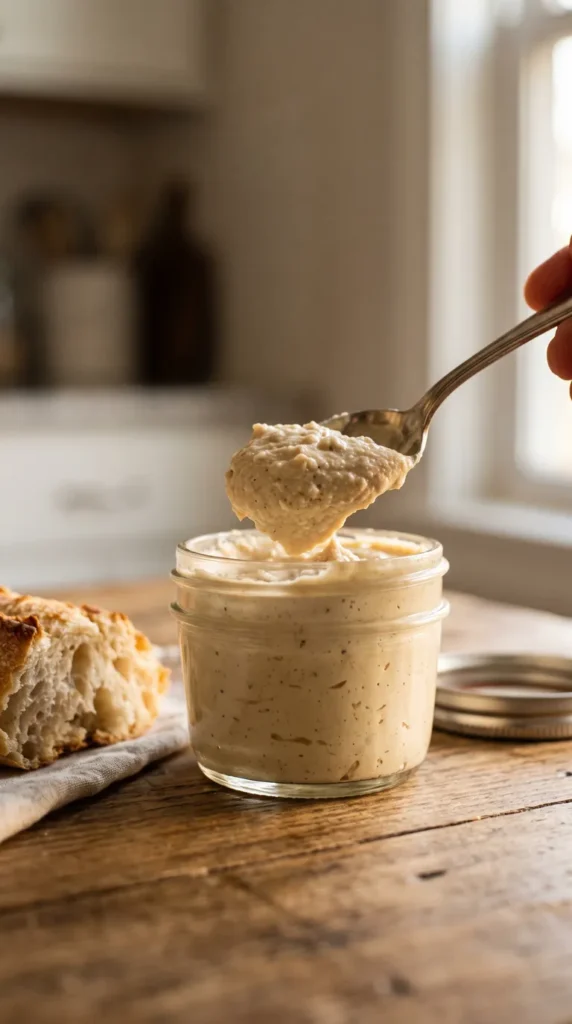
Main Ingredients
hardware Essential Tools
Small bowl
Fine-mesh sieve
Food processor or high-speed blender
Rubber spatula
Airtight container or serving dish
format_list_numbered Preparation
Preparation Steps
Place the raw cashews in a small bowl and cover them completely with warm water; soak for 1 to 2 hours, then drain thoroughly, discarding the soaking water.
Add the soaked cashews, 1/3 cup fresh water, nutritional yeast, lemon juice, salt, and garlic powder to your food processor.
Process on high speed for 1 to 2 minutes, stopping occasionally to scrape down the sides with a spatula, until the mixture is completely smooth and creamy.
Transfer the cashew cheese to a serving dish or airtight container, cover, and refrigerate for at least 1 hour to allow flavors to meld and the cheese to firm up before serving.
favorite You Might Also Love
Browse All arrow_forwardGourmet Jarlsberg Cheese Dip: A Velvety Baked Classic
Explosive Flavor Crack Chicken Pinwheels: Party Ready
Easy Crack Chicken Pinwheels: The Ultimate Party Appetizer
Jalapeño Chicken Dip Recipe (Creamy & Spicy)
Festive Christmas Appetizers Recipe (Easy Holiday Bites)
Mississippi Dip Recipe (Creamy Savory Snack)
Try These Variations
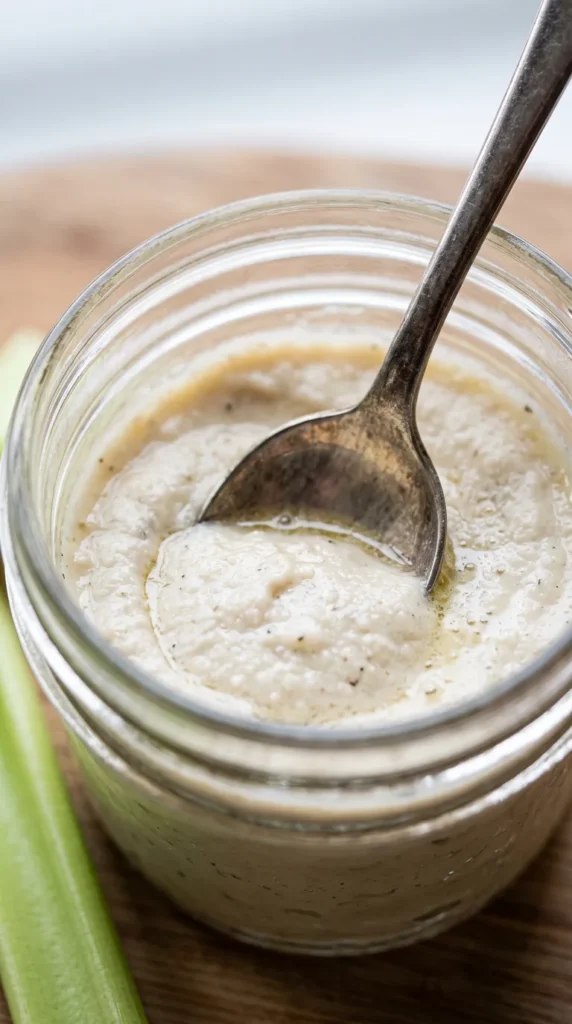
Smoked Paprika Cashew Cheese
For a delightful smoky flavor, add 1/2 teaspoon of smoked paprika along with the other ingredients in the food processor. This adds a beautiful reddish hue and a depth of flavor that’s wonderful for a smoked cream cheese recipe. It pairs exceptionally well with crackers or as a spread in sandwiches, bringing a campfire essence to your dairy-free spread.
Herbaceous Cashew Cheese
Elevate your cashew cheese with fresh herbs. After blending, fold in 2 tablespoons of finely chopped fresh chives, dill, or parsley. This adds a vibrant freshness and visual appeal, making it perfect for serving with crudités or as a topping for baked potatoes. The herbs infuse the cheese with their aromatic qualities, creating a bright and lively flavor profile.
Spicy Cashew Cheese
If you enjoy a little heat, add 1/4 teaspoon of cayenne pepper or a tiny amount of finely minced jalapeño (seeds removed for less heat) to the food processor. This gives the cashew cheese a pleasant kick, making it an exciting dip for vegetable sticks or an adventurous spread for your morning toast. Adjust the amount of spice to your personal tolerance.
Garlic & Herb Cashew Cheese
Boost the garlic flavor and add a touch of dried herbs. Increase the garlic powder to 1/2 teaspoon and add 1/2 teaspoon of dried Italian seasoning or dried oregano. This variation offers a more robust, aromatic profile, reminiscent of a classic Italian herb spread. It’s excellent when used as a base for creamy pasta dishes or spread on toasted baguette slices.
Chef's Pro Tips
Soak Smart, Blend Smooth
The key to a truly silky cashew cheese lies in proper cashew soaking. Soaking for the full 1-2 hours, or even overnight, fully rehydrates the nuts, allowing their internal structure to soften. This ensures that when blended, they break down completely into a smooth emulsion rather than a gritty paste. Think of it as preparing a canvas for a masterpiece – the smoother the base, the better the final product. If your cashews aren’t soft enough, you’ll end up with a grainy texture that no amount of blending can fix.
The Power of Nutritional Yeast
Don’t skimp on the nutritional yeast! This ingredient is your secret weapon for imparting that distinct, savory, umami-rich ‘cheesy’ flavor without any dairy. It’s not just a filler; it’s a flavor powerhouse. The B vitamins present in nutritional yeast contribute to its unique savory profile, which reacts with the cashews and lemon juice to create a truly authentic cheese-like taste. Ensure you’re using fresh nutritional yeast for the best flavor impact.
Balance Your Flavors
Like any great chef, you must taste and adjust. The initial recipe provides a solid foundation, but your palate is the ultimate judge. After the initial blend, taste the cashew cheese. Does it need a little more tang from the lemon juice? A touch more salt to brighten the flavors? Perhaps a whisper more garlic powder for depth? Adjusting these elements to your personal preference is what transforms a good recipe into your signature dish. This is where the artistry of cooking truly comes into play, creating a perfectly balanced flavor profile.
Chill for Optimal Texture
While tempting to dive in immediately, resist! Chilling the cashew cheese for at least an hour is crucial. As it chills, the fats in the cashews solidify slightly, and the flavors have time to meld and deepen. This process results in a firmer, more spreadable texture that is far superior to eating it warm and soft straight from the blender. It’s similar to how a good mousse or dip needs time to set – patience is rewarded with a more refined and enjoyable product.
Storage Guide
Refrigerator Storage
Store your homemade cashew cheese in an airtight container in the refrigerator for up to 5-7 days. To prevent a dry skin from forming on the surface, you can press a piece of plastic wrap directly onto the surface of the cheese before sealing the container. This method maintains its creamy texture and fresh flavor, making it readily available for your next snack or meal. Always ensure the container has a tight-fitting lid to prevent odors from other foods.
Freezer Storage
For longer storage, cashew cheese can be frozen for up to 1 month. Transfer the cheese to a freezer-safe, airtight container, leaving about half an inch of headspace to accommodate any slight expansion during freezing. When you’re ready to use it, thaw the cashew cheese in the refrigerator overnight. While the texture might be slightly softer or a bit grainier after thawing, a quick re-blend in a food processor with a tablespoon of fresh water or lemon juice can often restore its original creaminess and smooth consistency, bringing it back to life.
Avoid These Mistakes
✕ Not Soaking Cashews Long Enough
This is the most frequent culprit behind gritty cashew cheese. If your cashews aren’t fully rehydrated and softened, they won’t break down completely during blending, leaving you with an unpleasant, uneven texture. The cell walls of the nuts need to be thoroughly softened to achieve that silky-smooth consistency. To avoid this, ensure you soak them for the full recommended time, or even longer if you have the patience, especially if your cashews feel hard after the minimum soaking period. Overnight soaking in the refrigerator is a foolproof method.
✕ Over-Watering the Mixture
Adding too much water during the blending process can result in a runny, soupy cashew cheese that lacks the desired thickness and spreadability. It’s always better to start with the specified amount and add more in tiny increments (half a teaspoon at a time) only if absolutely necessary to achieve a smooth blend. Remember, you can always thin it out, but it’s much harder to thicken it without affecting the flavor balance. A runny cashew cheese won’t hold up as well as a dip or spread, making it less versatile.
✕ Not Scraping Down the Sides of the Blender/Food Processor
During blending, especially with thicker mixtures like this, cashew pieces tend to cling to the sides of the container, away from the blades. If you don’t frequently stop and scrape these down, they will remain unblended, leading to an inconsistent texture with small, hard bits of cashew. This interrupts the smooth mouthfeel we’re aiming for. Be diligent and scrape down the sides every 30 seconds or so to ensure everything is thoroughly incorporated and processed evenly.
✕ Skipping the Chilling Step
While the cashew cheese is edible right after blending, skipping the refrigeration step means you miss out on optimal flavor and texture. Chilling allows the flavors to deepen and meld, and the natural fats in the cashews to firm up, resulting in a significantly thicker, more spreadable, and more satisfying consistency. It also improves its stability as a dip or spread. Think of it as a crucial resting period that transforms the components into a cohesive, delicious whole.
nutrition Nutrition Facts
Per serving: 1 serving
Nutritional values are approximate and may vary based on specific ingredient brands and preparation methods. This cashew cheese is naturally dairy-free and gluten-free.
flag Conclusion
And there you have it, my friends – a truly exceptional cashew cheese that will undoubtedly earn a permanent spot in your recipe repertoire. This is more than just a recipe; it’s an invitation to explore the incredible possibilities of plant-based cooking and to savor the joy of creating something truly delicious from scratch. Whether you’re spreading it on a cracker, swirling it into pasta, or sharing it with loved ones, this cashew cheese is a testament to the fact that wholesome ingredients can deliver extraordinary flavor. I encourage you to try it, experiment with it, and make it your own. Happy cooking, and I’ll see you back here at HomeRecipes.com for our next culinary adventure!
sell Related Topics
Frequently Asked Questions
What kind of cashews should I use for cashew cheese? expand_more
Always use raw, unsalted cashews for this recipe. Roasted or salted cashews will significantly alter the flavor profile of your cashew cheese, bringing in unwanted bitterness or excessive saltiness. Raw cashews have a neutral flavor and softer texture when soaked, which is crucial for achieving that smooth, creamy consistency we're looking for. You can usually find them in the bulk section of health food stores or packaged in the nut aisle of most supermarkets.
Can I make cashew cheese without a food processor? expand_more
While a food processor is highly recommended for achieving the silkiest texture, you can absolutely make cashew cheese in a high-speed blender. The key is ensuring your cashews are very well-soaked and possibly adding a tiny bit more liquid, one teaspoon at a time, to help the blades catch if it's too thick. You'll need to stop and scrape down the sides frequently, perhaps more often than with a food processor, to ensure all the cashews are incorporated and blended until perfectly smooth.
How can I customize the flavor of my cashew cheese? expand_more
The beauty of homemade cashew cheese is its adaptability! Beyond the basic recipe, you can experiment with many additions. For a smoky flavor, add a pinch of smoked paprika or a tiny drop of liquid smoke. Fresh herbs like chives, dill, or parsley can be blended in for a herbaceous note. A teaspoon of onion powder or a bit of dried mustard powder can deepen the savory profile. For a spicy kick, a pinch of cayenne pepper or a tiny amount of finely minced jalapeño works wonders. Just remember to add small amounts, taste, and adjust.
My cashew cheese isn't as thick as I'd like. What went wrong? expand_more
If your cashew cheese is too thin, it's likely due to too much liquid. This can happen if your cashews weren't drained thoroughly, or if you added a little extra water during blending. Don't despair! You can try blending in a few more well-soaked (and thoroughly drained) raw cashews, a tablespoon at a time, to thicken it up. Alternatively, chilling it for longer in the refrigerator will often help it firm up considerably. The cashew cheese will naturally thicken as it gets colder.
Is cashew cheese suitable for all dietary needs? expand_more
This cashew cheese recipe is naturally vegan, dairy-free, and gluten-free, making it suitable for a wide range of dietary needs. However, it is not suitable for individuals with nut allergies, specifically cashew allergies. While it's a fantastic alternative to traditional cheese, always be mindful of individual allergies and dietary restrictions when serving it to others. It's a wonderful option for those looking to reduce their dairy intake or explore plant-based eating.
More Recipes You'll Love
Pineapple Cheese Ball Recipe (Sweet & Savory Appetizer)

Sticky Brown Sugar Kielbasa Bites Recipe (Sweet & Savory Appetizer)

Pan-Fried Halloumi Recipe (Crispy & Quick)
Cheesy Crab Roll-Ups Recipe (Classic Appetizer)
Jarlsberg Cheese Dip Recipe (Creamy & Easy Appetizer)
Community Kitchen