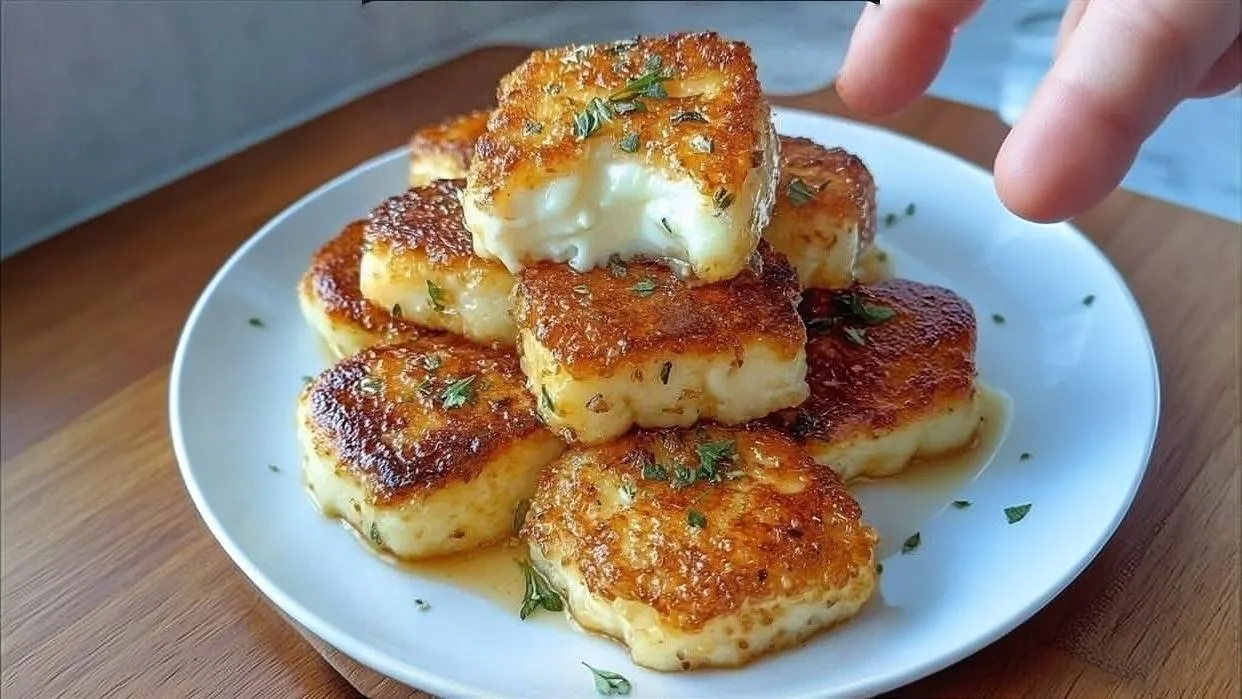
Pan-Fried Halloumi Recipe (Crispy & Quick)
Unlock the simple joy of perfectly crispy pan-fried halloumi with this incredible 3-ingredient recipe. Chef HomeRecipes reveals the secrets to achieving a golden, savory crust and a warm, soft, and delightfully squeaky interior every single time. This versatile Mediterranean cheese transforms into a gourmet experience in minutes, ideal for a quick appetizer, a vibrant salad topping, or a flavorful component in your favorite wraps. Prepare to elevate your home cooking with this easy-to-master pan-fried halloumi.
restaurant_menu Ingredients
Main Ingredients
hardware Essential Tools
Cutting board
Sharp chef's knife
Paper towels
Large heavy-bottomed skillet (cast iron or stainless steel recommended)
Tongs or spatula
Serving plate
format_list_numbered Preparation
Preparation
Remove the halloumi block from its brine packaging and pat it thoroughly dry on all sides with paper towels; this is crucial for a crispy crust. Slice the halloumi into even 1/4-inch thick pieces.
Place a large, heavy-bottomed skillet over medium heat and allow it to preheat for 2-3 minutes until hot. Add 1-2 tablespoons of olive oil to the hot skillet, swirling to coat the bottom evenly; the oil should shimmer but not smoke.
Carefully place the halloumi slices into the hot skillet in a single layer, ensuring they are not touching each other to allow for proper browning. Cook for 2-3 minutes per side, or until each side is beautifully golden brown and crispy.
Once the halloumi is golden and crispy on both sides, remove it from the skillet and transfer it immediately to a serving plate. Generously squeeze fresh lemon juice over the top of the hot cheese and serve immediately while warm.
favorite You Might Also Love
Browse All arrow_forward
Classic Dill Dip Recipe (Creamy & Easy Appetizer)
Decadent Crab Crescent Bites Delight: Ultimate Party Appetizer
Cheesy Crab Roll-Ups Recipe (Classic Appetizer)

Restaurant-Quality Baked Creamy Crab Dip

Nacho Egg Rolls Recipe (Crispy & Cheesy)
Ultimate Sizzler Cheese Toast: Restaurant Flavor at Home
Try These Variations
Herb-Crusted Pan-Fried Halloumi
Before frying, lightly dust the dried halloumi slices with a blend of dried Mediterranean herbs such as oregano, thyme, and a hint of rosemary. The herbs will toast in the hot oil, releasing their aromatic compounds and creating an extra layer of savory flavor and visual appeal that perfectly complements the salty cheese. This elevates the pan-fried halloumi to a more sophisticated appetizer.
Spicy Chili Pan-Fried Halloumi
For those who love a kick, sprinkle a pinch of red chili flakes over the halloumi slices just before placing them in the hot pan. The heat from the pan will gently toast the chili flakes, infusing the pan-fried halloumi with a warm, subtle spice that awakens the palate without overwhelming the cheese’s natural saltiness. Adjust the amount of chili flakes to your preferred level of heat.
Sweet & Salty Honey Drizzle
After pan-frying and just before serving, drizzle a small amount of high-quality local honey or agave nectar over the hot halloumi slices. The natural sweetness provides a delightful contrast to the inherent saltiness of the cheese, creating a complex flavor profile that is both comforting and intriguing. This variation is particularly good when serving pan-fried halloumi with fresh fruit.
Garlic-Infused Pan-Fried Halloumi
To add a rich, aromatic depth, crush one or two cloves of fresh garlic and add them to the olive oil in the skillet just before adding the halloumi. Cook the garlic for about 30 seconds until fragrant, then remove it to prevent burning before adding the cheese. The garlic will subtly infuse the oil, imparting a delicious savory undertone to your pan-fried halloumi slices without overpowering them.
Sesame-Crusted Pan-Fried Halloumi
For a nutty flavor and added texture, gently press the halloumi slices into a shallow dish of sesame seeds on one or both sides before frying. The sesame seeds will toast to a golden-brown in the pan, adding a delightful crunch and a distinct nutty aroma that pairs beautifully with the salty, soft interior of the pan-fried halloumi. This variation offers a unique textural dimension.
Chef's Pro Tips
Always Dry Your Halloumi Thoroughly
This is my number one rule for achieving that perfect crispy crust. Moisture on the surface of the cheese will cause it to steam rather than sear, preventing the Maillard reaction from occurring. Patting the halloumi slices meticulously dry with paper towels ensures a direct heat transfer, leading to a golden-brown, crunchy exterior and a beautifully soft interior. It’s a small step that yields huge results for your pan-fried halloumi.
Control Your Heat
Medium is Your Friend: Cooking pan-fried halloumi over medium heat is crucial. Too low, and the cheese will release its moisture slowly, drying out and becoming chewy before it develops a crust. Too high, and the exterior will burn quickly, leaving the inside cold and hard. Medium heat allows the cheese to gradually soften internally while the exterior slowly caramelizes to a beautiful golden brown, ensuring even cooking and optimal texture.
Don’t Overcrowd the Skillet
This is a common mistake that hinders proper searing. When you overcrowd the pan, the temperature drops significantly, and the moisture released from the cheese has nowhere to escape, creating steam. This steaming environment prevents the pan-fried halloumi from developing that desired crispy crust. Always cook in batches, leaving ample space between each slice, to maintain consistent heat and achieve maximum crispness.
The Magic of a Fresh Lemon Squeeze
A generous squeeze of fresh lemon juice over the hot, freshly pan-fried halloumi is not just for flavor; it’s a culinary balance act. The acidity of the lemon cuts through the richness and saltiness of the cheese, brightening the overall flavor profile and preventing it from feeling too heavy. It adds a vibrant, zesty finish that elevates the dish and makes each bite of pan-fried halloumi more refreshing and complex.
Serve Immediately for Optimal Texture
Pan-fried halloumi is a dish that truly shines when served straight from the skillet. As it cools, the cheese’s texture begins to change, becoming firmer and losing that unique ‘squeaky’ quality and soft interior. To experience the perfect contrast of a crispy, hot exterior and a warm, tender inside, ensure your serving plates are ready and your guests are waiting the moment the pan-fried halloumi comes off the heat.
Storage Guide
Refrigerator Storage (Short-Term)
Pan-fried halloumi is best enjoyed fresh, but if you have leftovers, allow them to cool completely to room temperature before storing. Place the cooled slices in a single layer in an airtight container lined with a paper towel to absorb any residual moisture. Store in the refrigerator for up to 2 days. Beyond this timeframe, the texture will significantly degrade, becoming much firmer and less appealing. This method helps prevent bacterial growth by ensuring rapid cooling and a sealed environment.
Reheating in a Skillet (Recommended)
To restore some of the pan-fried halloumi’s original crispness, the best method is to reheat it in a dry skillet over medium heat. Place the cold slices in the un-oiled pan and heat for 1-2 minutes per side, or until warmed through and the exterior begins to re-crisp. The goal is to gently warm the cheese while evaporating surface moisture to bring back some textural integrity, ensuring it’s hot but not overcooked. This method helps maintain a pleasant texture compared to microwaving.
Reheating in Toaster Oven or Air Fryer
For a hands-off reheating option, a toaster oven or air fryer works well. Preheat either appliance to 350°F (175°C). Arrange the pan-fried halloumi slices in a single layer and heat for 3-5 minutes, flipping once halfway through, until they are hot and have regained some crispness. This dry heat method helps prevent the rubbery texture that can result from microwave reheating, aiming to mimic the initial frying process as closely as possible to retain flavor and texture.
Avoid These Mistakes
✕ Not Drying the Halloumi
The most frequent error I see in home kitchens is skipping the crucial step of thoroughly drying the halloumi. Any residual moisture on the cheese’s surface will cause it to steam in the hot pan instead of searing. This prevents the Maillard reaction—the chemical process responsible for that delicious browning and flavor development—from occurring, resulting in a soft, soggy exterior rather than a desirable crispy crust. Always pat your halloumi meticulously dry with paper towels before frying.
✕ Overcrowding the Pan
It’s tempting to try and cook all the halloumi at once, but overcrowding the pan is detrimental. When too many slices are added, the pan’s temperature drops drastically, and the moisture released from the cheese gets trapped, creating a steaming effect. This inhibits browning and crisping, leading to limp, unevenly cooked pan-fried halloumi. Always cook in batches, ensuring each slice has enough space to make direct contact with the hot surface and achieve that beautiful golden crust.
✕ Using Too High or Too Low Heat
Incorrect heat management is another common pitfall. If the heat is too high, the halloumi will burn on the outside before the interior has a chance to soften, resulting in a charred exterior and a hard, uncooked center. Conversely, if the heat is too low, the cheese will slowly dry out, becoming tough and rubbery without developing a crispy crust. Medium heat is the sweet spot, allowing for gradual softening of the interior and even, golden-brown crisping of the exterior for perfect pan-fried halloumi.
✕ Overcooking the Halloumi
While halloumi doesn’t melt like other cheeses, it can certainly be overcooked. Beyond the point of a golden-brown crust and soft interior, continued cooking will cause the cheese to lose too much moisture, making it increasingly rubbery and tough. The goal is a lightly crisped exterior and a warm, tender, slightly ‘squeaky’ center. Keep a close eye on it, cooking for just 2-3 minutes per side, and remove it from the pan as soon as it achieves that perfect balance.
✕ Not Serving Immediately
Pan-fried halloumi is a dish that has a very short peak window of perfection. As it cools, the crispy exterior softens, and the soft, warm interior firms up, losing its desirable texture. Waiting even a few minutes can significantly diminish the eating experience. To truly appreciate the contrast of textures and flavors, ensure it’s transferred from the pan directly to the serving plate and enjoyed immediately while still hot and at its absolute best.
nutrition Nutrition Facts
Per serving: 1 serving
Nutritional values are approximate and may vary based on specific ingredients and preparation methods. This calculation is for one serving of pan-fried halloumi.
flag Conclusion
And there you have it, a truly magnificent pan-fried halloumi recipe that brings the essence of Mediterranean cuisine right into your American kitchen. With its irresistible crispy golden crust and soft, savory interior, this cheese is a testament to how simple ingredients, handled with a little chef’s insight, can create extraordinary results. Whether you’re whipping it up for a quick snack, a stunning appetizer, or a flavorful addition to your favorite salad, this pan-fried halloumi is guaranteed to impress.
I encourage you to try this recipe, embrace the joy of cooking, and savor every delicious bite. Share your creations with us at HomeRecipes.com – we love seeing what you make! Happy cooking!
sell Related Topics
Frequently Asked Questions
What makes halloumi cheese unique for frying? expand_more
Halloumi cheese possesses a remarkably high melting point, which is its defining characteristic for cooking applications like pan-frying or grilling. Unlike most other cheeses that would simply melt into a liquid puddle when exposed to direct heat, halloumi retains its shape. This is due to its unique production process, which involves heating the curd after it separates from the whey, and then pressing and brining it. This process alters the protein structure, making it incredibly resilient to heat. When pan-fried, the exterior undergoes the Maillard reaction, developing a beautiful golden-brown, crispy crust, while the interior softens and becomes creamy and delicious, without ever losing its structural integrity. This combination of a firm yet soft texture is what makes pan-fried halloumi so appealing and distinct.
Can I use a different type of oil for pan-frying halloumi? expand_more
Absolutely, while extra virgin olive oil is my top recommendation for its flavor and appropriate smoke point, you certainly have other options for pan-frying halloumi. Good alternatives include grapeseed oil, avocado oil, or even a neutral vegetable oil. These oils have higher smoke points than olive oil, making them suitable for medium-high heat cooking without burning. However, they are generally flavorless, meaning you'll miss out on the subtle fruity and peppery notes that olive oil imparts, which beautifully complement the salty halloumi. If you do use a neutral oil, you might want to consider adding a touch more seasoning or a squeeze of lemon to brighten the overall profile of your pan-fried halloumi.
My halloumi didn't get crispy. What went wrong? expand_more
If your pan-fried halloumi didn't achieve that coveted crispy exterior, there are a few common culprits I've encountered in my years as a chef. The most frequent issue is insufficient drying of the cheese before frying. Any moisture on the surface will cause the cheese to steam rather than sear, preventing the Maillard reaction and resulting in a soft, rather than crispy, crust. Ensure you pat the slices thoroughly dry with paper towels. Another common mistake is not getting the pan hot enough, or overcrowding the pan. A skillet that isn't sufficiently preheated, or one packed with too many slices, will cause the temperature to drop and again, lead to steaming. Always use medium heat and cook in batches if necessary, giving each piece ample space to brown beautifully.
Can I prepare halloumi ahead of time? expand_more
While you can slice halloumi ahead of time and store it in an airtight container in the refrigerator for up to 24 hours, pan-frying it in advance is not recommended. The magic of pan-fried halloumi lies in its immediate consumption, right after it comes off the heat. As it cools, the cheese loses its delightful crispy exterior and soft, warm, 'squeaky' interior, becoming firmer and less appealing. It's a dish that truly benefits from being served fresh. If you're planning a dinner party, I suggest doing all the prep work – slicing, drying, and having your skillet ready – so you can fry the halloumi just minutes before serving to ensure the best possible texture and flavor for your guests.
Is halloumi a healthy cheese option? expand_more
Halloumi can be considered a relatively healthy cheese option, especially when consumed in moderation as part of a balanced diet. It is a good source of protein and calcium, which are essential for muscle repair and bone health, respectively. However, like most cheeses, it is also relatively high in sodium and saturated fat. When pan-frying, the addition of olive oil contributes healthy monounsaturated fats, but it also adds to the calorie count. To keep it on the healthier side, you can use a minimal amount of oil for frying, or even grill it without oil. Pairing pan-fried halloumi with fresh vegetables, salads, or lean protein sources helps create a well-rounded and nutritious meal. Always be mindful of portion sizes to enjoy halloumi's benefits without overdoing it on sodium and fat.
More Recipes You'll Love

Banana Pudding Cups Recipe (No-Bake Dessert)
Restaurant-Quality Baked Creamy Crab Dip
Mississippi Dip Recipe (Creamy Savory Snack)

Crispy Crab Rangoon Egg Rolls: Ultimate Appetizer Upgrade
Cheesy Crab Roll-Ups Recipe (Classic Appetizer)
Community Kitchen