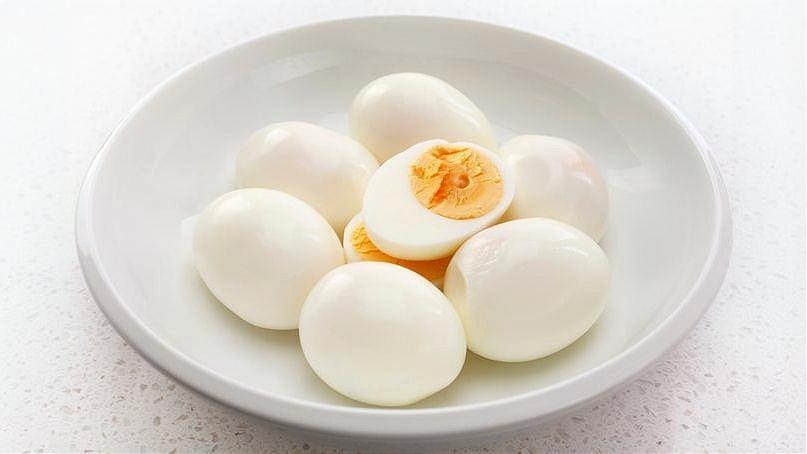
Hard-Boiled Eggs Recipe (Perfect Every Time)
Discover the foolproof method for making perfectly peelable hard-boiled eggs with creamy, vibrant yolks every time. This chef-approved technique ensures consistent results, preventing green rings and rubbery whites. Learn essential storage tips to maximize freshness and confidently answer the question of how long do boiled eggs last in your refrigerator, making them a convenient and healthy addition to your meal prep.
restaurant_menu Ingredients
Main Ingredients
For the Ice Bath
hardware Essential Tools
Heavy-bottomed saucepan with lid
Large bowl
Slotted spoon
Kitchen timer
format_list_numbered Preparation
Preparation
Gently place eggs in a single layer at the bottom of a heavy-bottomed saucepan. Be careful not to crack them.
Pour cold tap water over the eggs until they are covered by at least 1 inch. Add the kosher salt to the water.
Place the saucepan over high heat on your stovetop and bring the water to a full, rolling boil.
As soon as the water reaches a vigorous boil, immediately remove the saucepan from the heat and cover it tightly with a lid.
Let the eggs stand in the hot water for 10-12 minutes for a firm, hard-boiled yolk. Adjust time for desired doneness (6-7 minutes for runny, 8-9 minutes for creamy).
While the eggs are resting, prepare an ice bath by filling a large bowl with ice cubes and cold water.
Using a slotted spoon, carefully transfer the cooked eggs from the hot water directly into the ice bath. Let them cool completely for at least 5 minutes.
Once thoroughly chilled, gently tap the larger end of the egg on a hard surface, then roll it to create small cracks all over the shell.
Peel the eggs under cool running water, allowing the water to help separate the membrane from the egg white.
Serve immediately or store as recommended.
favorite You Might Also Love
Browse All arrow_forward

Try These Variations
Soft-Boiled Eggs
For a runny yolk, reduce the resting time in hot water to 6-7 minutes before transferring to the ice bath. This is perfect for dipping toast soldiers or adding a luxurious touch to ramen. The whites will be set, but the yolk will remain wonderfully liquid, offering a delightful contrast in texture.
Medium-Boiled Eggs
If you prefer a creamy, slightly jammy yolk that’s not fully firm, aim for 8-9 minutes of resting time. This consistency is fantastic for salads, where the yolk can mingle with the dressing, or for topping grain bowls. It’s a versatile middle ground between runny and firm.
Seasoned Hard-Boiled Eggs
Before serving, consider sprinkling your peeled hard-boiled eggs with a gourmet sea salt blend, a dash of smoked paprika, or a pinch of everything bagel seasoning for an extra flavor kick. This elevates a simple snack into something more exciting and can be done to individual eggs as you eat them.
Pickled Hard-Boiled Eggs
For a tangy twist, peel your hard-boiled eggs and submerge them in a brine of vinegar, water, salt, sugar, and pickling spices (like dill, mustard seeds, and peppercorns). Store them in the refrigerator for at least 3-4 days to allow the flavors to meld. They make a fantastic, piquant snack or addition to charcuterie boards, and can last for several weeks in the fridge.
Chef's Pro Tips
Always Start with Cold Water
Beginning with cold water and bringing it to a boil with the eggs ensures even cooking. If you drop eggs into already boiling water, the sudden temperature shock can cause them to crack and cook unevenly, leading to rubbery whites and inconsistent yolks. This gradual heating helps stabilize the egg’s internal structure.
Don’t Skip the Ice Bath
This step is non-negotiable for two critical reasons: it immediately stops the cooking process, preventing overcooked yolks with green rings, and the rapid temperature change helps the egg white contract, pulling away from the shell membrane, which makes peeling significantly easier. Without it, you’re battling stubborn shells.
Use a Slotted Spoon for Transfer
When moving eggs from hot water to the ice bath, a slotted spoon or spider strainer is your best friend. It minimizes the risk of dropping and cracking the hot, delicate shells, ensuring your perfectly cooked eggs remain intact and beautiful. This small tool prevents unnecessary breakage and frustration.
Peel Under Running Water
If you find an egg still a bit stubborn to peel, try doing it under a gentle stream of cool running water. The water helps to get under the membrane, loosening its grip on the egg white and washing away any small shell fragments, resulting in a cleaner, smoother peeled egg.
Storage Guide
Unpeeled Hard-Boiled Eggs (Refrigerator)
Store unpeeled hard-boiled eggs in their shells in an airtight container in the coldest part of your refrigerator, typically the back of the top shelf. This method protects them from absorbing odors from other foods and maintains their freshness. They will remain good for up to 7 days. Labeling with the date cooked is a good practice.
Peeled Hard-Boiled Eggs (Refrigerator)
For peeled hard-boiled eggs, place them in an airtight container and cover them with a damp paper towel to prevent them from drying out. Alternatively, you can submerge them completely in a bowl of cold water, changing the water daily. Peeled eggs are best consumed within 5 days for optimal taste and texture.
Freezing Hard-Boiled Egg Yolks
While freezing whole hard-boiled eggs is not recommended due to texture changes in the whites, you can successfully freeze the yolks. Separate the yolks from the whites, place them in a single layer in an airtight freezer-safe container or bag, and they can be stored for up to 3 months. Thawed yolks are excellent for garnishes or additions to sauces.
Avoid These Mistakes
✕ Using Very Fresh Eggs
This is the most common culprit for difficult-to-peel eggs. Fresh eggs have a lower pH, causing the inner membrane to cling tightly to the shell. To avoid this, always opt for eggs that are at least a week old; their pH will have increased, allowing for easier separation and a smoother peeling experience. It’s a simple change that makes a huge difference.
✕ Overcrowding the Pot
Stuffing too many eggs into a small pot can lead to uneven cooking and cracked shells. When eggs bump against each other during boiling, they’re more prone to breaking. Cook eggs in a single layer, ensuring enough space for water to circulate freely around each one, promoting uniform cooking and preventing accidental damage.
✕ Overcooking the Eggs
Leaving eggs in hot water for too long results in rubbery whites and that unappetizing greenish-gray ring around the yolk. This discoloration is a harmless chemical reaction, but it affects texture and appearance. Stick to the recommended cooking times and always use an immediate ice bath to halt the cooking process precisely.
✕ Not Using an Ice Bath
Skipping the ice bath is a critical error. Without the rapid cooling, the eggs continue to cook from residual heat, leading to overcooked yolks. More importantly, the sudden temperature shock from hot to ice-cold water is what causes the egg white to contract and pull away from the shell, making peeling significantly easier.
nutrition Nutrition Facts
Per serving: 1 egg
Nutritional values are approximate and may vary based on specific ingredient brands and preparation methods.
flag Conclusion
And there you have it, my friends! The ultimate guide to preparing and storing perfect hard-boiled eggs. No more rubbery whites or stubborn shells, just creamy yolks and tender whites, every single time. Knowing how long do boiled eggs last empowers you to enjoy this versatile ingredient throughout your week, adding a healthy protein boost to any meal. This simple technique, once mastered, will become a valuable tool in your culinary repertoire, allowing you to create countless delicious dishes with confidence. So go forth, boil those eggs, and savor the satisfaction of a job well done. Happy cooking from my kitchen to yours, here at HomeRecipes.com!
sell Related Topics
Frequently Asked Questions
How long do hard-boiled eggs last in the refrigerator? expand_more
Unpeeled hard-boiled eggs, when properly stored in an airtight container in the coldest part of your refrigerator, will last for up to 7 days. Once peeled, their shelf life shortens slightly to about 5 days. It's crucial to cool them quickly in an ice bath after cooking and refrigerate them promptly to ensure safety and quality. Always trust your senses; if an egg smells off or has a slimy texture, it's best to discard it.
Can I tell if a hard-boiled egg has gone bad? expand_more
Yes, you can. The most reliable indicator is the smell; a spoiled hard-boiled egg will emit a distinct, strong, sulfurous odor, much like rotten eggs. You might also notice a slimy or powdery texture on the shell or white if it's peeled. If there's any doubt, it's always safer to err on the side of caution and dispose of the egg rather than risk consuming something that could make you ill. Remember, knowing how long do boiled eggs last helps you avoid this situation.
What causes the green ring around the yolk, and how can I prevent it? expand_more
The green-gray ring that sometimes forms around the yolk of a hard-boiled egg is a harmless but unappetizing result of overcooking. It occurs when sulfur in the egg white reacts with iron in the yolk, creating iron sulfide. To prevent this, ensure you don't overcook your eggs. The 'off-heat' method described in this recipe, followed by an immediate ice bath, is the best way to achieve perfectly cooked yolks without any discoloration.
Why are my hard-boiled eggs difficult to peel? expand_more
Difficulty in peeling hard-boiled eggs is usually due to using very fresh eggs and/or not cooling them rapidly enough in an ice bath. Fresh eggs have a lower pH, which causes the inner membrane to adhere more tightly to the shell. As eggs age, their pH increases, making the membrane easier to separate. Always use eggs that are at least a week old, and never skip the ice bath. The sudden temperature change causes the egg white to contract, pulling away from the shell and making peeling a breeze.
Can I freeze hard-boiled eggs? expand_more
While you can technically freeze hard-boiled eggs, it's generally not recommended for whole eggs, especially the whites. Upon thawing, the whites tend to become watery, rubbery, and unpleasantly textured. The yolks, however, freeze much better and can be used for garnishes or other preparations. If you wish to freeze yolks, separate them from the whites, place them in an airtight container, and they can be frozen for up to 3 months. For best results, it's always better to enjoy hard-boiled eggs fresh from the refrigerator within their recommended storage time.
More Recipes You'll Love

Ultimate Ground Beef Tortilla Wraps Mastery
King Cake Inspired New Orleans Baked Mac and Cheese
Fork-Tender Slow Cooker BBQ Ribs Mastery
Ultimate Sheet Pan Parmesan Chicken Dinner Recipe

Community Kitchen