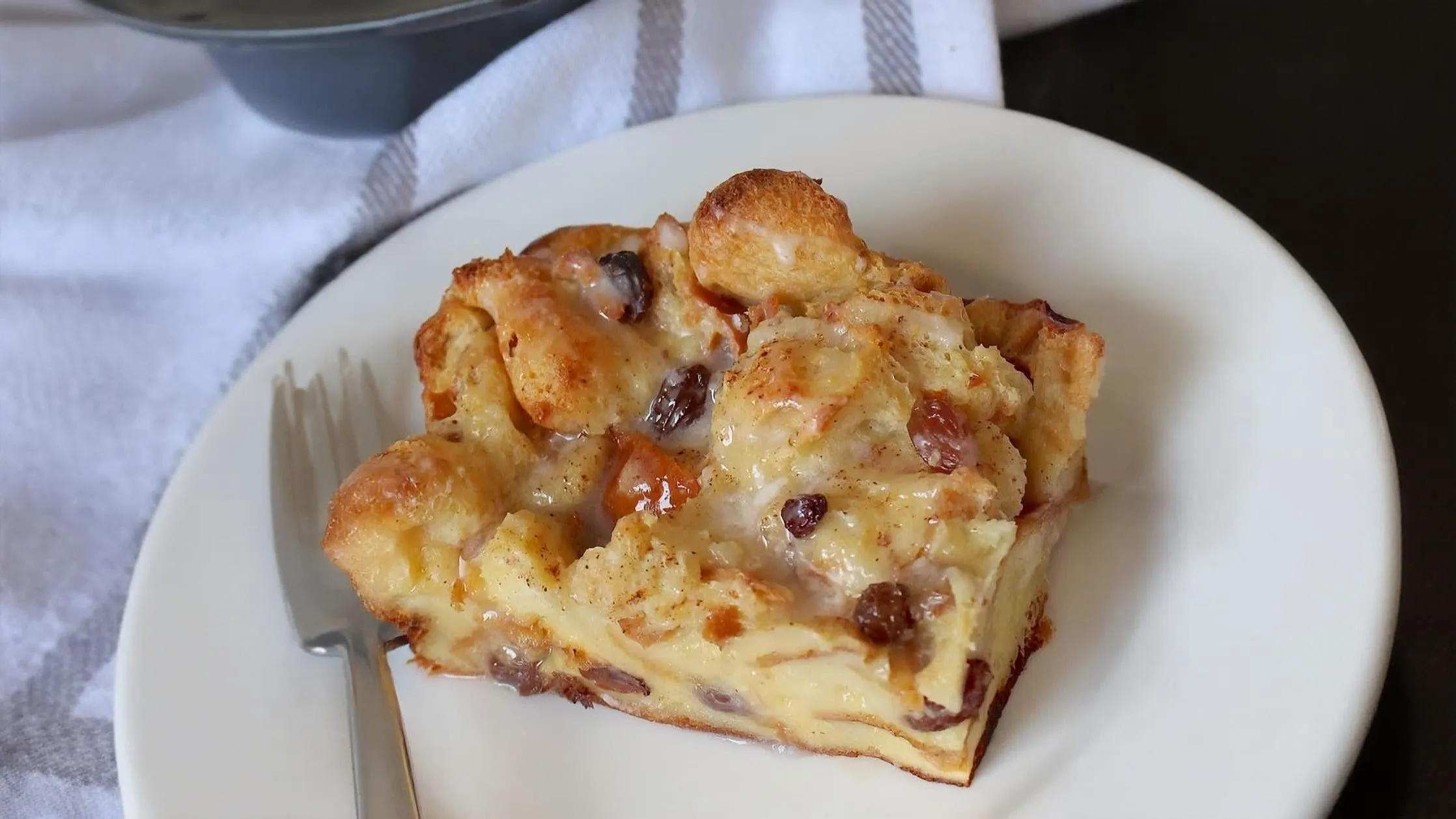
Cinnamon Raisin Bread Pudding Recipe (Custard-Rich & Cozy)
Dive into the comforting embrace of our Cinnamon Raisin Bread Pudding Recipe, a culinary masterpiece perfected for the home cook. This recipe transforms humble stale challah into a rich, custardy dessert, with each bite offering plump, cinnamon-infused raisins and a velvety texture that melts in your mouth. Finished with a delicate vanilla-cinnamon glaze, it’s the ultimate cozy treat, embodying warmth, tradition, and pure indulgence. Perfect for any occasion, it promises to be a cherished addition to your dessert repertoire.
restaurant_menu Ingredients
For the Bread Pudding
For the Plumped Raisins
For the Cinnamon Glaze
hardware Essential Tools
9x13-inch baking dish
Small saucepan
Large mixing bowl
Whisk
Measuring cups and spoons
Spatula
Aluminum foil
format_list_numbered Preparation
Getting Started
Preheat your oven to 350°F (175°C). Thoroughly grease a 9x13-inch baking dish with butter or non-stick cooking spray, ensuring all corners are covered to prevent sticking for your Cinnamon Raisin Bread Pudding Recipe.
In a small saucepan, combine the raisins, water, 2 tablespoons of unsalted butter, and 1 teaspoon of ground cinnamon. Bring this mixture to a gentle boil over medium-high heat. Continue cooking for about 5-7 minutes, stirring occasionally, until the raisins have visibly plumped up and softened, then remove from heat and set aside (do not drain the liquid).
Mixing the Custard and Soaking the Bread
In a large mixing bowl, whisk together the 5 large eggs, 2 cups of whole milk, 2 cups of heavy cream, 1 tablespoon of pure vanilla extract, 1/2 cup of white granulated sugar, and 1 tablespoon of ground cinnamon until well combined and smooth.
Add the plumped raisins along with their cooking liquid to the egg mixture, stirring to incorporate.
Add the cubed stale challah bread to the bowl. Use a spatula or your hands to gently fold and press the bread into the custard mixture, ensuring all pieces are fully saturated. Let the mixture rest for 10-15 minutes, allowing the bread to absorb the liquid thoroughly.
Baking and Glazing
Transfer the soaked bread mixture into the prepared 9x13-inch baking dish, spreading it evenly. Cover the dish tightly with aluminum foil.
Bake for 50 minutes in the preheated oven. After 50 minutes, carefully remove the foil and continue baking for an additional 10-15 minutes, or until the top is golden brown and a knife inserted into the center comes out mostly clean.
While the bread pudding cools slightly, prepare the glaze: In a small bowl, whisk together the powdered sugar, 1 teaspoon of pure vanilla extract, 2 tablespoons of whole milk, and 1/2 teaspoon of ground cinnamon until smooth and pourable.
Once the bread pudding has cooled for about 10-15 minutes, generously drizzle the cinnamon glaze over the top. Serve warm and savor every comforting bite of your Cinnamon Raisin Bread Pudding Recipe!
favorite You Might Also Love
Browse All arrow_forwardFudgy Chocolate Brownie with Condensed Milk
Golden Pineapple Bake Recipe: Tropical Comfort
Elevate Tea Time: Decadent Matcha Cake Recipe
Effortless Two-Ingredient Lemon Bars: Sunshine in Every Bite
Effortless Two Ingredient Lemon Bars Mastery
Effortless No Bake German Chocolate Pie Masterpiece
Try These Variations
Apple Cinnamon Bread Pudding
For a delightful autumnal twist on this Cinnamon Raisin Bread Pudding Recipe, finely dice 1 cup of Granny Smith apples and sauté them briefly in 1 tablespoon of butter with an extra pinch of cinnamon until slightly softened, about 5 minutes. Fold these sautéed apples into the bread and custard mixture along with the plumped raisins. The tartness of the apples will provide a wonderful contrast to the sweet custard, adding another layer of flavor and texture to your bread pudding.
Nutty Swirl Bread Pudding
Introduce a delightful crunch and nutty flavor by adding 1/2 cup of toasted chopped pecans or walnuts to your Cinnamon Raisin Bread Pudding Recipe. You can fold them directly into the bread and custard mixture before baking. Alternatively, sprinkle them on top during the last 10 minutes of baking to prevent them from sinking and to ensure they get beautifully toasted and fragrant, adding a fantastic textural element.
Chocolate Chip Bread Pudding
Transform this classic into a chocolate lover’s dream by stirring in 1/2 cup of mini semi-sweet chocolate chips along with the raisins. The chocolate will melt into gooey pockets throughout the pudding, creating a rich and decadent experience. For an even more intense chocolate flavor, you could use a mix of dark and milk chocolate chips, making this Cinnamon Raisin Bread Pudding Recipe truly irresistible for chocoholics.
Coconut Cardamom Bread Pudding
For an exotic flavor profile, swap out 1/4 cup of the heavy cream for full-fat coconut milk and add 1/2 teaspoon of ground cardamom to the custard mixture. You can also toast 1/4 cup of shredded unsweetened coconut flakes and sprinkle them over the top before baking, or incorporate them directly into the bread mixture. This variation introduces a beautifully aromatic and tropical essence to your Cinnamon Raisin Bread Pudding Recipe.
Chef's Pro Tips
Use Stale Bread for Best Texture
This is my number one tip for any bread pudding! Fresh bread is too soft and will disintegrate into mush when soaked in the custard, leading to a soggy, unappealing texture. Stale bread, which has lost some moisture, acts like a sponge, absorbing the custard beautifully while maintaining its structure, resulting in that perfect custardy yet firm consistency. If your bread isn’t stale, you can cube it and dry it out in a 250°F (120°C) oven for 15-20 minutes.
Don’t Overmix the Custard
When whisking the eggs and dairy, mix just until combined. Overmixing can incorporate too much air, leading to a frothy custard that might develop a slightly crumbly texture instead of the silky smooth result you’re aiming for. A gentle, but thorough whisking is all you need to ensure all ingredients are homogenous for this Cinnamon Raisin Bread Pudding Recipe.
The Importance of a Water Bath (Bain-Marie)
For an ultra-creamy and evenly cooked bread pudding, consider baking it in a water bath. Place your 9×13-inch baking dish inside a larger roasting pan, then fill the roasting pan with hot water halfway up the sides of your baking dish. This gentle, moist heat ensures the custard cooks slowly and evenly, preventing the edges from overcooking or becoming rubbery, resulting in the silkiest Cinnamon Raisin Bread Pudding Recipe imaginable.
Test for Doneness Correctly
To truly know if your bread pudding is done, don’t just rely on visual cues. Insert a thin knife or skewer into the center of the pudding. It should come out mostly clean with just a few moist crumbs attached. If it’s still very wet or liquidy, it needs more time. An internal temperature of 170-175°F (77-79°C) in the center indicates perfect doneness, ensuring a safe and delicious Cinnamon Raisin Bread Pudding Recipe.
Let it Rest Before Serving
While it’s tempting to dive right in, allowing the bread pudding to rest for 10-15 minutes after it comes out of the oven is crucial. This resting period allows the custard to fully set and firm up, making it easier to slice and preventing it from falling apart. It also allows the flavors to meld and deepen, enhancing the overall enjoyment of your Cinnamon Raisin Bread Pudding Recipe.
Storage Guide
Room Temperature
While delicious, this Cinnamon Raisin Bread Pudding Recipe, due to its dairy and egg content, should not be left at room temperature for more than 2 hours. Any longer risks bacterial growth, especially in warmer environments. If you’ve just baked it and plan to serve it within this timeframe, it’s perfectly fine to keep it covered on the counter. However, for extended storage, refrigeration is essential to maintain food safety and quality.
Refrigerator
To store your Cinnamon Raisin Bread Pudding Recipe in the refrigerator, first allow it to cool completely to room temperature. This prevents condensation from forming inside the container, which can lead to a soggy texture. Once cool, transfer the pudding to an airtight container or cover the baking dish tightly with plastic wrap or aluminum foil. It will stay fresh and delicious for 3-4 days. To reheat, individual portions can be microwaved for 30-60 seconds until warm, or a larger portion can be covered with foil and baked in a 300°F (150°C) oven for 15-20 minutes.
Freezer
This Cinnamon Raisin Bread Pudding Recipe freezes exceptionally well. To freeze, ensure the pudding is completely cooled. Cut it into individual serving-sized portions. Wrap each portion tightly first in plastic wrap, then again in aluminum foil to prevent freezer burn. Place the wrapped portions in a freezer-safe bag or container. It can be stored in the freezer for up to 2 months. To enjoy, thaw individual portions overnight in the refrigerator, then reheat using the microwave or oven methods described above until warmed through and delicious.
Avoid These Mistakes
✕ Using Fresh Bread
A common pitfall for this Cinnamon Raisin Bread Pudding Recipe is using fresh, soft bread. Fresh bread has too much moisture and will quickly turn into a soggy, unappetizing mess when soaked in the custard. Always use stale bread (day-old is perfect) so it can properly absorb the liquid while maintaining its structure, leading to a custardy, not mushy, texture. If you only have fresh bread, cube it and bake it at 250°F (120°C) for 15-20 minutes until slightly dried out.
✕ Not Plumping the Raisins
Simply adding dry raisins to the custard mixture will result in hard, chewy bits that detract from the overall texture of your Cinnamon Raisin Bread Pudding Recipe. Plumping them in hot liquid, as instructed, rehydrates them and infuses them with extra moisture and flavor, making them tender, juicy, and much more enjoyable in every bite. This small step makes a significant difference in the final quality of the pudding.
✕ Under-Soaking the Bread
Rushing the soaking process means the bread won’t fully absorb the custard, leading to dry pockets within the pudding and an inconsistent texture. The resting time of 10-15 minutes (or longer if making ahead) is essential for the bread to become completely saturated, ensuring a uniformly moist and custardy result throughout your Cinnamon Raisin Bread Pudding Recipe. Patience here is truly a virtue.
✕ Over-baking the Pudding
Baking the bread pudding for too long, or at too high a temperature, can lead to a dry, rubbery, or cracked custard. The goal is a tender, wobbly center, not a stiff, dry one. Keep a close eye on it during the last 10-15 minutes, removing it when the top is golden brown and the center is just set but still slightly soft when gently shaken. An internal temperature test (170-175°F / 77-79°C) is your best friend here.
✕ Not Greasing the Baking Dish Properly
Forgetting to thoroughly grease your baking dish is a quick way to end up with a stuck-on mess. Bread pudding, with its sugary custard, can adhere firmly to the pan. A generous coating of butter or cooking spray ensures easy removal of slices, preserving the integrity and presentation of your beautiful Cinnamon Raisin Bread Pudding Recipe.
nutrition Nutrition Facts
Per serving: 1 slice
Nutritional values are approximate and may vary based on specific ingredients and preparation methods for this Cinnamon Raisin Bread Pudding Recipe.
flag Conclusion
There you have it—my go-to Cinnamon Raisin Bread Pudding Recipe, crafted and perfected for your home kitchen. This dessert is a true testament to how simple ingredients, handled with a little care and understanding, can create something truly spectacular and deeply comforting. I encourage you to try it, to fill your home with its inviting aroma, and to share this delightful creation with your loved ones. It’s more than just food; it’s an experience, a memory in the making. Happy baking from all of us here at HomeRecipes.com!
sell Related Topics
Frequently Asked Questions
What kind of bread is best for bread pudding? expand_more
For this Cinnamon Raisin Bread Pudding Recipe, I highly recommend using stale challah bread. Challah has a rich, eggy, and slightly sweet flavor profile that beautifully complements the custard. Its sturdy yet airy texture is perfect for soaking up the liquid without becoming mushy. If challah isn't available, brioche is an excellent alternative due to its similar richness and texture. The key is to use stale bread; fresh bread contains too much moisture and will result in a dense, soggy pudding.
Can I make Cinnamon Raisin Bread Pudding ahead of time? expand_more
Absolutely! Bread pudding is a fantastic make-ahead dessert. You can assemble the entire pudding (bread and custard mixture) and let it soak in the baking dish, covered, in the refrigerator for several hours or even overnight. This extended soaking time can actually enhance the texture and flavor, allowing the bread to fully absorb all the delicious custard. When you're ready to bake, just pull it out of the fridge and bake as directed, adding an extra 5-10 minutes to the baking time if it's going into the oven cold.
How do I prevent my bread pudding from being soggy? expand_more
Sogginess is a common concern, but easily avoided with a few chef's tricks. First, always use stale bread. Fresh bread will fall apart and become mushy. Second, ensure the bread has enough time to properly soak in the custard mixture—at least 10-15 minutes as instructed, or even longer if making ahead. This allows the bread to fully absorb the liquid, creating a uniform, custardy texture. Lastly, avoid over-baking, which can dry out the edges while leaving the center undercooked. Bake until the center is set and a knife inserted comes out mostly clean, with just a few moist crumbs attached. An internal temperature of 170-175°F (77-79°C) is ideal.
Can I use different fruits or add nuts to this recipe? expand_more
Yes, this Cinnamon Raisin Bread Pudding Recipe is incredibly versatile! While raisins are classic, you can certainly experiment. Dried cranberries, chopped dried apricots, or even fresh berries (added during the last 15 minutes of baking to prevent them from breaking down too much) would be delicious. For nuts, toasted pecans or walnuts would add a lovely crunch and nutty flavor. You could also stir in some chocolate chips for an extra decadent twist. Just be mindful of adding too many wet ingredients, which could alter the custard's setting.
What is the difference between bread pudding and French toast? expand_more
While both bread pudding and French toast use bread soaked in an egg and milk mixture, they are distinct dishes. French toast is typically individual slices of bread dipped in a thinner custard and then pan-fried on a griddle or skillet until golden brown, usually served for breakfast. Bread pudding, on the other hand, uses cubed bread, often stale, soaked in a richer, thicker custard, and then baked in a dish until set and golden. It’s usually served as a dessert, though it can make a wonderful brunch item. The baking process gives bread pudding a more uniform, cake-like, custardy texture compared to the crispy exterior and soft interior of French toast.
Community Kitchen