Simple. Tasty. From Our Home to Yours. Browse all recipes

Simple. Tasty. From Our Home to Yours. Browse all recipes
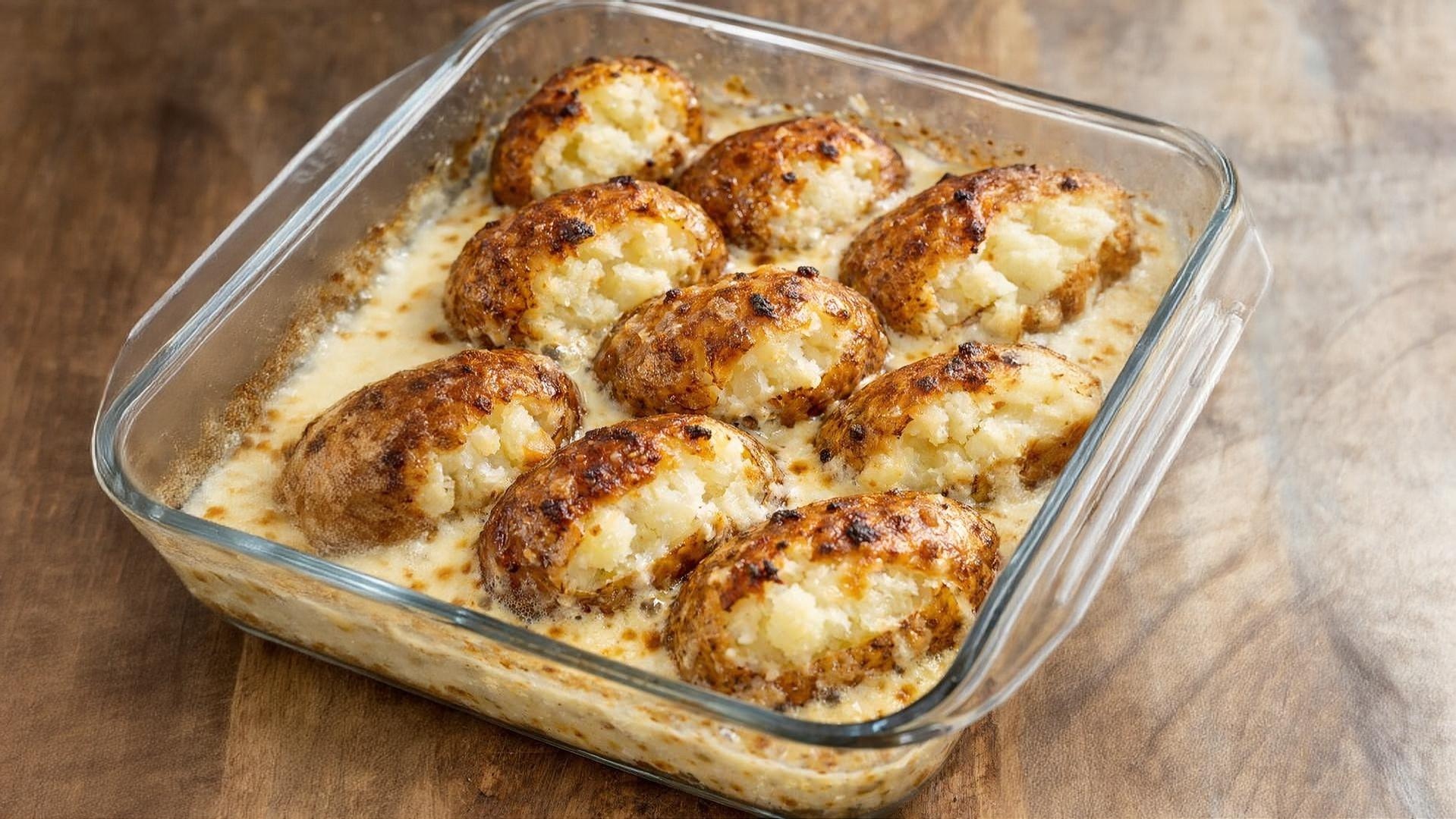
Unlock the secrets to vibrant health with sweet potatoes! Discover science-backed reasons why these versatile tubers deserve a starring role in your diet. From boosting immunity to aiding digestion and satisfying sweet cravings, learn how to make the most of this nutritional powerhouse. Get ready to transform your well-being, one sweet potato at a time!
Baking sheet
Parchment paper
Large mixing bowl
Sharp knife
Preheat your oven to 400°F (200°C) and line a baking sheet with parchment paper.
Wash and scrub the sweet potatoes thoroughly. Peel if desired, or leave the skin on for added nutrients.
Cut the sweet potatoes into uniform wedges, about 1-inch thick.
In a large bowl, toss the sweet potato wedges with olive oil, salt, and pepper. Add fresh rosemary sprigs for extra flavor, if desired.
Spread the sweet potato wedges in a single layer on the prepared baking sheet.


Add a pinch of cayenne pepper or chili powder to the sweet potato wedges before roasting for a spicy kick. I recommend starting with 1/4 teaspoon and adjusting to your taste. The heat complements the sweetness beautifully, creating a balanced flavor profile. You can also add a dash of smoked paprika for a smoky depth.
Toss the sweet potato wedges with 1 tablespoon of maple syrup and 1/2 teaspoon of cinnamon before roasting for a sweeter, more aromatic side dish. The maple syrup caramelizes beautifully in the oven, creating a sticky and delicious glaze. A pinch of nutmeg can enhance the warmth of the cinnamon.
Toss the roasted sweet potato wedges with grated Parmesan cheese and minced garlic after roasting for a savory twist. The Parmesan cheese adds a salty and umami flavor, while the garlic provides a pungent aroma. I suggest using freshly grated Parmesan for the best flavor and texture. A squeeze of lemon juice can brighten the dish.
Combine diced roasted sweet potatoes with black beans, corn, red onion, cilantro, and a lime vinaigrette for a refreshing and nutritious salad. This is a great way to use leftover roasted sweet potatoes. The lime vinaigrette adds a zesty and tangy flavor that complements the sweetness of the sweet potatoes and the earthiness of the black beans.
Add diced sweet potatoes to your favorite curry recipe for a hearty and flavorful meal. Sweet potatoes work well in both Indian and Thai curries. The sweetness of the sweet potatoes balances the spiciness of the curry, creating a harmonious flavor profile.
Overcrowding the baking sheet will cause the sweet potatoes to steam instead of roast, resulting in soggy fries. Make sure to spread them out in a single layer with enough space between each wedge. If necessary, use two baking sheets.
The flavor of the olive oil will impact the final dish, so use a good-quality extra virgin olive oil for the best results. The olive oil not only prevents sticking but also adds a subtle fruity flavor.
Roasting at a high temperature (400°F/200°C) will help to caramelize the sweet potatoes and create crispy edges. Lower temperatures will result in softer, less flavorful fries. I find that 400°F (200°C) is the sweet spot for achieving the perfect balance of tenderness and crispiness.
Sweet potatoes can be a bit bland on their own, so don’t be afraid to season them generously with salt, pepper, and other spices. Experiment with different flavor combinations to find your favorite. A pinch of smoked paprika can add a smoky depth, while a dash of cayenne pepper can add a spicy kick.
Flipping the sweet potato wedges halfway through roasting will ensure that they cook evenly on both sides and develop a consistent color and texture. This also prevents them from sticking to the baking sheet.
Store cooked sweet potatoes in an airtight container in the refrigerator for up to 3-5 days. To prevent bacterial growth, allow the sweet potatoes to cool completely before refrigerating. Ensure the container is tightly sealed to maintain moisture and prevent the sweet potatoes from drying out. I recommend using glass containers, as they are non-porous and won’t absorb odors.
Cooked sweet potatoes can be frozen for up to 2-3 months. To freeze, spread the sweet potatoes in a single layer on a baking sheet and freeze until solid. Then, transfer them to a freezer-safe bag or container. This prevents them from sticking together. When reheating, thaw the sweet potatoes in the refrigerator overnight or use the microwave. Be aware that freezing can slightly alter the texture.
Cooked sweet potatoes should not be left at room temperature for more than 2 hours, as this can promote bacterial growth. If you’re serving sweet potatoes at a party or gathering, keep them warm in a slow cooker or chafing dish. Ensure the temperature remains above 140°F (60°C) to prevent the growth of harmful bacteria. Discard any leftovers that have been at room temperature for more than 2 hours.
If the sweet potatoes are not cut into uniform sizes, they will cook unevenly. Some pieces will be overcooked and mushy, while others will be undercooked and hard. To avoid this, take the time to cut the potatoes into even pieces, about 1-inch thick.
Old or expired spices lose their flavor and aroma, resulting in a bland and unappetizing dish. Make sure to check the expiration dates on your spices and replace them as needed. I recommend storing spices in a cool, dark place to prolong their shelf life.
Not preheating the oven will result in uneven cooking and longer cooking times. Make sure to preheat the oven to the correct temperature before placing the sweet potatoes inside. I always wait until the oven is fully preheated before adding anything.
Adding too much oil will make the sweet potatoes greasy and soggy. Use just enough oil to coat the wedges lightly. I find that 1 tablespoon of olive oil is usually sufficient for 2 large sweet potatoes. You can also use a spray bottle to apply the oil more evenly.
Not using parchment paper will cause the sweet potatoes to stick to the baking sheet, making them difficult to remove and clean. Parchment paper also helps to prevent burning and ensures even cooking.
Per serving: 1 serving
In conclusion, incorporating sweet potatoes into your diet is a simple yet powerful way to boost your health and well-being. From their rich nutritional profile to their versatility in the kitchen, sweet potatoes offer endless possibilities for delicious and nutritious meals. I encourage you to explore the many reasons you should be adding sweet potatoes to your diet and discover your favorite ways to enjoy them. Visit HomeRecipes.com for more inspiration and healthy recipes!
Yes, sweet potatoes are an excellent source of complex carbohydrates, which provide sustained energy. Unlike simple carbohydrates, complex carbohydrates are digested slowly, preventing blood sugar spikes and crashes. They also contain fiber, which further aids in digestion and helps you feel full and satisfied.
Yes, sweet potatoes can be a valuable addition to a weight loss plan. Their high fiber content promotes satiety, reducing hunger and cravings. Additionally, their low glycemic index helps regulate blood sugar levels, preventing energy dips that can lead to overeating. Incorporating sweet potatoes into balanced meals can support healthy weight management.
Roasting, baking, and steaming are excellent methods for cooking sweet potatoes while preserving their nutrients. These methods minimize water loss and prevent the leaching of vitamins and minerals. Avoid boiling sweet potatoes for extended periods, as this can result in nutrient loss. I personally prefer roasting, as it enhances their natural sweetness and caramelization.
Sweet potatoes are rich in beta-carotene, a potent antioxidant that converts to Vitamin A in the body. Vitamin A is essential for maintaining healthy skin by promoting cell turnover, reducing inflammation, and protecting against sun damage. Regular consumption of sweet potatoes can contribute to a radiant and youthful complexion.
Sweet potatoes can be a surprisingly delicious addition to desserts. They can be pureed and added to brownies, muffins, and cakes for a moist and naturally sweet flavor. You can also make sweet potato pie, pudding, or even ice cream. Their natural sweetness reduces the need for added sugars, making them a healthier alternative to traditional dessert ingredients.
No items yet. Click "Add All" or use + buttons!
Community Kitchen