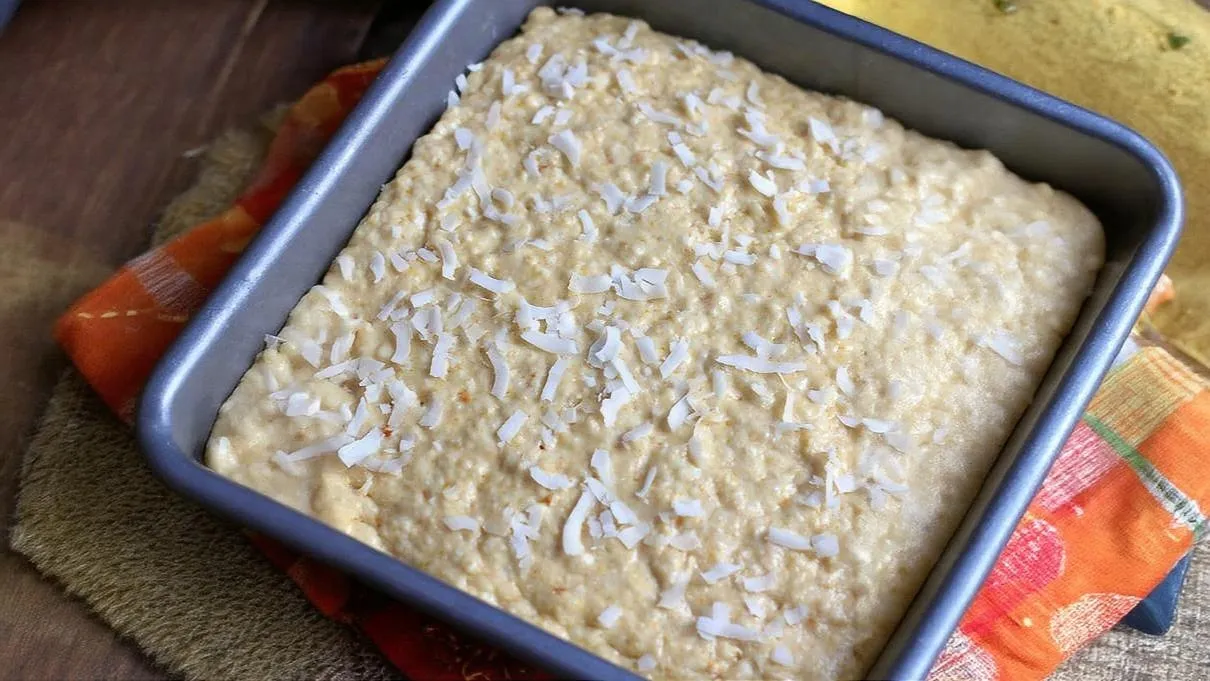
Golden Glazed Coconut Cornbread Perfection
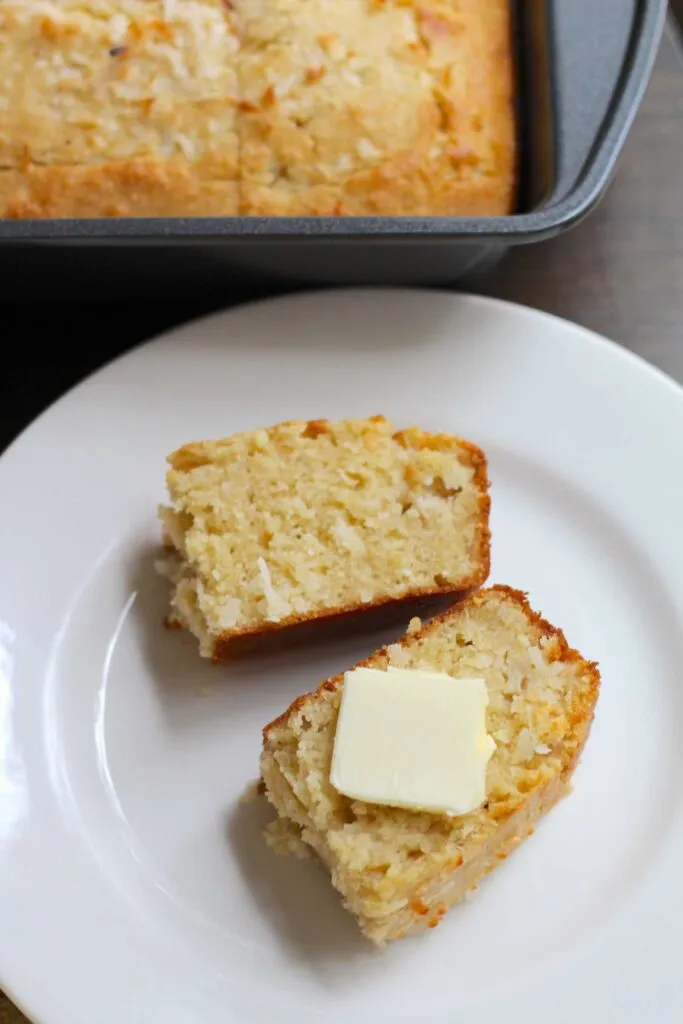
Elevate your cornbread game with this exquisite Golden Glazed Coconut Cornbread recipe. Combining the comforting texture of classic American cornbread with the exotic sweetness and incredible moisture of coconut milk and shredded coconut, this dish is a revelation. Each bite offers a tender, crumbly interior and a beautifully golden, subtly glazed exterior, promising a unique tropical twist on a beloved staple. Perfect as a side or a delightful treat, this Coconut Cornbread is surprisingly easy to make and guaranteed to impress.
restaurant_menu Ingredients
Coconut Cornbread Ingredients
Optional Topping
hardware Essential Tools
9-inch cast-iron skillet or 8x8-inch baking pan
Large mixing bowl
Medium mixing bowl
Whisk
Rubber spatula or wooden spoon
Wire cooling rack
Measuring cups and spoons
format_list_numbered Preparation
Preparing the Batter
Preheat your oven to 375°F (190°C) and generously grease your 9-inch cast-iron skillet or 8x8-inch baking pan with coconut oil. If using a cast-iron skillet, place it in the oven to preheat with the oil, which will help create a superior crispy crust on your Coconut Cornbread.
In a large mixing bowl, whisk together the cornmeal, all-purpose flour, unsweetened shredded coconut, granulated sugar, baking powder, and kosher salt until thoroughly combined and free of lumps. This ensures even distribution of your leavening agents.
In a separate medium bowl, whisk together the full-fat coconut milk, large eggs, and the melted (but not hot) coconut oil until the mixture is smooth and uniform. This step ensures all wet ingredients are fully emulsified before combining with the dry.
Pour the wet ingredients into the dry ingredients. Using a rubber spatula or wooden spoon, gently stir just until no dry streaks of flour remain. Be careful not to overmix; a few lumps are fine and will result in a more tender Coconut Cornbread.
Baking and Serving
Carefully pour the batter into the preheated, greased baking pan. If desired, sprinkle the additional 2 tablespoons of shredded coconut evenly over the top for an extra layer of texture and flavor.
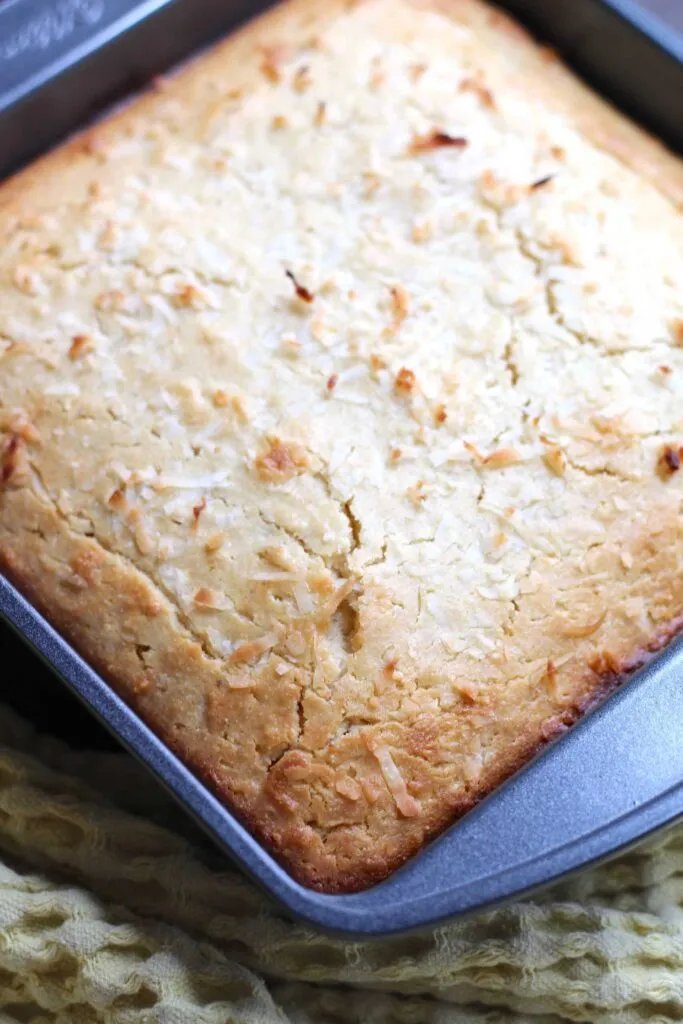
Bake in the preheated oven for 20-25 minutes, or until the top is beautifully golden-brown and a wooden skewer or toothpick inserted into the center comes out clean. Keep an eye on it to prevent overbaking, which can lead to dry cornbread.
Remove the Golden Glazed Coconut Cornbread from the oven and let it cool in the pan on a wire rack for at least 10-15 minutes before slicing. This crucial resting period allows the cornbread to set properly, ensuring clean slices and preventing crumbling. Serve warm with your favorite accompaniments.
favorite You Might Also Love
Browse All arrow_forward
Easy Chicken Biscuit Casserole Recipe
Three Cheese Quiche Recipe (Savory & Creamy)

Mastering Flavor: The Best Jelly Belly Flavors for Home Cooks

Baked Greek Lemon Chicken at Home

The Ultimate Cranberry Cream Cheese Spread Recipe for Holidays
Seasoning a Cast Iron Skillet Recipe (The Chef's Guide)
Try These Variations
Spiced Coconut Cornbread
Introduce warmth by adding 1 teaspoon of ground cinnamon and 1/2 teaspoon of ground nutmeg to the dry ingredients. These spices beautifully complement the coconut and corn flavors, adding a comforting depth. You could also include a pinch of ground cardamom for an even more exotic touch, creating a fragrant and inviting Coconut Cornbread, perfect for autumn evenings or holiday brunches. Remember to adjust the sweetness slightly if the spices feel too strong. This variation transforms the cornbread into a more dessert-like offering, pairing wonderfully with a cup of hot tea or coffee.
Citrus Zest Coconut Cornbread
Brighten your Coconut Cornbread with the vibrant aroma of citrus. Add 1 tablespoon of fresh orange or lime zest to the wet ingredients. The oils in the zest will infuse the cornbread with a refreshing tang that beautifully cuts through the richness of the coconut. This creates a lighter, more summery profile, making it an excellent accompaniment to grilled fish or a fresh fruit salad. The citrus also enhances the natural sweetness of the coconut, making each bite incredibly lively and flavorful. Ensure you only zest the colored part of the peel, avoiding the bitter white pith.
Sweet Corn & Coconut Cornbread
For an extra layer of texture and natural sweetness, fold in 1/2 cup of fresh or frozen (thawed and well-drained) sweet corn kernels into the batter just before baking. The burst of juicy corn will provide a delightful contrast to the tender crumb of the Coconut Cornbread. This variation makes the cornbread heartier and even more satisfying, perfect for a side dish at a barbecue or a light lunch. The combination of corn and coconut is a classic pairing in many cuisines, offering a harmonious blend of flavors and textures that is truly irresistible.
Chef's Pro Tips
Don’t Overmix for Tender Crumb
The absolute golden rule for quick breads like this Coconut Cornbread is to mix the batter just until the wet and dry ingredients are combined. Overmixing develops the gluten in the flour, leading to a tough, dense, and chewy texture, rather than the tender, crumbly ideal. The moment you see no more dry streaks of flour, stop stirring. A few small lumps are perfectly acceptable and actually indicate you haven’t overdone it. This gentle approach ensures a light and airy result that melts in your mouth.
Preheating the Pan for a Crisp Crust
If you have a cast-iron skillet, use it! Place it in the oven with a tablespoon of coconut oil while the oven preheats. When you pour the batter into the sizzling hot pan, the immediate contact with the heat creates an incredible Maillard reaction on the bottom and sides of the Coconut Cornbread. This results in a truly golden, shatteringly crisp crust that contrasts beautifully with the soft, moist interior. This technique is a game-changer for achieving that authentic, rustic cornbread texture often found in Southern kitchens.
Full-Fat Coconut Milk for Maximum Moisture
Opt for full-fat canned coconut milk, not the lighter or beverage versions found in cartons. The higher fat content in full-fat coconut milk is crucial for imparting superior moisture, richness, and that distinct creamy coconut flavor to your Coconut Cornbread. It also contributes to a more tender crumb, as fat inhibits gluten development. Skimping on the fat here will result in a drier, less flavorful cornbread, so embrace the richness for the best possible outcome.
Storage Guide
Room Temperature Storage
Once your Coconut Cornbread has completely cooled to room temperature, wrap it tightly in plastic wrap or aluminum foil to prevent it from drying out. Alternatively, place it in an airtight container. Stored this way, it will remain fresh and delicious for up to 2 days on your countertop. Keep it away from direct sunlight or heat sources to maintain its quality and prevent bacterial growth, ensuring every slice is as good as the first.
Refrigerator Storage
For longer storage, transfer the tightly wrapped or airtight-contained Coconut Cornbread to the refrigerator. It will keep well for up to 5 days. The cooler temperature slows down spoilage, but the texture might become slightly firmer. To enjoy, allow it to come to room temperature, or gently reheat. When reheating, place slices in a microwave for 20-30 seconds, or wrap in foil and warm in a 300°F (150°C) oven for 10-15 minutes until tender and warm, avoiding overheating to prevent dryness.
Freezer Storage
This Coconut Cornbread freezes beautifully! Once completely cooled, wrap individual slices or the entire loaf tightly in plastic wrap, then add a second layer of aluminum foil to prevent freezer burn. Label with the date. It can be stored in the freezer for up to 3 months. To thaw, simply transfer it to the refrigerator overnight. For best results, reheat thawed cornbread gently in a 300°F (150°C) oven, wrapped in foil, until warmed through, which helps retain its moisture and original texture.
Avoid These Mistakes
✕ Overmixing the Batter
This is the most frequent culprit behind tough, dry cornbread. When you overmix, you develop the gluten in the all-purpose flour, creating a dense, chewy texture akin to bread, rather than the desired crumbly, tender texture of a quick bread. To avoid this, combine the wet and dry ingredients only until no dry streaks of flour are visible. A few small lumps are perfectly fine and indicate a properly mixed batter. Think gentle folds, not vigorous beating, to ensure your Coconut Cornbread remains light and moist.
✕ Ignoring Oven Temperature
Baking at an incorrect oven temperature can drastically affect your Coconut Cornbread. If the oven is too cool, the leavening agents won’t activate properly, resulting in a flat, dense cornbread. If it’s too hot, the exterior will brown too quickly before the interior is cooked through, leading to a burnt outside and raw inside, or a very dry result. Always preheat your oven fully, and if you suspect your oven runs hot or cold, use an oven thermometer to ensure accuracy. A consistent 375°F (190°C) is key for even baking and a beautiful rise.
✕ Not Greasing the Pan Sufficiently
A common frustration is having your Coconut Cornbread stick to the pan, ruining that beautiful crust. Ensure you generously grease your baking pan, especially if not using a preheated cast-iron skillet. Using coconut oil for greasing not only prevents sticking but also adds another layer of subtle coconut flavor and helps achieve a lovely golden-brown crust. Don’t be shy with the oil; a well-greased pan is your best friend for easy release and a perfect presentation.
nutrition Nutrition Facts
Per serving: 1 slice
Nutritional values are approximate and may vary based on specific brands and preparation methods. This calculation does not include any optional toppings or serving suggestions.
sell Related Topics
Frequently Asked Questions
Can I use a different type of flour for this Coconut Cornbread? expand_more
Absolutely! While I recommend all-purpose flour for its reliability and tender crumb, you can certainly experiment. For a slightly denser, nuttier flavor, you could try using a whole wheat pastry flour. However, avoid using regular whole wheat flour, as its higher protein content can make the cornbread too tough. If you're looking for a gluten-free option, a good quality 1:1 gluten-free baking blend designed for quick breads should work well, though the texture might be slightly different. Always remember that flour substitutions can alter the final texture and moisture content of your Coconut Cornbread, so be prepared for slight variations.
My Coconut Cornbread came out dry. What went wrong? expand_more
A dry Coconut Cornbread is usually a sign of one of two things: overmixing the batter or overbaking. Overmixing develops the gluten in the flour, which makes the cornbread tough and dry. Remember to mix only until the ingredients are just combined. Overbaking, on the other hand, literally dries out the moisture from the batter. Every oven is a little different, so the baking time is always a guideline. Start checking for doneness a few minutes before the recipe suggests, and remove the cornbread as soon as a toothpick inserted into the center comes out clean. If you notice the edges browning too quickly, you can cover the top loosely with foil for the last few minutes of baking to prevent further browning while the center finishes cooking.
Can I reduce the sugar in this recipe? expand_more
Yes, you can certainly reduce the sugar in this Coconut Cornbread recipe if you prefer a less sweet profile. The recipe calls for 1/2 cup of sugar, which provides a balanced sweetness that complements the coconut flavor. You can reduce it by 1/4 cup, using only 1/4 cup of sugar, without significantly impacting the texture, although the cornbread might be slightly less moist and brown less aggressively on top. I wouldn't recommend reducing it further, as sugar plays a crucial role in the overall structure and moisture of the quick bread, not just sweetness. If you want to maintain the moisture while reducing refined sugar, consider substituting some or all of the granulated sugar with coconut sugar, which has a lower glycemic index and a lovely caramel note.
Can I add fresh corn kernels to this Coconut Cornbread? expand_more
That's an excellent idea and a fantastic way to add another layer of flavor and texture! Fresh or frozen (thawed and drained) corn kernels would be a delightful addition to this Coconut Cornbread. I recommend adding about 1/2 cup of corn kernels to the batter along with the wet ingredients. This will provide bursts of sweet, juicy corn throughout the cornbread, complementing the coconut beautifully. If using frozen corn, ensure it's completely thawed and patted dry to avoid introducing excess moisture into the batter, which could affect the final texture. This addition makes the cornbread even more hearty and flavorful, perfect for a summer BBQ or a comforting side dish.
What's the best way to get a crispy crust on my Coconut Cornbread? expand_more
For that coveted crispy crust, a few chef-approved techniques are key. First, and most importantly, use a cast-iron skillet. Preheat the skillet in the oven while it comes to temperature, with a tablespoon or two of coconut oil in it. When you pour the batter into the sizzling hot oil in the pan, it immediately begins to fry the bottom and sides, creating an incredibly crisp, golden crust. The Maillard reaction goes into overdrive, developing complex flavors. Another tip is to ensure your oven is truly at the right temperature; a hotter environment promotes better browning and crust development. Don't crowd the pan, and avoid opening the oven door too often, as this can drop the temperature and hinder the crisping process. The contrast between the crispy exterior and the tender interior of your Coconut Cornbread will be simply divine.
More Recipes You'll Love
Ultimate Peanut Butter Lunch Lady Cookie Bars Recipe

Grandma’s Secret Golden Vanilla Vintage Cookie Recipe
Mastering No Boil Lasagna in Your Slow Cooker
Artisan Dairy Trio: Make Fresh Butter, Cream Substitute, & Cheese

Classic Old-Fashioned Raisin Pie Recipe: A Nostalgic Delight

Community Kitchen