Old Fashioned Scottish Tablet Recipe (Classic Candy)
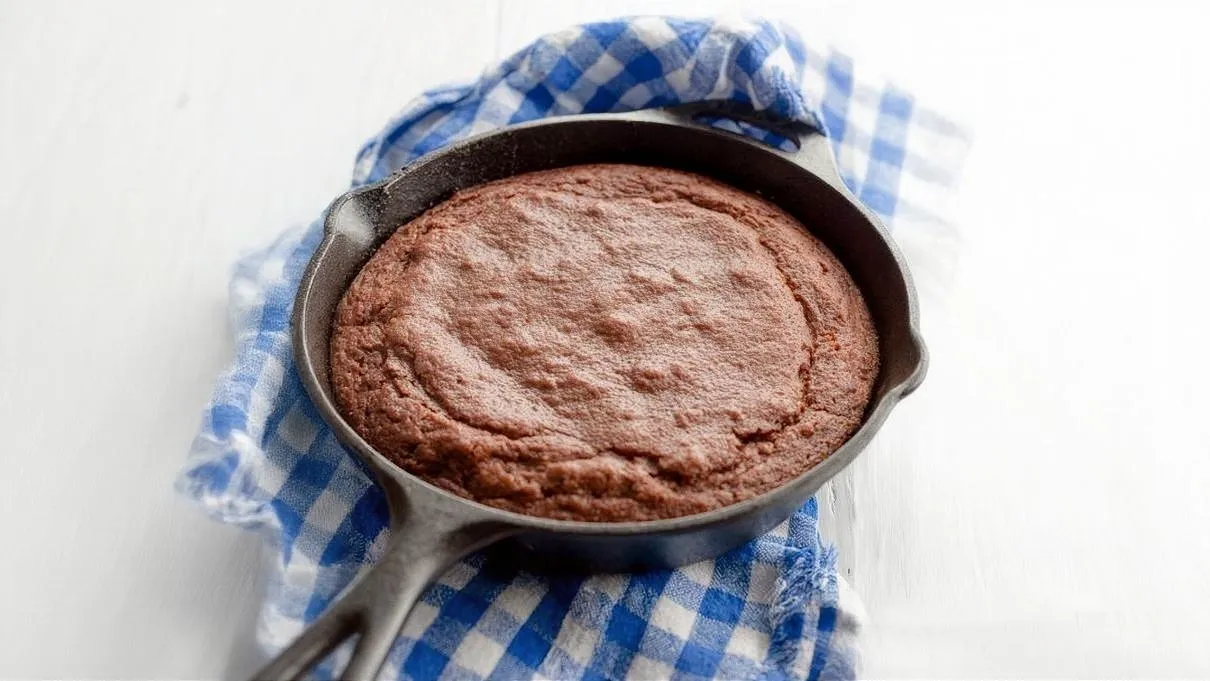
Embark on a culinary adventure with this traditional Old Fashioned Scottish Tablet Recipe. This unique confection boasts a distinctive crumbly, melt-in-your-mouth texture, setting it apart from classic fudge. Made with simple ingredients like sugar, condensed milk, and butter, it's a rich, sweet treat perfect for gifting, entertaining, or simply indulging. Our chef's secrets ensure a perfect batch every time, delivering a taste of Scottish heritage right to your kitchen.
restaurant_menu Ingredients
Classic Scottish Tablet
Optional Garnishes
hardware Essential Tools
Large heavy-bottomed saucepan
Wooden spoon or heat-resistant spatula
Candy thermometer
9x13 inch baking pan
Parchment paper
Sharp, heavy knife
format_list_numbered Preparation
Making the Tablet
Lightly grease a 9x13 inch baking pan or line it with parchment paper, leaving an overhang on the sides for easy removal.
In a large, heavy-bottomed saucepan, combine the granulated sugar, sweetened condensed milk, full-fat milk, and pinch of salt.
Place the saucepan over medium-low heat and stir constantly until all the sugar has completely dissolved, about 5-7 minutes. Ensure no gritty sugar crystals remain.
Increase the heat to medium and bring the mixture to a rolling boil, stirring occasionally to prevent sticking.
Continue to boil, without stirring constantly, until the mixture reaches 240°F (115°C) on a candy thermometer, which is the soft ball stage (this can take 15-25 minutes).
Immediately remove the saucepan from the heat and stir in the unsalted butter and pure vanilla extract until fully incorporated and melted.
Begin to beat the mixture vigorously with a wooden spoon or stand mixer with a paddle attachment for 5-10 minutes, or until it thickens, loses its glossy sheen, and becomes slightly grainy.
Quickly pour the mixture into your prepared baking pan, spreading it evenly with the back of a spoon or spatula.
If using, sprinkle chopped nuts or flaky sea salt over the top while the tablet is still warm.
Allow the tablet to cool completely at room temperature, undisturbed, for at least 2-3 hours, or until fully set and firm.
Once firm, use the parchment paper overhang to lift the tablet from the pan, place on a cutting board, and cut into small squares or rectangles using a sharp, heavy knife.
favorite You Might Also Love
Browse All arrow_forwardNo-Bake Scotcheroo Truffles: Peanut Butter Chocolate Bliss
Old Fashioned Family Strawberry Lemon Bars Recipe (Classic Dessert)
New Orleans Pecan Pralines: The Ultimate Southern Treat
Midwest Magic: Retro Pistachio Fluff Salad
Mexican Wedding Cake Recipe (Buttery Nut Cookies)
Mock Apple Pie Recipe (Classic Cracker)
Try These Variations
Nutty Tablet
For an added crunch and flavor, fold in 1/2 cup of finely chopped walnuts or pecans during the beating stage, just before pouring into the pan. The nuts add a delightful contrast to the smooth, crumbly texture of an Old Fashioned Scottish Tablet. Ensure they are evenly distributed for a balanced bite in each piece.
Spiced Tablet
Infuse your tablet with warm spices by adding 1/2 teaspoon of ground cardamom or cinnamon along with the vanilla extract. These spices complement the sweetness beautifully and add an aromatic depth, perfect for a cozy autumn or winter treat. Adjust the amount to your personal preference for a subtly spiced Old Fashioned Scottish Tablet.
Coffee Tablet
For coffee lovers, dissolve 1-2 teaspoons of instant espresso powder in 1 tablespoon of hot water and stir it into the mixture along with the vanilla extract. This will give your Old Fashioned Scottish Tablet a sophisticated coffee flavor, creating a delightful after-dinner confection that pairs wonderfully with a strong espresso.
Chef's Pro Tips
Don’t Be Afraid to Stir
During the initial dissolving phase, stir continuously to ensure all sugar crystals are completely gone. If even one crystal remains, it can act as a seed, causing the entire batch of Old Fashioned Scottish Tablet to crystallize prematurely and become grainy. Patience here prevents a gritty texture.
Temperature is Everything
Invest in a reliable candy thermometer. Reaching precisely 240°F (115°C) is the make-or-break point for the texture of your Old Fashioned Scottish Tablet. Too low, and it will be too soft; too high, and it will be brittle. Accuracy prevents disappointment.
Beat Until It’s Ready
The beating stage is crucial. You’re encouraging crystal formation. Beat until the mixture thickens, loses its shine, and starts to feel grainy against the spoon. This ensures the fine, crumbly texture characteristic of authentic Old Fashioned Scottish Tablet. Stopping too soon will result in a chewier, fudge-like consistency.
Storage Guide
Room Temperature
Store your Old Fashioned Scottish Tablet in an airtight container layered with parchment paper at room temperature. This candy is quite stable and does not require refrigeration. Keeping it in a cool, dry place away from direct sunlight will maintain its perfect crumbly texture and prevent it from becoming sticky or overly hard. It will remain fresh and delicious for up to 2-3 weeks, making it an excellent make-ahead treat.
Refrigerator
While possible, refrigerating Scottish Tablet is generally not recommended as the cold can significantly alter its unique crumbly texture, making it much harder and less pleasant to eat. The condensation from the fridge can also cause it to become sticky. If you must refrigerate, ensure it’s in a very airtight container, and allow it to come to room temperature before serving to soften slightly.
Freezer
Freezing is not advisable for Old Fashioned Scottish Tablet. The moisture content and sugar crystallization process make it unsuitable for freezing. Upon thawing, the tablet is likely to become very sticky, lose its characteristic crumbly texture, and potentially develop an undesirable grainy consistency. It’s best enjoyed fresh or stored at room temperature.
Avoid These Mistakes
✕ Not Dissolving Sugar Fully
One of the most common pitfalls is not ensuring all granulated sugar crystals are dissolved before the mixture comes to a boil. If even tiny crystals remain, they can act as nucleation sites, causing the entire batch of Old Fashioned Scottish Tablet to crystallize rapidly and become a sandy, grainy mess rather than a smooth, crumbly one. Always stir gently over low heat until no grit is felt.
✕ Overcooking or Undercooking
Failing to hit the precise 240°F (115°C) soft-ball stage on the candy thermometer is another frequent error. Undercooking results in a tablet that’s too soft and doesn’t set properly, while overcooking leads to a hard, brittle, and overly sugary confection. A reliable thermometer and careful monitoring are essential for the perfect Old Fashioned Scottish Tablet.
✕ Not Beating Vigorously Enough
The vigorous beating after removing the mixture from heat is critical for developing the characteristic crumbly texture of Scottish Tablet. If you don’t beat it long or hard enough, the sugar crystals won’t form correctly, and you’ll end up with a denser, chewier texture more akin to fudge, rather than the melt-in-your-mouth quality of an Old Fashioned Scottish Tablet.
✕ Scraping the Sides
During the boiling and beating stages, avoid scraping down the sides of the pan. Any sugar crystals that may have formed on the edges can fall back into the mixture and trigger premature crystallization, leading to a grainy or sandy texture. Let these crystals be; they won’t significantly impact the final product if left undisturbed.
nutrition Nutrition Facts
Per serving: 1 piece
Nutritional information is an estimate and may vary based on specific ingredients and preparation methods for this Old Fashioned Scottish Tablet Recipe.
flag Conclusion
And there you have it, home cooks! Your very own batch of homemade Old Fashioned Scottish Tablet. This recipe is a testament to the magic that happens when simple ingredients are treated with care and precision. It’s a delightful sweet, rich in tradition and flavor, perfect for sharing with loved ones or savoring yourself. I encourage you to try this recipe and experience the unique texture and taste that has captivated generations. Happy cooking, and remember, the best meals are made with love right here at HomeRecipes.com!
sell Related Topics
Frequently Asked Questions
How is Scottish Tablet different from fudge? expand_more
The primary difference between Scottish Tablet and fudge lies in their texture and the way they are cooked. Fudge is typically cooked to a lower temperature (around 235-237°F or 113-114°C) and beaten less vigorously, resulting in a softer, creamier, and smoother consistency. Scottish Tablet, on the other hand, is cooked to a slightly higher temperature (around 240°F or 115°C) and then beaten much more vigorously and for a longer period. This intense beating encourages the formation of larger, distinct sugar crystals, giving tablet its signature crumbly, slightly grainy, yet melt-in-your-mouth texture that is distinct from fudge. It's a subtle but significant culinary distinction.
Can I make Old Fashioned Scottish Tablet without a candy thermometer? expand_more
While a candy thermometer is highly recommended for accuracy when making an Old Fashioned Scottish Tablet Recipe, it is possible to make it without one using the cold water test. To perform this test, drop a small amount of the boiling sugar mixture into a cup of very cold water. If it forms a soft, pliable ball that you can pick up and flatten between your fingers, it has reached the soft ball stage (240°F or 115°C). If it dissolves, it needs to cook longer. If it becomes hard and brittle, it's overcooked. This method requires practice, so be prepared for a few attempts to get it just right.
Why is my Scottish Tablet too soft or too hard? expand_more
If your Old Fashioned Scottish Tablet Recipe turns out too soft, it likely wasn't cooked to a high enough temperature (below 240°F or 115°C) or wasn't beaten long enough to initiate proper crystallization. The sugar crystals didn't form sufficiently to give it structure. If it's too hard or sugary, it might have been cooked to too high a temperature (above 240°F or 115°C) or beaten for too long, causing too many large sugar crystals to form. The key is hitting that precise 'soft ball stage' and stopping the beating as soon as it thickens and loses its sheen.
Can I add flavorings to my Scottish Tablet? expand_more
Absolutely! While vanilla extract is traditional and provides a classic flavor to this Old Fashioned Scottish Tablet Recipe, you can certainly experiment with other flavorings. A few drops of almond extract can add a lovely nutty note, or a pinch of ground cardamom or cinnamon could introduce a warm, spiced element. For a citrusy twist, a bit of orange or lemon zest could be folded in during the beating stage. Just remember to add flavorings in small increments, tasting as you go, to avoid overpowering the delicate balance of the tablet.
What is the best way to cut Old Fashioned Scottish Tablet? expand_more
The best way to cut your Old Fashioned Scottish Tablet Recipe is to ensure it is completely cooled and firm before attempting to slice it. Once set, lift the entire block out of the pan using the parchment paper. Place it on a sturdy cutting board. Use a large, sharp, heavy-bladed knife, like a chef's knife or a cleaver. Press down firmly and steadily to cut through the tablet. If you try to saw at it, it will crumbly unevenly. For very large batches, scoring the top surface with a knife before it fully sets can help guide your cuts later, ensuring neater, more uniform pieces.
Community Kitchen