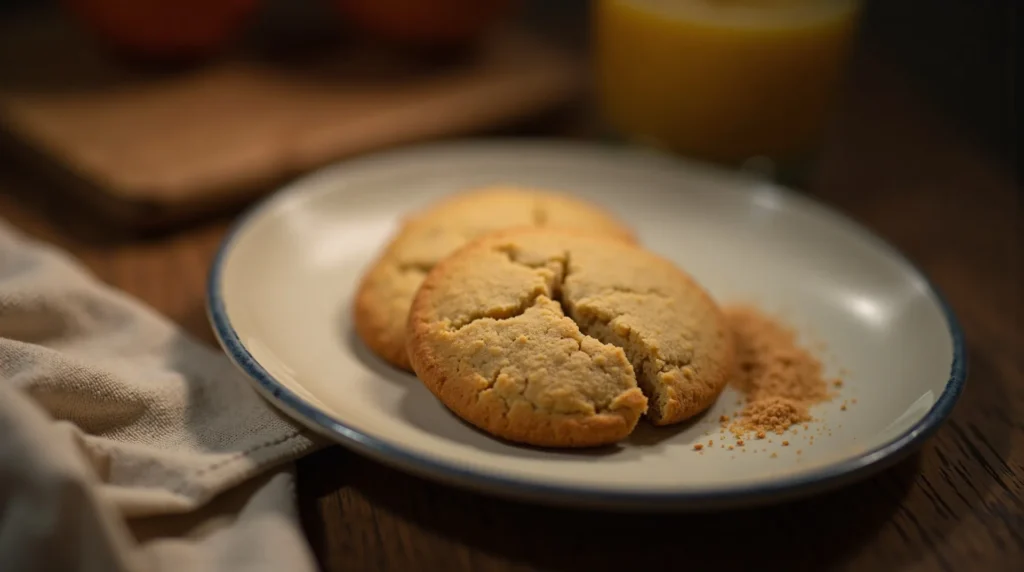
The Ultimate Guide to Vanilla Extract Substitute Options
When you face the dreaded empty vanilla bottle, don't fret! As a professional chef, I guide you through the best non-alcoholic alternatives, from maple syrup to warm spices, ensuring your baked goods retain that essential depth of flavor. Master the perfect vanilla extract substitute today!
restaurant_menu Ingredients
Key Substitute Ingredients (For a Recipe Calling for 2 Tsp Vanilla)
Standard Baking Ingredients (Example Base)
hardware Essential Tools
Dry measuring spoons
Mixing bowls (large and medium)
Electric mixer (stand or hand)
Rubber spatula
Wire cooling rack
Mixing spoons
format_list_numbered Preparation
Incorporating the Vanilla Extract Substitute
Determine the best vanilla extract substitute based on the desired flavor profile for your specific recipe
Measure the substitute precisely according to the recommended ratios—never guess when using potent items like almond extract
If substituting with maple syrup or caramel, slightly reduce the recipe's liquid content (milk or water) by 1 teaspoon per tablespoon used
Incorporate the substitute with the wet ingredients, usually after creaming butter and sugar, or when adding eggs
Mix only until just combined; overmixing can negatively affect the texture when using syrup-based alternatives
favorite You Might Also Love
Browse All arrow_forwardItalian Pastina Soup Recipe (Comforting & Healing)
Crispy Bacon Potato Sheet Pan: A Simple and Delicious Recipe
Chef's Recipe for Irresistible Bacon Rolls
The Ultimate Cheesy Broccoli Cauliflower Soup Recipe
Mastering Authentic Ships Biscuits: A Chef's Guide
Hearty Amish Yumasetti Casserole: A Timeless Comfort Bake
Try These Variations
Maple Pecan Blondies
Use maple syrup as the vanilla extract substitute and fold in toasted pecans
Citrus Spice Cake
Use a combination of lemon zest and nutmeg as the primary flavoring agent
Almond Crumb Topping
Use almond extract substitution in a streusel topping for fruit crisps
Chef's Pro Tips
Always bring your eggs to room temperature before baking — cold eggs can cause the batter to curdle
For extra moisture, add 2 tablespoons of sour cream or Greek yogurt to the batter
When using spices as a vanilla extract substitute, toast them lightly in a dry pan first to maximize aromatic release
Taste the substitute on a neutral base (like a spoonful of plain yogurt) before adding it to your main preparation
Storage Guide
Room Temperature
Store in an airtight container for up to 2 days, away from direct sunlight
Refrigerator
Wrap tightly in plastic wrap and refrigerate for up to 5 days if the item contains high dairy content
Freezer
Wrap tightly in two layers of plastic and foil; thaw overnight in the refrigerator
Avoid These Mistakes
✕ Overmixing the batter, which develops too much gluten and results in a tough, dense texture
✕ Using cold butter instead of room-temperature butter, preventing proper creaming
Blindly substituting volume when using potent extracts like almond—always halve the amount
✕ Forgetting to account for extra sugar or liquid when using syrup-based vanilla extract substitute options
nutrition Nutrition Facts
Per serving: Varies by recipe
Nutritional values are highly dependent on the primary recipe being adapted.
flag Conclusion
We have now equipped you with the knowledge to face any vanilla shortage with confidence. Whether you choose the earthy sweetness of maple, the aromatic punch of almond, or the comforting warmth of cinnamon, you are prepared to deliver a delicious, high-quality dessert. Remember, baking is an art of adaptation. Don’t let a missing bottle dictate the success of your meal. Embrace the challenge, experiment thoughtfully, and enjoy the process of discovering your new favorite vanilla extract substitute!
Here at HomeRecipes.com, we celebrate these moments of kitchen ingenuity. Go forth, create something wonderful, and savor the pride of serving a homemade dish that overcame a minor ingredient crisis. Happy baking!
sell Related Topics
Frequently Asked Questions
What is the absolute best 1:1 vanilla extract substitute if I have no other options? expand_more
If you must achieve a perfect 1:1 swap without adjusting other liquids, your best bet is a high-quality, aged bourbon barrel-aged maple syrup, used in equal measure. However, since we must adhere to strict dietary guidelines, the best non-alcoholic, 1:1 vanilla extract substitute that offers depth and sweetness is often a combination: use 1.5 teaspoons of pure vanilla bean paste (if you have it!) combined with 1/2 teaspoon of high-quality almond extract, or simply rely on 1:1 real maple syrup. The key is that the syrup brings the caramel note that vanilla often provides in richer desserts.
Can I use vanilla powder or vanilla sugar instead of liquid extract? expand_more
Yes, absolutely! Vanilla powder is often more concentrated than liquid extract because it lacks the alcohol and water base. If your recipe calls for 1 teaspoon of standard liquid extract, start with 1/2 teaspoon of vanilla powder. Vanilla sugar is great for recipes where you are adding dry ingredients, like dusting cookies or stirring into dry flour mixes. If subbing for 1 teaspoon of liquid extract, use 1.5 teaspoons of vanilla sugar, and slightly reduce the recipe's granulated sugar to compensate for the added sweetness. This is a fantastic vanilla extract substitute for dry mixes.
Why do some recipes suggest using alcohol as a vanilla extract substitute? expand_more
The reason professional recipes sometimes call for spirits like dark rum or bourbon is purely chemical. By US law, vanilla extract must contain at least 35% alcohol (70 proof) because alcohol is the solvent used to extract the flavor compounds (vanillin) from the cured vanilla beans. When substituting, using a spirit that already contains these flavor compounds, like bourbon, provides a similar flavor base. However, as a personal chef, I strongly advise against this for home cooks unless the item is fully baked, as the alcohol flavor can be overwhelming in no-bake items. Furthermore, for our purposes here at HomeRecipes, we focus on non-alcoholic options, making maple syrup or spices the preferred vanilla extract substitute.
If I use spices, how do I prevent them from tasting gritty in my frosting? expand_more
Grittiness in frosting usually comes from insufficiently blended spices or using too much. If using spices as your vanilla extract substitute in a smooth frosting, you must create a 'spice paste' first. Take your measured spices (cinnamon, nutmeg, etc.) and mix them thoroughly with a teaspoon of hot water or, ideally, a teaspoon of melted butter or shortening until a smooth, dark paste forms. Then, incorporate this paste into your fat (butter/shortening) during the creaming stage. This pre-emulsification ensures the flavor is distributed evenly without any sandy texture remaining in your beautiful French vanilla inspired buttercream.
Does using a substitute affect the overall structure of my bread or cake? expand_more
In most cases, no, provided you are substituting correctly. If you use a liquid vanilla extract substitute like maple syrup or almond extract (which often has a higher alcohol content than the 35% in standard extract), you introduce slightly more liquid or alcohol. This minor shift is usually negligible in full cake batters. However, if you are making a very delicate item, like a meringue or a light sponge cake, stick to dry substitutes like vanilla powder or use the spice blend, as adding extra liquid can compromise the foam structure. Always err on the side of adding slightly less liquid overall when using a liquid swap.
More Recipes You'll Love
Irresistibly Crispy Chicken Fritters: A Crunchy Delight
Chicken Flautas Recipe (Baked & Crispy)
Mastering Trash Bread: The Ultimate Comfort Food Bake
Fiery Jalapeno Cheddar Focaccia Masterclass

The Ultimate Homemade Heart Shaped Pizza Recipe for Romance
Community Kitchen