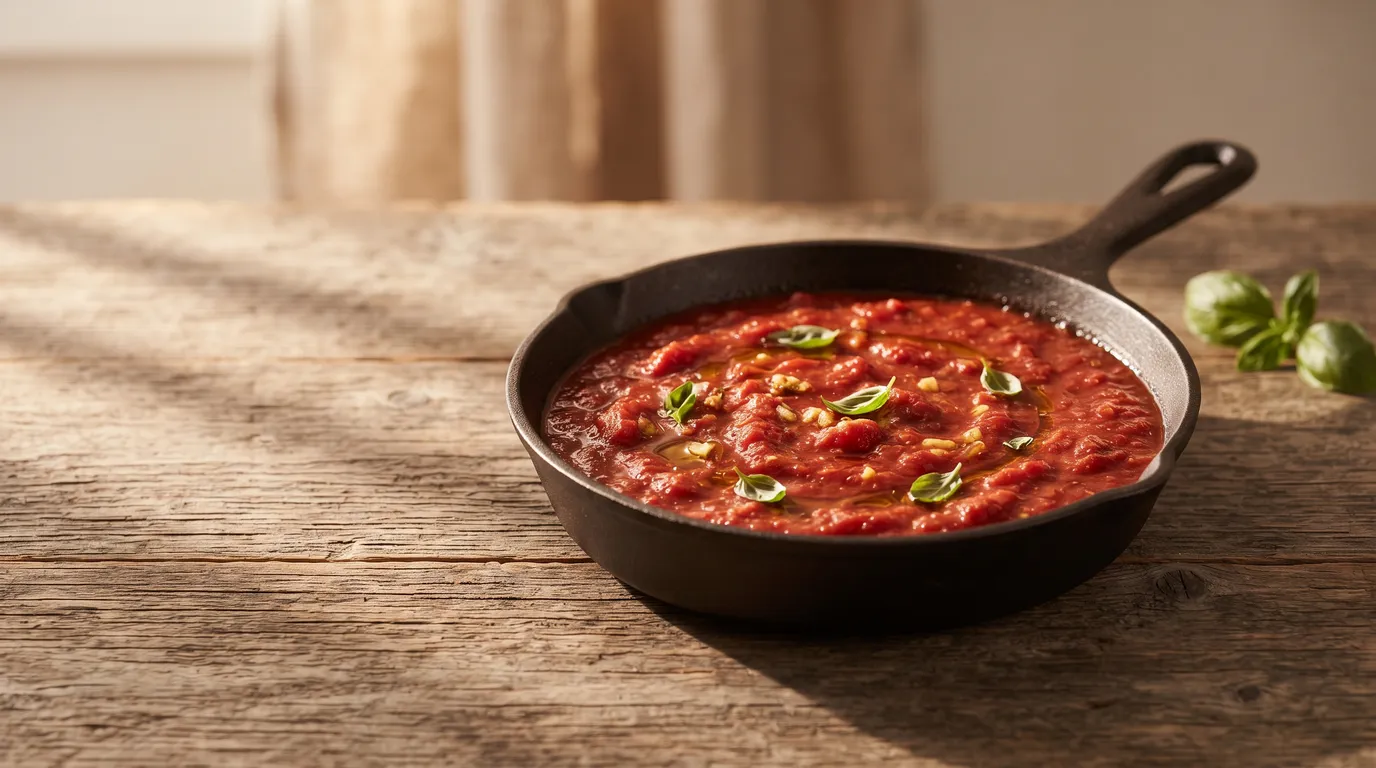
Authentic Pomodoro Sauce Recipe (Quick & Fresh)
Experience the true taste of Italy with this quick and easy authentic pomodoro sauce. Crafted with fresh Roma tomatoes, aromatic garlic, and vibrant basil, this sauce captures the essence of simple Italian cooking. It's perfectly balanced, light, and incredibly versatile, making it an ideal companion for pasta or a flavorful base for various dishes. This recipe brings restaurant-quality freshness right to your American kitchen table, proving that profound flavors don't always require hours of simmering.
restaurant_menu Ingredients
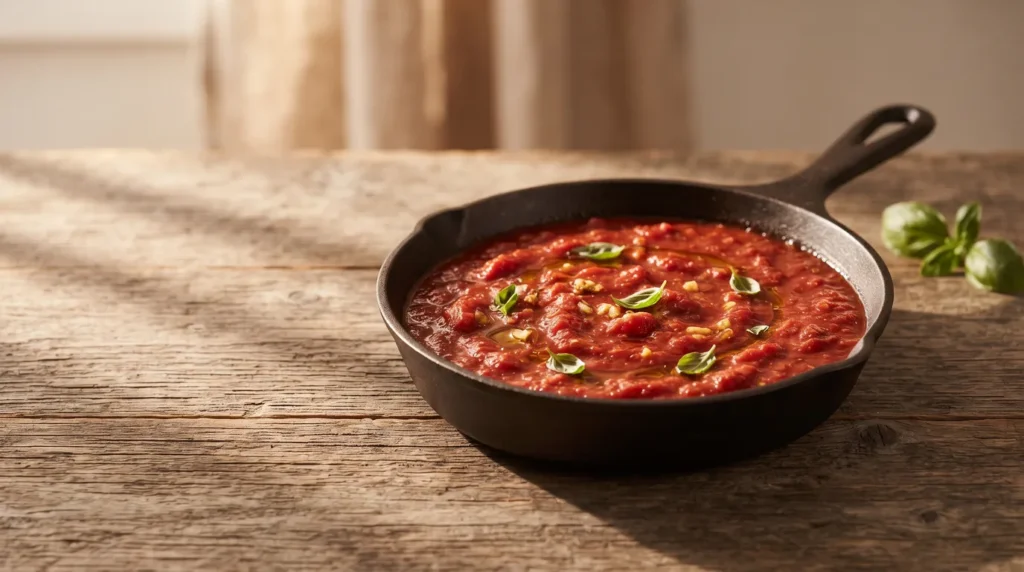
Fresh Pomodoro Essentials
hardware Essential Tools
Chef's knife
Cutting board
10-inch sauté pan (with a wide surface area)
Wooden spoon or spatula
Measuring spoons
Measuring cups
format_list_numbered Preparation
Getting Started
Begin by preparing your fresh ingredients. Dice the 8 Roma tomatoes into roughly 1/2-inch pieces. Smash and finely mince your 4 large garlic cloves. Peel and dice the small yellow onion into small, even pieces. For the fresh basil, stack the leaves, roll them tightly, and slice them thinly to create a chiffonade.
Building the Flavor Base
Place a 10-inch sauté pan over medium heat. Once warm, add the 8 ounces of extra virgin olive oil. When the oil is shimmering, add the diced onions and sauté for 2-3 minutes until translucent. Immediately add the minced garlic and cook for just 30-60 seconds, stirring constantly, until fragrant but not browned, to prevent bitterness.
Simmer and Serve
Add the diced tomatoes to the pan with the onions and garlic. Increase heat slightly to medium-high and bring to a gentle simmer. Cook for 3 minutes, stirring occasionally, allowing the tomatoes to break down. Stir in the chiffonaded fresh basil and cook for just 1 more minute to preserve its vibrant flavor. Remove from heat, then stir in the 2 teaspoons of kosher salt and 1 teaspoon of freshly cracked black pepper. Taste and adjust seasoning as needed before serving your fresh pomodoro sauce.
favorite You Might Also Love
Browse All arrow_forwardGolden Crispy Chicken Fritters: A Deliciously Crunchy Recipe

Potato Au Gratin Cups Recipe (Crispy Cheddar)
Cream of Tomato Soup Recipe (Velvety Smooth)
Creamy Au Gratin Potatoes Recipe - Easy & Delicious Side Dish
Creamy Garlic Smothered Baked Potatoes: The Ultimate Comfort Food Recipe
Classic Homemade Pesto Recipe: Fresh & Flavorful
Try These Variations
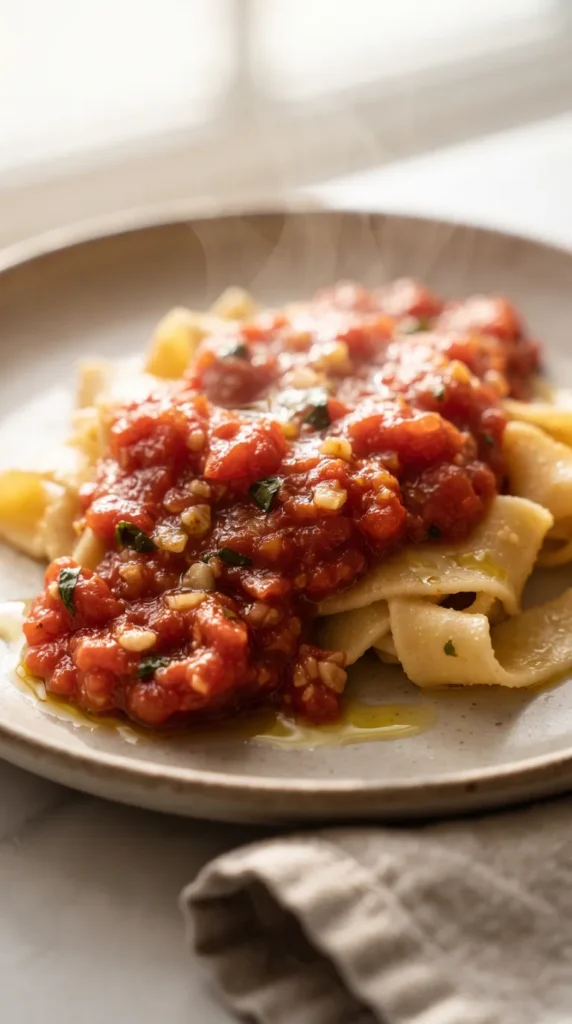
Spicy Pomodoro
For a delightful kick, add 1/2 to 1 teaspoon of red pepper flakes to the extra virgin olive oil along with the onions. Let them cook for about 30 seconds to infuse the oil before adding the garlic and tomatoes. This creates a subtle warmth that complements the fresh tomato flavor beautifully, transforming your pomodoro sauce into a vibrant arrabbiata-like experience.
Herbaceous Twist
While basil is traditional, you can experiment with other fresh herbs. A sprig of fresh oregano or a few thyme leaves added with the tomatoes can provide a different aromatic profile. Remove any woody stems before serving. Just remember, basil is key for the classic pomodoro sauce flavor, so use other herbs sparingly as an addition, not a replacement.
Roasted Tomato Pomodoro
For a deeper, more caramelized flavor, halve your Roma tomatoes and toss them with a tablespoon of olive oil, salt, and pepper. Roast them on a baking sheet at 400°F (200°C) for 20-25 minutes until slightly softened and browned at the edges. Then, proceed with the recipe, adding the roasted tomatoes to the sautéed onions and garlic. This variation adds a rich, concentrated sweetness to your pomodoro sauce.
Chef's Pro Tips
Blanching for a Smoother Sauce
If you prefer a completely smooth pomodoro sauce without any skin or seeds, you can blanch and peel your tomatoes before dicing. Simply cut a small ‘x’ into the bottom of each tomato, drop them into boiling water for 30-60 seconds, then transfer to an ice bath. The skins will slip right off, and you can easily core them before dicing. This extra step ensures a silky texture.
Emulsify for Silkiness
When tossing your cooked pasta with the pomodoro sauce, add a splash (about 1/4 cup) of the starchy pasta cooking water. The starches in the water help to emulsify the sauce, making it cling better to the pasta and creating a wonderfully silky, cohesive texture. This is a pro trick I learned in Michelin kitchens for a truly refined finish to any pasta with pomodoro sauce.
Don’t Skimp on the Olive Oil
The extra virgin olive oil isn’t just a cooking fat here; it’s a fundamental flavor component. Using a good quality, robust olive oil will add a fruity, sometimes peppery, depth that cheap oils simply can’t. It also helps carry the fat-soluble flavor compounds from the garlic and basil throughout the pomodoro sauce, enhancing the overall taste and mouthfeel.
Storage Guide
Refrigerator
Allow the pomodoro sauce to cool completely to room temperature before transferring it to an airtight container. Store it in the refrigerator for up to 3-4 days. Ensure the container is sealed tightly to prevent any absorption of refrigerator odors and to maintain optimal freshness. Reheat gently on the stovetop or in the microwave until warmed through.
Freezer
For longer storage, this pomodoro sauce freezes beautifully. Once cooled, pour the sauce into freezer-safe bags, removing as much air as possible before sealing, or into sturdy freezer-safe containers. Lay freezer bags flat on a baking sheet to freeze, then stack them to save space. It will maintain excellent quality for up to 3 months. Thaw overnight in the refrigerator before reheating gently on the stovetop.
Reheating for Best Texture
To reheat, whether from the fridge or thawed from the freezer, always do so over medium-low heat on the stovetop, stirring frequently. If the sauce appears too thick, add a tablespoon or two of water or vegetable broth to achieve your desired consistency. Avoid high heat, which can cause the sauce to break or scorch, especially if it contains delicate herbs like basil. Aim for a gentle warming to 165°F (74°C).
Avoid These Mistakes
✕ Using Undercooked or Overcooked Onions
A common mistake is not cooking the onions long enough, leaving them crunchy and pungent, or cooking them too long, turning them bitter. For this pomodoro sauce, you want them translucent and softened, which usually takes 2-3 minutes over medium heat, allowing their natural sweetness to develop without browning.
✕ Burning the Garlic
Garlic burns very quickly, transforming from aromatic to acrid in seconds. Adding it too early or cooking it at too high a heat will impart a bitter, unpleasant flavor to your entire pomodoro sauce. Always add garlic after the onions have softened and cook it for no more than 30-60 seconds, stirring constantly, until it’s fragrant but not colored.
✕ Adding Basil Too Early
Fresh basil is delicate and its vibrant flavor compounds are volatile. Adding it at the start of cooking causes it to lose its bright, peppery notes and turn dull. Stirring it in during the last minute of cooking, as specified in this pomodoro sauce recipe, preserves its fresh taste and beautiful green color, ensuring it contributes its peak aroma.
✕ Not Seasoning Properly
Tomatoes can vary wildly in sweetness and acidity. A bland pomodoro sauce often results from insufficient seasoning. Always taste your sauce at the end of cooking and adjust the kosher salt and freshly cracked black pepper as needed. Sometimes, a tiny pinch of sugar can balance overly acidic tomatoes, or a bit more salt can make the natural tomato flavors pop.
nutrition Nutrition Facts
Per serving: 1 cup
Nutritional values are approximate and may vary based on specific ingredient brands and preparation methods. This calculation is for one serving of pomodoro sauce alone, without pasta or other accompaniments.
flag Conclusion
And there you have it, a truly authentic pomodoro sauce that’s as simple as it is delicious. This recipe proves that you don’t need hours in the kitchen or a long list of ingredients to create something truly spectacular. It’s all about respecting the quality of your produce and understanding the role each component plays. I encourage you to whip up a batch, taste the difference that fresh ingredients and thoughtful technique make, and savor every bite. Here at HomeRecipes, we believe every home cook can achieve culinary greatness, and this pomodoro sauce is a perfect starting point. Enjoy bringing a taste of Italy right to your dinner table!
sell Related Topics
Frequently Asked Questions
How can I make this pomodoro sauce richer without adding cream? expand_more
To deepen the flavor of your pomodoro sauce without dairy, a chef's trick is to add a small amount of tomato paste along with the fresh tomatoes at the beginning of cooking. Sautéing the tomato paste for a minute or two before adding the fresh tomatoes helps to caramelize it, intensifying the umami and sweetness. Another approach is to let the sauce simmer for an additional 5-10 minutes, allowing more liquid to evaporate and the flavors to concentrate further. A tiny splash of good quality balsamic vinegar or a pinch of sugar at the end can also balance and enhance the overall richness.
Can I use canned tomatoes instead of fresh for this pomodoro sauce? expand_more
Absolutely! While fresh tomatoes are glorious in season, high-quality canned tomatoes are a fantastic substitute, especially when fresh Romas aren't at their peak. I highly recommend using whole peeled San Marzano tomatoes, either crushed by hand or pulsed briefly in a food processor, for your pomodoro sauce. Their balanced sweetness and low acidity are ideal. Just be sure to drain off any excess liquid from regular canned diced tomatoes if you use them, as they tend to be packed in more water than whole peeled varieties, which could dilute your sauce's flavor.
What's the best way to prevent the garlic from burning in the sauce? expand_more
Preventing burnt garlic is crucial for a sweet, aromatic pomodoro sauce. The key is to add the garlic after the onions have had a chance to soften slightly, usually about 2-3 minutes. This gives the garlic a less intense heat environment. Once added, cook it for a very short period, typically 30-60 seconds, until it becomes fragrant but before it takes on any color. Keep stirring constantly, and if you're unsure, it's better to undercook it slightly than to let it turn golden brown, which can quickly lead to bitterness. Removing the pan from the heat immediately after the garlic is fragrant can also halt the cooking process.
Why is my pomodoro sauce tasting too acidic? expand_more
Tomato acidity can vary greatly depending on the variety and ripeness. If your pomodoro sauce tastes too acidic, there are a few simple fixes. The most common is to add a pinch of sugar (about 1/4 to 1/2 teaspoon) at the end of cooking. This doesn't make the sauce sweet, but rather balances the acidity, much like salt balances bitterness. Another trick is to add a very small amount of baking soda (just a tiny pinch, about 1/8 teaspoon). The baking soda will react with the acid, neutralizing it, but be careful not to add too much, as it can give the sauce a soapy taste. A longer, slower simmer can also help, as it allows the natural sugars in the tomatoes to caramelize and mellow the acidity.
Can I add other vegetables to this quick pomodoro sauce? expand_more
While this authentic pomodoro sauce recipe focuses on simplicity, you can certainly add other vegetables to enhance its complexity, though it would technically lean away from a 'pure' pomodoro. Finely diced carrots or celery sautéed with the onions can add another layer of sweetness and depth. For a bit of heat, a pinch of red pepper flakes added with the garlic would be delicious. Just remember, the more ingredients you add, the further you move from the classic, fresh taste of a true pomodoro, which is designed to let the tomatoes shine. If you do add vegetables, ensure they are finely diced so they cook quickly and blend seamlessly into the sauce's texture.
More Recipes You'll Love

Classic Homemade Pesto Recipe: Fresh & Flavorful
Classic Raisin Pie Recipe: A Nostalgic Slice of Comfort

Classic Basil Pesto Recipe: A Flavorful Italian Delight
Chef’s Guide to Perfect Homemade Beaver Nuggets

Community Kitchen