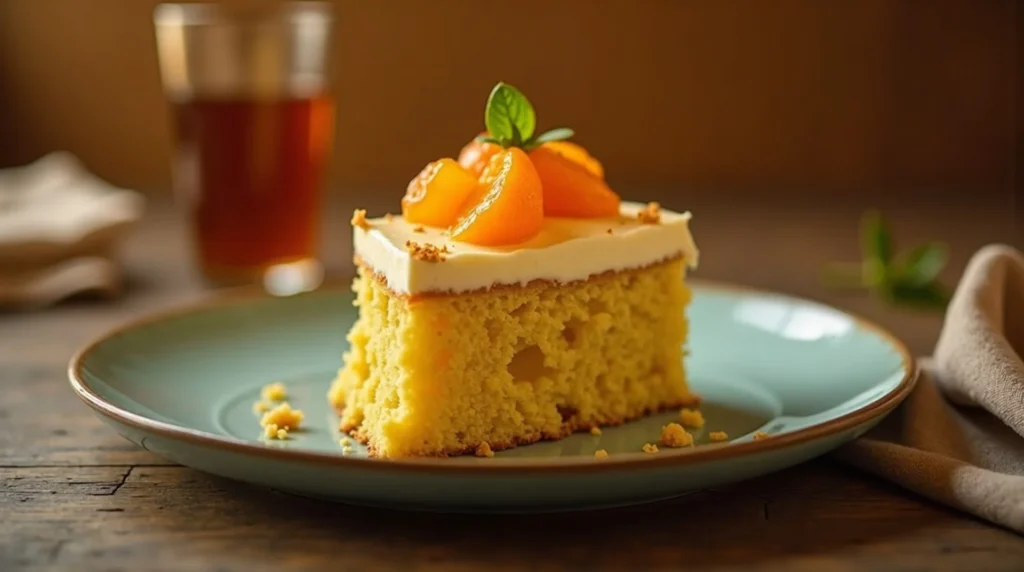
The Ultimate Pig Pickin Cake: A Southern Dessert Legend
This is the definitive, foolproof recipe for the iconic Southern Pig Pickin Cake, ensuring maximum fruit flavor and unparalleled moisture using simple pantry ingredients.
restaurant_menu Ingredients
For the Cake Base
For the Tropical Topping
Optional Flavor Boost
hardware Essential Tools
9x13-inch baking dish
Large mixing bowl
Electric mixer or stand mixer
Rubber spatula
Wire cooling rack
Measuring cups and spoons
format_list_numbered Preparation
Baking the Moist Cake
Preheat your oven precisely to 350°F (175°C) and lightly grease and flour your 9x13-inch baking dish for easy release
In a large bowl, combine the yellow cake mix, eggs, oil, and water, beating on medium speed until the batter is smooth and fully incorporated, scraping down the sides as needed
If using the optional orange zest, fold it in now, followed by the first drained can of mandarin oranges and the reserved tablespoon of orange juice
Pour the combined batter evenly into the prepared baking dish, ensuring the surface is flat
Bake in the center of the oven for 30 to 35 minutes, watching until a wooden skewer inserted into the center comes out completely clean, indicating the pig pickin cake is done
Remove the cake from the oven and place it on a wire rack to cool completely to room temperature; this step is crucial for successful frosting
Assembling the Topping and Finishing
While the cake cools, prepare the topping
combine the instant vanilla pudding mix with the entire contents (juice and all) of the can of crushed pineapple in a separate bowl
Stir the pudding and pineapple mixture until the pudding begins to hydrate and thicken slightly, about two minutes
Gently fold in the fully thawed, cold whipped topping using a wide spatula, working until the mixture is uniformly pale yellow and airy
Once the cake is completely cool, spread the entire topping mixture evenly across the surface of the cake
Drain the second can of mandarin oranges very thoroughly, patting them lightly if necessary, and arrange them decoratively over the frosting layer
Cover the finished pig pickin cake loosely and refrigerate for a minimum of 30 minutes to allow the topping to set before slicing and serving
favorite You Might Also Love
Browse All arrow_forward
The Ultimate Heavenly Hash: A Creamy Retro Dessert Dream
Velvet Cloud Fruit Dip: The Ultimate Party Spread
Cinnamon-Kissed Pioneer Woman's Apple Dumplings: A Buttery Delight
The Ultimate Halal Piña Colada Dip: Tropical Bliss at Home
French Silk Pie Recipe (Rich & Creamy)
Heirloom Hasty Pudding Dessert: A Creamy Cornmeal Classic
Try These Variations
Coconut Infusion: Fold 1/2 cup of sweetened shredded coconut into the frosting mixture
Spice It Up: Add 1/2 teaspoon of ground ginger and a pinch of cinnamon to the dry cake mix
Make It Richer
Substitute the oil with 1/2 cup of melted coconut oil for a subtle tropical depth in the cake base
Upside-Down Style
Line the bottom of the pan with the drained mandarin oranges before pouring in the batter, then frost later
Chef's Pro Tips
Always use a full-fat instant pudding mix for the best setting power in the topping of your pig pickin cake
If your oven temperature runs hot, start checking for doneness around the 28-minute mark to prevent overbaking the edges
For an extra layer of flavor, lightly toast the mandarin oranges for the garnish for about 5 minutes at 250°F before placing them on the frosting
Ensure your whipped topping is thawed overnight in the refrigerator rather than on the counter to maintain its cold temperature before folding
When slicing this delicate pig pickin cake, dip your knife in hot water and wipe it clean between each cut for perfectly clean squares
Storage Guide
Refrigerator
Store tightly covered with plastic wrap or in an airtight container for up to 4 days
Room Temperature
Due to the whipped topping, this is not recommended for more than 4 hours unrefrigerated
Freezer
Do not freeze once frosted; freeze only the plain cake layer tightly wrapped for up to 2 months
Avoid These Mistakes
✕ Failing to cool the cake completely before applying the whipped topping, resulting in a melted, soupy frosting layer
✕ Not draining the canned fruit sufficiently when preparing the topping, leading to weeping and instability in the frosting
✕ Overbeating the cake batter after adding the fruit, which can break down the fruit and create dense pockets
✕ Skipping the minimum chilling time, which prevents the pudding from fully setting up and bonding with the whipped topping
✕ Using metal pans that conduct heat too quickly, leading to over-browned edges on your pig pickin cake
nutrition Nutrition Facts
Per serving: 1 slice (1/12th of cake)
Nutritional values are estimates based on standard ingredient brands.
flag Conclusion
There you have it—the definitive guide to conquering the pig pickin cake! This dessert embodies the spirit of American home baking: joyful, accessible, and utterly delicious. It requires no fancy techniques, just good ingredients and a little patience during the cooling phase. Serve this at your next gathering, and I guarantee you will be asked for the recipe repeatedly. Now go forth, bake with confidence, and enjoy the sweet taste of Southern tradition!
sell Related Topics
Frequently Asked Questions
Can I substitute butter for the oil in this pig pickin cake? expand_more
While you absolutely can substitute butter for the oil, I strongly advise against it if you want the authentic, moist experience of a classic pig pickin cake. Butter imparts wonderful flavor, but it solidifies when chilled, leading to a denser, sometimes crumbly texture, especially around the edges. Oil remains liquid, ensuring that signature tenderness even after refrigeration. If you must use butter, use the exact same volume (e.g., if the recipe calls for 1/2 cup of oil, use 1/2 cup melted butter), but expect a textural difference.
What exactly is a 'pig pickin'? Does this cake actually contain pork? expand_more
That is an excellent question that always comes up! No, this dessert contains absolutely no pork whatsoever; it is entirely sweet. A “pig pickin'” is a traditional Southern barbecue event—a large, informal gathering where guests literally “pick” the meat off slow-cooked pork barbecue. This dessert earned its name because it was the perfect, easy-to-make, crowd-pleasing sweet treat to serve alongside the pulled pork and sides at these large outdoor feasts. It’s a piece of American culinary history, wrapped up in a fruity cake.
My topping seems runny. Did I do something wrong with the pig pickin cake? expand_more
A runny topping almost always points to one of two issues: either the cake was not completely cool when the frosting was applied, causing the whipped topping to melt immediately, or there was too much residual liquid from the canned fruit in the topping mixture. Remember my tip: drain the pineapple well, and gently squeeze the mandarin oranges before folding them into the pudding/whipped topping mix. If it’s already runny, immediately chill it for an hour; sometimes the pudding will set up slightly as it cools, firming the structure of your pig pickin cake frosting.
Can I use fresh fruit instead of canned for this recipe? expand_more
You can experiment, but canned fruit is the heart of this specific regional recipe for very good reasons. Canned pineapple and oranges are picked at peak ripeness and packed in syrup, which concentrates their flavor and sweetness. Fresh fruit, especially non-tropical varieties, will have a much higher water content and a different acidity level, which can significantly alter the texture of both the cake batter and the topping structure. If you try fresh, heavily reduce the amount of added water in the batter and ensure you drain the fresh fruit aggressively before adding it to the frosting.
What brand of yellow cake mix works best for the pig pickin cake? expand_more
Frankly, almost any mainstream American brand will perform admirably because the moisture and flavor come primarily from the added fruit and oil. However, many seasoned bakers find that brands like Duncan Hines or even store brands that lean slightly sweeter tend to yield the best results when combined with the pineapple and orange. The goal is a tender, slightly sturdy base that can handle the moist topping. Stick to the standard yellow cake mix—avoid 'angel food' or 'super moist' varieties unless you adjust the liquid ratios accordingly.
More Recipes You'll Love
Chocolate Strawberry Cake Recipe (Easy Poke Cake)

Classic Homemade Pound Cake Recipe (Rich & Buttery)
Old-Fashioned Family Texas Sheet Cake Bites Recipe (Classic Dessert)
Velvet Cloud Fruit Dip: The Ultimate Party Spread
Community Kitchen