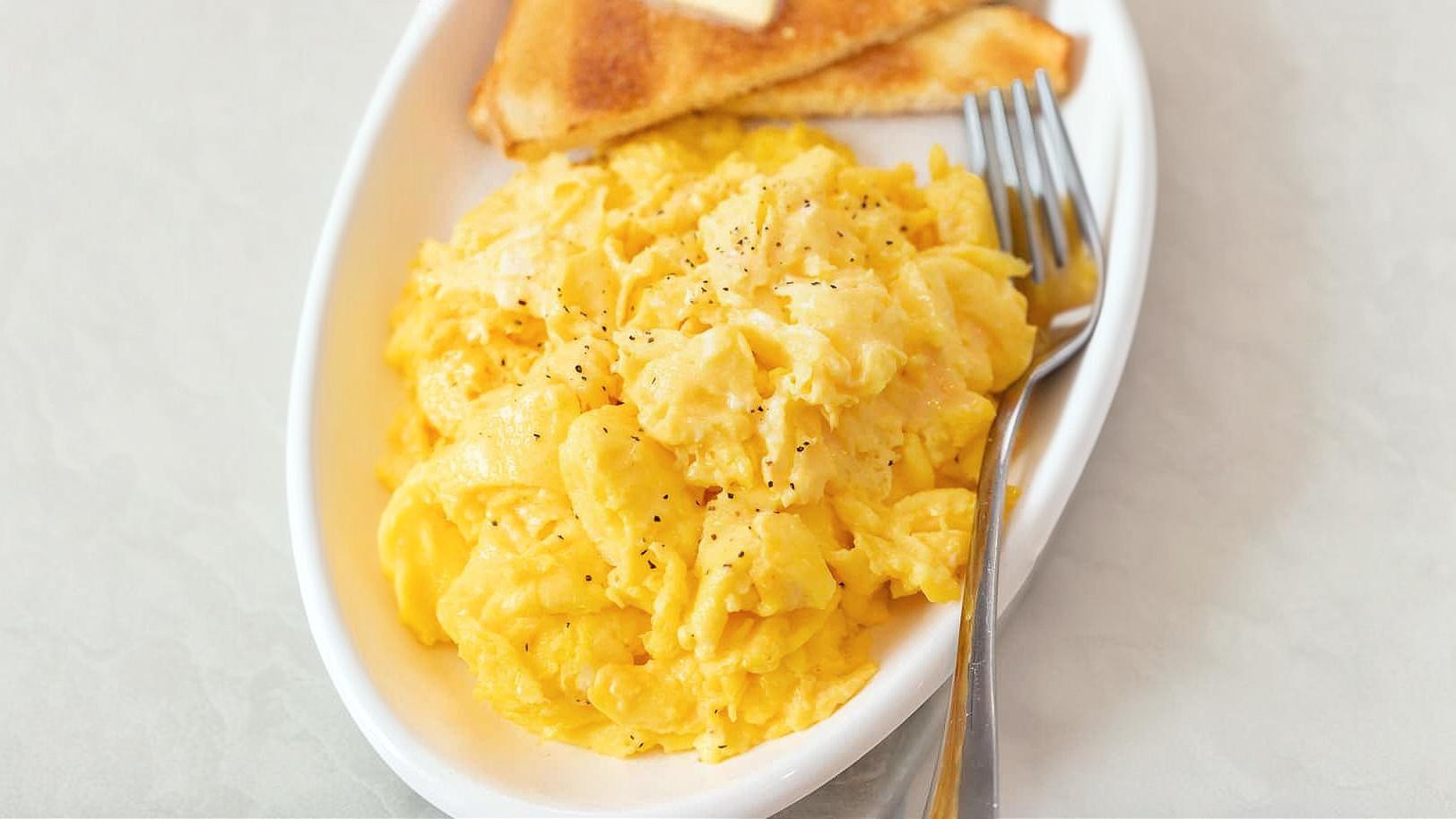
Perfect Scrambled Eggs Recipe (Creamy & Fluffy)
Discover the ultimate guide to crafting perfect scrambled eggs – creamy, tender, and utterly delicious every single time. This recipe, honed in Michelin-starred kitchens, reveals the essential techniques, from gentle heat to precise timing, ensuring you never suffer a rubbery egg again. Elevate your breakfast with these simple yet transformative chef's secrets for a luxurious start to any day.
restaurant_menu Ingredients
Main Ingredients
Optional Garnishes
hardware Essential Tools
Medium-sized bowl
Fork or whisk
Non-stick skillet (8-inch or 10-inch)
Silicone spatula or wooden spoon
Warm serving plate
format_list_numbered Preparation
Preparation for Perfect Scrambled Eggs
Gather all your ingredients and tools. Crack your 3 large eggs into a medium-sized bowl. If using, add 1-2 tablespoons of whole milk, heavy cream, or crème fraîche. Gently whisk with a fork until the yolks and whites are just combined, leaving small streaks of white. Have your 1 tablespoon of unsalted butter, kosher salt, freshly ground black pepper, and any optional fresh herbs ready and within arm's reach. This mise en place ensures a smooth cooking process, as timing is crucial for perfect scrambled eggs.
Cooking the Eggs to Perfection
Place a non-stick skillet over low to medium-low heat. Add 1 tablespoon of unsalted butter to the pan and let it melt completely, ensuring it shimmers but does not brown. If the butter starts to brown, your heat is too high, so lift the pan off the burner briefly to cool it down before returning it to a lower setting. Pour the egg mixture into the warmed pan. Using a silicone spatula or a wooden spoon, begin to gently push the eggs from the edges of the pan towards the center, folding them over themselves in a slow, continuous motion. This gentle stirring creates small, soft curds and ensures even cooking without toughening the egg proteins. Continue this gentle folding for 3-5 minutes, allowing the eggs to slowly set into creamy, custardy curds. Resist the temptation to increase the heat, as patience is key to achieving the desired texture for perfect scrambled eggs.
Finishing and Serving
Watch the eggs carefully; they are ready when they form soft, creamy curds but still look slightly wet and glossy, with a visible sheen of uncooked egg. They should appear about 90% cooked. Immediately remove the pan from the heat, as the eggs will continue to cook from residual heat. If desired, stir in an additional 1/2 tablespoon of cold unsalted butter. The cold butter will emulsify into the hot eggs, adding incredible richness and a beautiful glossy finish. Season with a pinch of kosher salt and freshly ground black pepper to taste. If using fresh herbs like finely chopped chives, stir them in now. Taste and adjust seasoning as needed. Transfer your perfect scrambled eggs to a warm plate right away to maintain their tender, creamy texture. Serve immediately and savor the luxurious result of your culinary efforts. Enjoy your perfectly cooked breakfast!
favorite You Might Also Love
Browse All arrow_forward
Try These Variations
Spicy Scramble
For those who love a kick, add a pinch of red pepper flakes to the eggs while whisking, or stir in a dash of your favorite hot sauce (like Tabasco or Cholula) at the very end. The heat from the chili complements the richness of the eggs beautifully, adding an exciting dimension to your perfect scrambled eggs. You can also dice a small amount of jalapeño or serrano pepper very finely and sauté it lightly before adding the eggs to the pan for a fresher, more vibrant spice.
Cheese Lover’s Scramble
Incorporate 1/4 cup of shredded cheese (such as sharp cheddar, Gruyère, or Monterey Jack) into the eggs during the last minute of cooking, just after removing from the heat. The residual warmth will melt the cheese into gooey, flavorful pockets, adding a delightful creaminess and savory depth to your perfect scrambled eggs. For a truly luxurious touch, try a soft, meltable cheese like Boursin or goat cheese crumbled in.
Herb Garden Scramble
Elevate the freshness by adding a generous mix of finely chopped fresh herbs beyond just chives. Consider a blend of fresh dill, parsley, tarragon, or even a hint of chervil. Stir these into the eggs right after removing them from the heat, preserving their delicate flavors and vibrant colors, making your perfect scrambled eggs a fragrant masterpiece. The combination of different herbs creates a more complex and aromatic profile.
Chef's Pro Tips
Understand Your Heat Source
Every stove is different. What’s ‘low’ on one burner might be ‘medium’ on another. Take a moment to understand your stove’s nuances. Start with the lowest setting and gradually increase if needed, but always err on the side of too low rather than too high. The goal is a gentle simmer, not a vigorous boil, for your perfect scrambled eggs. This control is crucial for consistent results.
Use a Quality Non-Stick Pan
While seasoned cast iron or carbon steel can work, for consistently perfect scrambled eggs, especially for beginners, a good quality non-stick pan is your best friend. It prevents sticking, ensures even heat distribution, and makes the gentle folding technique much easier, minimizing the risk of tearing the delicate curds. A pan with a heavy bottom will also distribute heat more evenly.
Don’t Overcrowd the Pan
If you’re cooking for more than two people, it’s always better to cook your perfect scrambled eggs in batches. Overcrowding the pan will lower the temperature, cause the eggs to steam rather than gently cook, and make it difficult to achieve that desired creamy texture. Give your eggs space to breathe and cook evenly for the best results.
Warm Your Plates
This is a simple but impactful trick from professional kitchens. Cold plates will rapidly draw heat away from your freshly cooked perfect scrambled eggs, causing them to cool down and continue setting, potentially leading to a firmer, less desirable texture. By warming your plates (either in a low oven for a few minutes or by rinsing them with hot water), you ensure your eggs stay at their ideal temperature and texture for longer, enhancing the overall dining experience.
Storage Guide
Refrigerator Storage (1 day)
Allow your perfect scrambled eggs to cool completely to room temperature before transferring them to an airtight container. This crucial step prevents condensation from forming inside the container, which can lead to watery eggs. Store them in the refrigerator for no more than 1 day. Beyond this, the texture and flavor will significantly degrade, becoming rubbery and less appealing. For optimal results, consume as soon as possible after cooking.
Reheating in the Microwave
For small portions, transfer the refrigerated eggs to a microwave-safe dish. Microwave on 50% power in 30-second intervals, stirring gently with a fork after each interval, until just warmed through. The key is low power and short bursts to prevent overcooking, which will make the eggs rubbery. Add a tiny splash of milk or cream before reheating to help restore some moisture and creaminess, aiming to bring them back to a palatable temperature without further cooking.
Reheating on the Stovetop
For larger portions or a more controlled reheating process, gently reheat the refrigerated eggs in a non-stick skillet over very low heat. Add a tiny pat of unsalted butter or a splash of whole milk to the pan before adding the eggs. Stir constantly and gently with a silicone spatula for 2-3 minutes, just until the eggs are warmed through. This method helps to rehydrate the eggs and maintain their texture better than aggressive microwaving, though they will not be as perfect as freshly made.
Avoid These Mistakes
✕ Cooking on Too High Heat
This is the most common culprit behind rubbery, dry scrambled eggs. High heat causes the egg proteins to seize up rapidly, expelling moisture and creating large, tough curds with a firm, unpleasant texture. To avoid this, always cook over low to medium-low heat, even if it takes a few extra minutes. Patience is truly a virtue here, allowing the eggs to cook gently and evenly, resulting in a soft, custardy finish for your perfect scrambled eggs.
✕ Over-Whisking the Eggs Before Cooking
While some whisking is necessary to combine yolks and whites, over-whisking incorporates too much air, which can lead to light, foamy, and ultimately drier eggs. The goal isn’t to create a meringue-like consistency. Instead, whisk gently just until the eggs are combined, leaving small streaks of white. This minimal aeration helps maintain the egg’s natural moisture and promotes a creamy texture for your perfect scrambled eggs.
✕ Salting Eggs Too Early
Adding salt to the raw egg mixture can draw moisture out of the eggs through osmosis, making them watery and potentially toughening the proteins. It can also cause the eggs to cook unevenly. To prevent this, always season your perfect scrambled eggs with salt and freshly ground black pepper right at the end of cooking, just before serving. This ensures optimal flavor and preserves the delicate texture you’ve worked hard to achieve.
✕ Cooking Until Fully Set in the Pan
If your eggs look ‘done’ in the pan, they are already overcooked. Eggs continue to cook from residual heat even after being removed from the burner. Always pull your perfect scrambled eggs off the heat when they still appear slightly wet and glossy, with a visible sheen of uncooked egg. They will continue to set perfectly on the warm plate, reaching that ideal soft, custardy consistency. This foresight is key to avoiding dry, crumbly results.
✕ Not Stirring Gently and Constantly
Inconsistent or aggressive stirring can lead to unevenly cooked eggs with a mix of large, tough curds and overly wet areas. Gentle, constant folding with a spatula from the edges to the center of the pan ensures that the heat is evenly distributed and that the eggs form small, uniform, creamy curds. This technique prevents scorching on the bottom and allows for the gradual coagulation of proteins, essential for truly perfect scrambled eggs.
nutrition Nutrition Facts
Per serving: 1 serving
Nutritional values are estimates and can vary based on specific ingredients and portion sizes. These values are calculated for one serving of eggs made with whole milk and butter.
flag Conclusion
And there you have it, my culinary comrades – the path to perfect scrambled eggs is now yours. This isn’t just about cooking; it’s about connecting with your food, understanding its nuances, and bringing a touch of professional finesse to your home kitchen. The joy of serving these creamy, dreamy eggs to your family or guests is truly rewarding. So, go forth, crack those eggs, embrace the low heat, and transform your breakfast experience. You’ll be amazed at the difference a little patience and technique can make. Happy cooking, and remember, you can find more chef-inspired recipes and tips right here at homerecipes.com!
sell Related Topics
Frequently Asked Questions
Why does low heat matter so much for perfect scrambled eggs? expand_more
Low heat is paramount because it allows the proteins in the eggs to coagulate slowly and gently. When eggs are exposed to high heat, their proteins tighten up rapidly, expelling moisture and resulting in a dry, rubbery texture. By contrast, cooking slowly over low heat ensures that the proteins form smaller, softer curds, trapping moisture within, which yields that coveted creamy, custardy consistency. Think of it like cooking a delicate piece of fish; you wouldn't blast it with high heat, and eggs require similar gentle treatment to achieve culinary perfection.
Should I add milk, cream, or water to my scrambled eggs? expand_more
Adding a small amount (1-2 tablespoons per 3 eggs) of whole milk, heavy cream, or even water is a matter of personal preference, and it can certainly enhance the texture of your perfect scrambled eggs. Dairy products, especially heavy cream, add richness and fat, which further contribute to a silky mouthfeel and slow down protein coagulation, resulting in a more tender product. Water, while not adding richness, helps to create steam during cooking, which can make the eggs slightly fluffier. Purists often prefer eggs alone to let their natural flavor shine. I recommend experimenting to see which option you prefer, but always err on the side of moderation to avoid diluting the egg flavor.
Why do my scrambled eggs sometimes turn gray or green? expand_more
If your scrambled eggs have a greenish-gray tint, it's a clear sign of overcooking. This discoloration occurs when the sulfur in the egg whites reacts with iron in the yolks and is accelerated by high heat. The chemical reaction creates ferrous sulfide, which has that unappetizing color. To prevent this, always cook your perfect scrambled eggs over low heat, remove them from the pan when they are still slightly wet and glossy, and serve them immediately. Using a non-stick pan can also help, as it reduces the chance of eggs sticking and scorching, which can contribute to the discoloration.
Can I make scrambled eggs ahead of time for meal prep? expand_more
Unfortunately, scrambled eggs are one of those dishes that truly suffer when made ahead of time. Their delicate texture and moisture content are best appreciated fresh off the pan. As they sit, they continue to cook from residual heat, and their texture quickly degrades, often becoming rubbery and watery. While you can technically store them for a day in the refrigerator, I strongly advise against it if you're aiming for that 'perfect' standard. If you must prepare them slightly in advance, your best bet is to undercook them slightly, then gently reheat them in a skillet with a tiny bit of butter or cream just before serving, but even then, they won't quite match the fresh version.
What is the "French method" for making scrambled eggs, and how does it differ? expand_more
The "French method" for scrambled eggs is a technique favored by many professional chefs for achieving an incredibly fine, custardy, and almost sauce-like texture, often referred to as a "soft scramble." It differs significantly from the American diner-style scramble. Instead of forming distinct curds, the eggs are cooked over very low heat, often using a double-boiler or alternating on and off the burner, with constant, vigorous whisking or stirring. The goal is to continuously break up any forming curds into tiny, almost invisible pieces, resulting in a homogenous, silky mass. This method requires even more patience and attention than the one described in this recipe, but it yields a uniquely luxurious result, perfect for pairing with caviar or fine toast points. It's an advanced technique once you've mastered the basics of making perfect scrambled eggs.
More Recipes You'll Love
Authentic Greek Orange Cake
Cozy Grandma’s Martini Sticks: The Ultimate Cream Cheese Stuffed Celery Recipe
Crock Pot Chicken Enchiladas Perfection
Sweet and Sticky Candied Kielbasa Bites: The Ultimate Appetizer
Community Kitchen