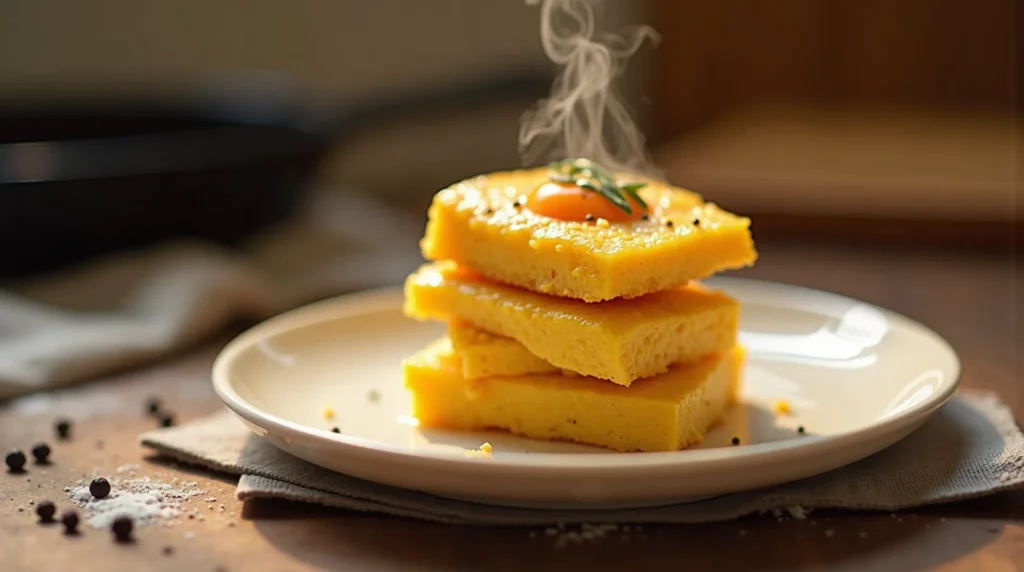
Sheet Pan Eggs for Sandwiches: Easy Prep
Master the art of baking eggs in bulk! These sheet pan eggs for sandwiches are custardy, perfectly portioned, and the ultimate time-saver for busy mornings. Remember to use Halal-certified proteins when assembling!
restaurant_menu Ingredients
Sheet Pan Egg Base
For Assembly (Halal Options)
hardware Essential Tools
Half sheet pan (13x18 inches)
Large mixing bowl
Whisk
Sharp chef’s knife or bench scraper
Wire cooling rack
format_list_numbered Preparation
Baking the Eggs
Preheat your oven precisely to 375°F and ensure the center rack is positioned correctly
Thoroughly grease the entire surface of the 13x18-inch half sheet pan with nonstick spray or melted butter
In a large bowl, whisk the 12 eggs and 1/3 cup of milk together until completely smooth and slightly aerated
Season the egg mixture generously with salt and pepper, then pour evenly onto the prepared sheet pan
Bake for 10 to 12 minutes, watching until the edges are set but the center still has a slight, gentle wobble
Finishing and Cutting
Remove the sheet pan from the oven and immediately sprinkle the 6 ounces of grated cheese evenly over the top surface
Return the pan to the oven for 2 to 3 minutes, just until the cheese is fully melted and glossy
Remove from the oven and allow the eggs to rest on a wire rack for 5 minutes to firm up slightly
Lightly dust the top with an extra pinch of salt and then use a sharp knife to slice the egg slab into 12 perfectly even squares
Allow the squares to cool slightly before wrapping individually for storage or proceeding immediately to assembly
Assembling the Sandwiches
While the eggs are cooling, cook your Halal turkey bacon or beef sausage until crisp according to package directions
Toast the English muffin halves until they achieve a beautiful golden-brown crunch
If desired, spread a thin layer of Dijon mustard or mayonnaise on the bottom half of each muffin
Layer one warm egg square, followed by the cooked Halal protein, and top with any fresh vegetable additions before capping with the muffin top
favorite You Might Also Love
Browse All arrow_forward
Sheet Pan Italian Chicken Sausage and Potatoes: An Easy One-Pan Dinner
Flaky Sopapilla Cheesecake: Layered Dessert Dream

Chef's Guide to Perfect Lazy Mini Tacos Appetizer

Chef's Secret No-Cook Doritos Dip Recipe
Homemade Chick-fil-A Sauce Recipe (Copycat Restaurant Style)

Cheesy Crispy Hotdog Casserole: The Ultimate Comfort Food
Try These Variations
Denver Style Squares
Fold in 1/2 cup pre-sautéed green peppers, 1/2 cup diced onion, and 1/2 cup Halal smoked turkey substitute, using Gruyère cheese
Spicy Southwest
Whisk in 1 tsp smoked paprika, 1/2 tsp cumin, and 1/4 tsp cayenne pepper; top with pepper jack cheese
Herb Garden
Sprinkle generously with finely chopped fresh chives, parsley, and dried thyme before adding the cheese
Chef's Pro Tips
Always use freshly grated cheese; pre-shredded cheeses contain starches that inhibit a smooth, glossy melt over your sheet pan eggs for sandwiches
When slicing the baked egg slab, use a bench scraper or a long, sharp knife pulled straight down—do not saw, as this will tear the delicate structure
Let the eggs rest for a full 5 minutes post-bake. This allows steam to escape gently and the structure to set, preventing messy cuts when making sheet pan eggs for sandwiches
If using frozen egg squares, remove the plastic wrap and microwave on medium power for 60-90 seconds for near-fresh results
Storage Guide
Room Temperature
Not recommended for assembled sandwiches; egg squares only, store airtight for up to 4 hours
Refrigerator
Store individual, unwrapped egg squares separated by parchment in an airtight container for up to 4 days
Freezer
Wrap each portion tightly in plastic wrap, then foil, and freeze for up to 2 months. Thaw overnight or microwave from frozen
Reheating
Microwave individual portions for 45-60 seconds on medium power, or warm in a 325°F oven for 8-10 minutes
Avoid These Mistakes
✕ Overbaking the eggs, resulting in a dry, rubbery texture instead of a custardy interior
Using cold eggs, which can lead to uneven cooking and a slightly curdled appearance in the final sheet pan eggs for sandwiches
✕ Not greasing the pan adequately, causing the edges to stick and tearing the squares upon removal
✕ Failing to pre-cook vegetables, leading to excess water leaching into the batter and making the eggs soggy
nutrition Nutrition Facts
Per serving: 1 sandwich
Nutritional estimates are for one baked egg square (1/12th of the recipe) before adding muffins, meat, or condiments.
flag Conclusion
There you have it—the blueprint for achieving breakfast consistency and quality, even when time is your most precious commodity. These sheet pan eggs for sandwiches are more than just a recipe; they are an organizational strategy wrapped in deliciousness. I encourage you, my friends, to make this batch this weekend. Taste the difference that uniform baking makes, and enjoy the extra ten minutes of sleep you’ve earned back in your morning routine. Head over to HomeRecipes.com for more culinary secrets that bring restaurant quality right to your everyday table. Happy cooking!
sell Related Topics
Frequently Asked Questions
How do I prevent my sheet pan eggs from becoming rubbery? expand_more
Rubbery texture is almost always a result of overcooking or using excessive heat. For these sheet pan eggs for sandwiches, the key is to pull them from the oven when they still have a slight, almost imperceptible jiggle in the center. Remember, residual heat will continue to cook them during the 5-minute resting period. If you bake them until they are completely firm in the oven, they will inevitably be tough once cooled or reheated. Aim for just set, not firm.
Can I add vegetables directly into the egg mixture? expand_more
You certainly can, but you must pre-cook them first! Vegetables like spinach, mushrooms, or onions release a tremendous amount of water during baking. If you add them raw to the batter, that water will leach out, creating a soggy, uneven texture in your sheet pan eggs for sandwiches. Sauté your vegetables until they are completely tender and dry before incorporating them gently into the egg mixture right before pouring into the pan. This ensures they add flavor and texture without compromising the bake.
What is the best way to ensure the cheese melts evenly across the large surface? expand_more
The best technique is to grate the cheese finely and distribute it using a light, even hand. Think of it like dusting flour over dough. If you pile large clumps, you’ll end up with hot spots where some cheese burns and other areas remain unmelted. Also, ensure your oven rack is perfectly level so the heat distribution is uniform across the surface of the sheet pan eggs for sandwiches during that final melt cycle.
I don't have a half sheet pan; what size should I use instead? expand_more
The standard 13x18-inch half sheet pan is ideal because it promotes a thinner layer of egg, which cooks quickly and evenly, perfect for sandwiches. If you only have a standard 9x13-inch baking dish, you can use it, but you must adjust the liquid ratio slightly or expect the egg layer to be significantly thicker. If you use the 9x13 dish, increase the milk by about 1 tablespoon and plan on adding 3 to 5 minutes to the initial bake time, as the depth of the batter has increased. This will still yield excellent sheet pan eggs for sandwiches, just thicker ones.
Can I use egg whites only for a lower-fat version? expand_more
You absolutely can substitute egg whites for whole eggs, but be warned: you will lose significant richness and flavor, impacting the overall quality of your sheet pan eggs for sandwiches. If you choose to proceed, use the equivalent volume of liquid egg whites (about 1 cup of whites per 5 whole eggs) and consider replacing some of the removed yolk fat by adding 1 tablespoon of cream cheese, softened, into the milk mixture to restore some much-needed creaminess. The bake time may decrease slightly.
More Recipes You'll Love
Cowboy Butter Recipe (Savory Compound Butter)

Mary Berry’s Chocolate Cake

Mastering Authentic Hibachi Sauce at Home: Flavor Secrets
The Ultimate Cream Cheese Cranberry Loaf Recipe
Classic Aligot Potatoes Recipe (Stretchy Cheesy Mashed)
Community Kitchen