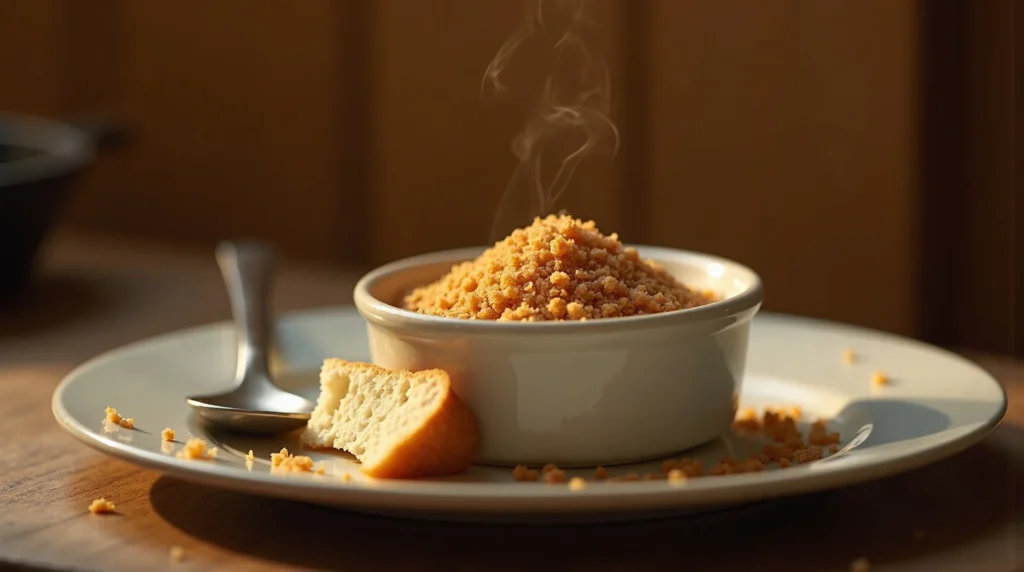
Chef’s Guide: How to Soften Hard Brown Sugar Fast
Never throw out hardened brown sugar again! I'll show you the professional method to restore moisture using controlled steam so you can get back to baking immediately.
restaurant_menu Ingredients
Tools for Softening (Microwave Method)
Tools for Prevention
hardware Essential Tools
Microwave oven
Microwave-safe bowl
Sturdy spoon or fork
Heavy-duty zip-top bag
Baking sheet (for bulk rescue)
format_list_numbered Preparation
Microwave Softening Procedure
Break up the hardened brown sugar chunks manually over the microwave-safe bowl to create smaller pieces
Thoroughly dampen a paper towel, then wring out excess water until it is just moist, not dripping
Place the damp paper towel directly over the sugar inside the bowl to create a steam source
Microwave on high power for 20-second intervals, pausing after each interval to check consistency
Use a fork to break up any remaining clumps during the resting period between heating cycles
Repeat the 15-20 second heating until the sugar is uniformly soft and easily scoopable with a spoon
Immediately transfer the softened sugar to an airtight container for storage
favorite You Might Also Love
Browse All arrow_forward
Authentic Lorna Doone Shortbread Cookies (Copycat Recipe)
Mastering Amish Onion Fritters: Crispy Perfection at Home
Classic Burger Sauce Recipe (Homemade & Creamy)

Baked Cream Cheese Chicken Recipe

Paris-Brest Recipe (Classic Bicycle Wheel Pastry)

The Ultimate Pickle Pizza: A Savory American Favorite
Try These Variations
Oven Bulk Rescue
Spread sugar thinly on a parchment-lined baking sheet and bake at 250°F (121°C) for 6-8 minutes, stirring every 2 minutes until loose
Double Boiler Steam
Place sugar in a bowl, cover tightly with foil, and set over simmering water for 15-20 minutes, allowing steam to penetrate slowly
Marshmallow Moisture Addition
For long-term softness, store sugar with 6-8 fresh marshmallows inside the airtight container
Chef's Pro Tips
Always use medium power on the microwave if you suspect overheating; lower power is safer for delicate ingredients
Never use liquid water; only use the steam generated by a well-wrung damp cloth
If the sugar is exceptionally hard, use the oven method for more even heat distribution across large quantities
Ensure your storage container is fully sealed immediately after softening to lock in the restored moisture
When testing, if it’s still hard, it needs 15 more seconds; if it’s slightly sticky, it’s done and needs to cool immediately
Storage Guide
Room Temperature
Store in an airtight container with a slice of fresh bread or marshmallows inside; replace bread every 3 days
Refrigerator
Store in a tightly sealed container for up to 3 weeks, though cold temperatures encourage drying
Freezer
Place in a heavy-duty zip-top bag, press out all air, and freeze for up to one year; thaw completely before opening the bag
Avoid These Mistakes
✕ Adding liquid water directly to the sugar, which dissolves the molasses and creates a hard candy layer
✕ Overheating the sugar in the microwave, which boils off the molasses moisture entirely, leaving dry white sugar
✕ Using a non-airtight container for storage, which allows moisture to escape within hours
Trying to use rock-hard sugar in recipes, leading to inconsistent texture and density in baked goods
✕ Forgetting to replace stale bread used for moisture retention, causing the sugar to re-harden
nutrition Nutrition Facts
Per serving: N/A (Ingredient Rescue)
This process restores texture, not nutritional value.
flag Conclusion
There you have it, my friends. You are now fully equipped with the knowledge of how to soften hard brown sugar using professional, time-tested methods. No more baking delays, no more ingredient waste! Mastering these simple humidity controls ensures that every recipe, from a simple sausage hash brown casserole with eggs topping to the most delicate holiday confection, starts with ingredients in peak condition. Take pride in rescuing what others throw away; that’s true culinary resourcefulness. Head back to your kitchen, grab that rock-hard container, and bring that rich, caramel flavor back to life. Share your perfectly soft sugar successes with us here at HomeRecipes.com!
sell Related Topics
Frequently Asked Questions
How long does it take to soften a full 2-pound bag of brown sugar? expand_more
If you have a full 2-pound bag that has solidified completely, the microwave method described above becomes inefficient and risks overheating the outer layers. For bulk rescue, I strongly advise using the oven method. Spread it thinly on a parchment-lined baking sheet and bake at 250°F (121°C) for 6 to 8 minutes, stirring vigorously every 2 minutes until you feel the large clumps begin to break down. This gentle, widespread heat allows the molasses to loosen evenly throughout the entire quantity.
Can I use water instead of a damp paper towel to soften brown sugar? expand_more
Absolutely not! This is a classic error that leads to disaster. Adding liquid water directly to the sugar will cause the surface layer of sucrose crystals to dissolve instantly, creating a thick, watery syrup that will then re-harden into an even harder, stickier mass once it cools down. The goal is steam—moist heat—not liquid water. Stick to the damp, wrung-out paper towel for controlled humidity.
If I use the bread trick, does the bread become inedible? expand_more
Yes, the bread will become rock hard and stale very quickly, as it has sacrificed its moisture to the sugar. You must discard the bread after about 3 to 4 days and replace it with a fresh slice. Do not attempt to eat the stale bread. The marshmallows, however, will simply become hard; you can often re-moisten them slightly or use them in other recipes that require dry sugar, though they won't be fluffy anymore.
Is there a difference between softening light brown sugar versus dark brown sugar? expand_more
The technique remains identical, but dark brown sugar requires slightly more attention. Dark brown sugar contains a higher percentage of molasses than light brown sugar. Because it has more moisture to begin with, it can sometimes seize up harder, but it also responds slightly faster to steaming. When heating, check dark brown sugar after only 15 seconds, as its higher molasses content can scorch more easily than the lighter variety.
What if I don't have a microwave? Can I still learn how to soften hard brown sugar? expand_more
Yes, you certainly can! If the microwave isn't an option, you have two excellent alternatives. The first is the low-heat oven method I detailed earlier (250°F for 6-8 minutes, stirring often). The second, slower method involves placing the sugar in a heatproof bowl, covering it tightly with foil, and setting that bowl over a pot of simmering water (a makeshift double boiler). The rising steam will slowly penetrate the sugar over about 15 to 20 minutes. This method is the gentlest but requires the most patience.
More Recipes You'll Love
Delicious and Easy Chicken Pasta Salad Recipe
Southern Sweet Potato Casserole Recipe
Unearthing 5 Classic General Mills Discontinued Cereals
Mini Cinnamon Roll French Toast Bites: A Quick & Easy Treat
Community Kitchen