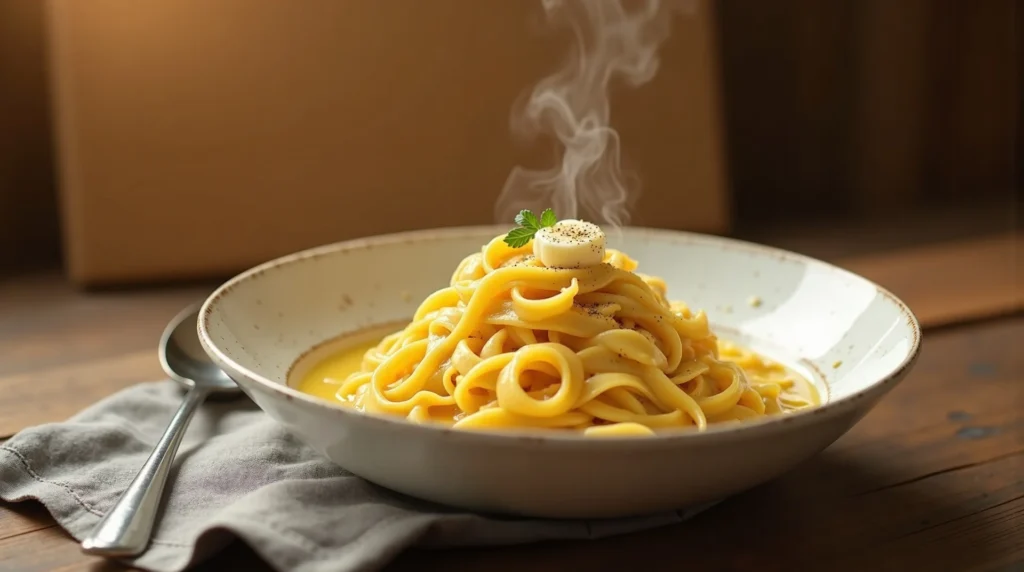
Comfort: Homemade Cafeteria Noodles Recipe
This is the definitive recipe for those deeply satisfying, rich, and creamy cafeteria noodles, elevated with high-quality stock and careful technique for a perfect texture every time.
restaurant_menu Ingredients
Main Ingredients for Cafeteria Noodles
Optional Flavor Enhancers
hardware Essential Tools
Large, heavy-bottomed stockpot with lid
Whisk
Measuring cups and spoons
Sharp knife for butter
format_list_numbered Preparation
The Boil and Simmer
Combine the chicken stock and the concentrated chicken base in a large stockpot and place over high heat until a vigorous boil is achieved
Reduce the heat slightly to maintain a strong simmer, then whisk in the entire can of cream of chicken soup until completely smooth
Add the pound of egg noodles, stirring well to ensure all noodles are submerged in the liquid base
Allow the mixture to boil steadily for exactly 2 minutes, stirring occasionally to prevent clumping
The Rest and Finish
Immediately remove the pot completely from the heat source and cover tightly with a lid
Allow the noodles to rest undisturbed for 15 to 20 minutes; this steam-cooking is essential for the authentic texture of cafeteria noodles
After resting, remove the lid and stir in the cold, cubed salted butter until it has completely melted and incorporated into a silky sauce
Season aggressively with freshly ground black pepper to taste, stirring gently one last time before serving immediately
favorite You Might Also Love
Browse All arrow_forward
The Ultimate Slow Cooker Swamp Potatoes Recipe
Hearty Kielbasa Pierogies Casserole Recipe

The Ultimate Cheesy Everything Bagel Bites Recipe: Crispy Snack Perfection
Golden Sliced Baked Potatoes: The Ultimate Crispy Recipe
The Ultimate Homemade Noodles Romanoff Recipe
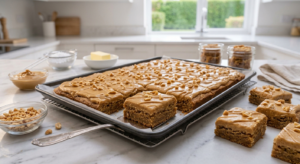
Ultimate Peanut Butter Lunch Lady Cookie Bars Recipe
Try These Variations
Cheesy Upgrade
Stir in 1/2 cup of finely grated sharp cheddar cheese or Gruyère during the final butter incorporation stage off the heat.
Garlic Butter Kick
Before adding the broth, sauté 3 cloves of minced garlic in 2 tablespoons of the butter until fragrant (about 1 minute).
Herbaceous Flavor
Fold in 1/4 cup of frozen peas and 2 tablespoons of chopped fresh dill or chives right before serving for color and freshness.
Spicy Kick
Add 1/2 teaspoon of red pepper flakes when you add the cream of chicken soup for a subtle, background warmth.
Chef's Pro Tips
Always use a heavy-bottomed pot. Thin aluminum pans cause hotspots, leading to scorched milk solids from the soup base sticking to the bottom—a flavor you do not want in your cafeteria noodles.
When testing for doneness after the rest, if the noodles are still slightly too firm, add just 1/4 cup of hot water or broth, cover, and rest for another 5 minutes.
To achieve that classic, slightly glossy finish, ensure you are stirring the final butter in gently off the heat; this preserves the fat’s integrity.
If you are prepping these for a crowd, it is better to undercook the noodles by about 2 minutes during the initial boil, relying more heavily on the resting phase to finish them.
Storage Guide
Room Temperature
Due to the dairy/soup content, only leave at room temperature for a maximum of 2 hours before refrigerating.
Refrigerator
Store in an airtight container for up to 4 days; expect noodles to firm up significantly.
Freezer
Not recommended for best texture, as the sauce can separate upon thawing and reheating.
Reheating
Reheat on the stovetop over medium-low heat, adding 1-2 tablespoons of chicken stock or milk per serving until creamy.
Avoid These Mistakes
✕ Leaving the pot on the heat source during the 15-20 minute rest period, which leads to scorching or overcooking the noodles into mush.
✕ Forgetting to stir the noodles immediately after adding them to the boiling broth, causing them to clump together in a dense mass.
✕ Using room temperature or melted butter at the end; cold butter emulsifies much better, creating a silkier sauce texture for your cafeteria noodles.
✕ Not tasting for salt and pepper before serving; the final seasoning stage locks in the flavor profile that makes these cafeteria noodles so addictive.
✕ Using insufficient pot size; a pot that is too small will lead to uneven cooking, sticking, and a reduced final volume of sauce.
nutrition Nutrition Facts
Per serving: 1.5 cups cooked noodles
Sodium content is high due to canned soup and bouillon; consider low-sodium options if monitoring intake.
flag Conclusion
There you have it—a dish that proves culinary mastery isn’t about complexity, but about technique applied to quality ingredients. These cafeteria noodles are a testament to the power of simple, well-executed comfort food. They are creamy, savory, and profoundly satisfying. Now, it is your turn to bring this nostalgic favorite into your home kitchen and serve it with pride. Experiment with the variations, trust the resting time, and enjoy the simplest, yet most rewarding, bowl of pasta you’ve made all week. Head over to HomeRecipes.com for more ways to elevate your everyday meals!
sell Related Topics
Frequently Asked Questions
Why is the resting time off the heat so important for these cafeteria noodles? expand_more
That resting period is the professional secret to perfect texture. By removing the pot from the direct heat, you stop the boiling process, which prevents the noodles from becoming gummy or breaking apart. The trapped steam gently finishes cooking the noodles while the starches slowly release into the liquid, resulting in a thick, creamy sauce that clings perfectly, rather than a thin, watery broth.
I like richer pasta dishes like Noodles Romanoff; how can I make these noodles taste more complex? expand_more
To move toward a richer profile like Noodles Romanoff, you need acidity and sharpness. After the final seasoning, stir in 1 tablespoon of sour cream or crème fraîche, along with a teaspoon of Dijon mustard. This adds tang and body that the simple cream of chicken soup base lacks. Also, consider adding sautéed onions or mushrooms during the initial simmer.
Can I use frozen egg noodles instead of dried noodles? expand_more
You can, but you must adjust your liquid ratio significantly. Frozen egg noodles are already partially hydrated. If using frozen, start with only 2 cups of chicken stock, bring that to a boil with the soup base, and then add the frozen noodles. You will likely only need the 2-minute boil and perhaps a shorter 10-minute rest, as they cook much faster than dried varieties.
I noticed you didn't include any meat; what is a good halal meat pairing? expand_more
These cafeteria noodles are traditionally served as a side, but they pair beautifully with simple, tender meats. For a main course, I suggest pan-seared halal chicken cutlets seasoned simply with salt, pepper, and garlic powder. Alternatively, for a heartier meal reminiscent of a hamburger meat egg noodles recipe, brown 1 pound of ground halal beef, drain thoroughly, and stir it in right after the cream of chicken soup is incorporated.
My noodles absorbed all the liquid but are still slightly hard in the center. What went wrong? expand_more
This usually means the initial boil wasn't hot enough, or the noodles weren't fully submerged initially. If they are still firm after the 20-minute rest, don't panic. Add exactly 1/2 cup of hot chicken stock or water, bring the mixture back to the lowest possible simmer, cover, and let sit for another 5-7 minutes. The key is to add liquid slowly until the center is tender.
More Recipes You'll Love
Mastering No Boil Lasagna in Your Slow Cooker
13 Decorating Trends Ap: Mastering Professional Cake Frosting

Ultimate Hugo Spritz Recipe: Classic Cocktail & Refreshing Mocktail

Creamy Garlic Parmesan Pasta Casserole
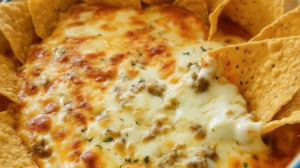
Texas Trash Dip: The Ultimate Cheesy Party Appetizer
Community Kitchen