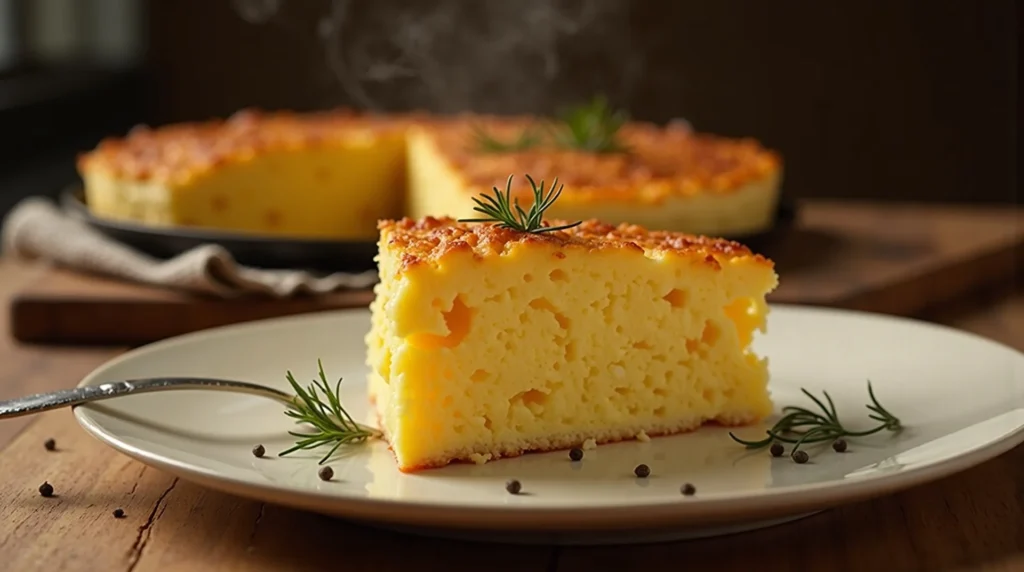
The Ultimate Cottage Cheese Egg Bake: High-Protein Breakfast Perfection
This is not your grandmother's baked eggs! We achieve an incredibly light, almost soufflé-like structure in this Cottage Cheese Egg Bake by smoothing the curd first, resulting in a high-protein breakfast centerpiece.
restaurant_menu Ingredients
Core Ingredients for the Cottage Cheese Egg Bake
Optional Flavor Enhancers
hardware Essential Tools
9x13-inch baking dish
Large mixing bowl
Blender or immersion blender
Whisk
Rubber spatula
Wire cooling rack
format_list_numbered Preparation
Bake Preparation and Custard Base
Preheat your oven to 400°F (200°C) and thoroughly grease a 9x13-inch baking dish with butter or cooking spray
Place the cottage cheese into a blender or use an immersion blender until it is completely smooth and creamy, resembling thick Greek yogurt
In a large bowl, combine the smooth cottage cheese and the 10 room-temperature eggs, whisking until the mixture is uniformly pale and slightly frothy
In a separate small bowl, whisk together the all-purpose flour, baking powder, and black pepper until fully incorporated
Mixing and Baking the Cottage Cheese Egg Bake
Gently sprinkle the dry ingredient mixture over the wet ingredients, followed by the melted butter, and mix only until just combined; take care not to overmix the batter
Carefully fold in the 3 cups of shredded Swiss cheese and any optional additions like green onions until evenly distributed throughout the cottage cheese egg bake batter
Pour the entire mixture into the prepared baking dish, ensuring the surface is level
Bake at 400°F (200°C) for 15 minutes to set the structure quickly
Reduce the oven temperature to 350°F (175°C) and continue baking for an additional 15 to 20 minutes, or until the top is golden brown and the center is firm to the touch
Resting and Serving
Remove the finished cottage cheese egg bake from the oven and allow it to rest on a wire rack for at least 10 minutes before slicing
Slice into 12 even portions and serve warm or at room temperature
favorite You Might Also Love
Browse All arrow_forward
Classic Pan-Fried Potatoes and Onions: A Depression-Era Comfort Food Recipe

The Ultimate Copycat: No Chick-Fil-A Sauce You Can Make Today

20 Minute Bread Recipe (Quick & Easy)

Crock Pot French Onion Meatballs Recipe (Savory & Easy)

Southern 4-Ingredient Green Chile Pinwheels

Slow Cooker Amish Pepper Jack Noodle Bake Recipe (Easy)
Try These Variations
Herb Garden: Replace green onions with 1/4 cup chopped fresh parsley and dill
Smoked Turkey & Cheddar: Substitute Swiss cheese with sharp yellow cheddar and add 1 cup of finely diced, cooked halal smoked turkey breast
Savory Crust
For a bit of texture, press 1 cup of crushed whole-wheat crackers mixed with 2 tablespoons of melted butter onto the bottom of the pan before adding the batter
Spicy Southwestern
Incorporate 1/2 cup of drained, rinsed black beans and 1/4 cup diced fire-roasted green chilies into the mix
Chef's Pro Tips
Always use small-curd cottage cheese for the best blending results; large curd can remain gritty even with heavy blending
To ensure your bake doesn’t crack severely on top, always reduce the heat mid-bake; rapid temperature changes cause expansion and contraction that leads to fissures
If you are making this ahead of time, underbake it by about 5 minutes, then finish it through when you are ready to serve for a fresher taste
Measure the flour using the scoop-and-level method to avoid compacting it, which adds too much flour and results in a gummy texture
Storage Guide
Refrigerator
Store cooled slices tightly wrapped in plastic wrap or in an airtight container for up to 4 days
Freezer
Wrap slices individually in plastic wrap and then foil, freezing for up to 2 months; thaw overnight in the refrigerator before reheating
Reheating Oven
Reheat portions at 325°F (160°C) on parchment paper for 10-12 minutes until heated through
Avoid These Mistakes
✕ Failing to blend the cottage cheese smooth, resulting in a curdy, watery texture in the final cottage cheese egg bake
✕ Overmixing the batter after adding the flour, which develops gluten and makes the bake tough instead of fluffy
✕ Baking the entire time at 400°F, which causes the edges to dry out and become leathery before the center is cooked
✕ Using cold eggs, which prevents proper emulsification with the fats and leads to a denser final product
nutrition Nutrition Facts
Per serving: 1 slice
Nutrition estimates based on 12 servings using Swiss cheese and omitting optional ingredients.
flag Conclusion
There you have it—the blueprint for the most satisfying, protein-packed breakfast you can create in your own oven: the magnificent cottage cheese egg bake. This recipe proves that nutritious eating doesn’t require sacrificing texture or flavor. It’s a sturdy, versatile dish that will earn its permanent spot in your rotation, whether you’re serving brunch for company or just feeding your family on a busy Tuesday. Embrace the technique of blending the cottage cheese smooth; that small step is the difference between good and truly spectacular. I encourage you to try this cottage cheese egg bake this weekend and see the pride you feel serving something so wholesome and delicious. Share your success stories back here at HomeRecipes.com!
sell Related Topics
Frequently Asked Questions
Can I substitute the cottage cheese with ricotta cheese for this cottage cheese egg bake? expand_more
While ricotta is a suitable cheese, it behaves differently than cottage cheese. Ricotta is smoother and less tangy. If you use ricotta, I strongly advise you to blend it until perfectly smooth first, just as we do with the cottage cheese, to prevent a grainy texture. The characteristic light tang of this specific cottage cheese egg bake comes directly from the cottage cheese, so the flavor profile will shift.
What is the best way to add vegetables to this recipe without making it watery? expand_more
Vegetables are fantastic additions, but moisture management is key. If you are using high-moisture vegetables like mushrooms, zucchini, or spinach, you must sauté them first! Cook them down in a dry skillet until all their released liquid has evaporated. Then, let them cool completely before folding them into the batter along with the cheese. For peppers or onions, dicing them very finely helps them blend seamlessly into the final texture of the cottage cheese egg bake.
My bake rose beautifully but then collapsed significantly after cooling. What went wrong? expand_more
This is a very common occurrence, often related to the initial high heat. The initial blast at 400°F causes rapid steam expansion, giving you that impressive rise. If it collapses too much, it usually means the internal structure wasn't fully set before you dropped the temperature. Ensure you are following the 15-minute mark strictly at the high temperature and that the center is firming up before dropping to 350°F. Also, ensure your baking powder is fresh; old leavening agents result in weak structural support.
Can I make this cottage cheese egg bake a single-serving breakfast? expand_more
Absolutely! This cottage cheese egg bake scales down perfectly. For a single serving, use 1 cup of cottage cheese, 2 large eggs, about ¾ cup of shredded cheese, and scale the flour and baking powder proportionally (about 2 tablespoons of flour and ¼ teaspoon of baking powder). Bake it in a well-greased ramekin or small oven-safe bowl at 350°F for 20-25 minutes until set. It’s a perfect quick grab-and-go option!
Is there a way to make this cottage cheese egg bake spicy? expand_more
Certainly! Spice is welcome here. Instead of just black pepper, try incorporating ½ teaspoon of smoked paprika and a pinch of cayenne pepper into your dry ingredients. For a fresh heat, fold in 1 finely minced jalapeño (seeds removed for moderate heat) along with the cheese. If you want a richer, deeper heat, consider adding 1 teaspoon of your favorite high-quality hot sauce (ensuring it is alcohol-free, of course) directly into the wet mixture.
More Recipes You'll Love

The Chef’s Guide: Why Does Easter Change Every Year?
The Ultimate Homemade Noodles Romanoff Recipe
Old-Fashioned Fried Potatoes and Onions: A Classic Skillet Recipe
Chicken and Waffles Recipe (Southern Comfort)
Mastering Induction Cooking: Techniques for the Modern Kitchen

Community Kitchen