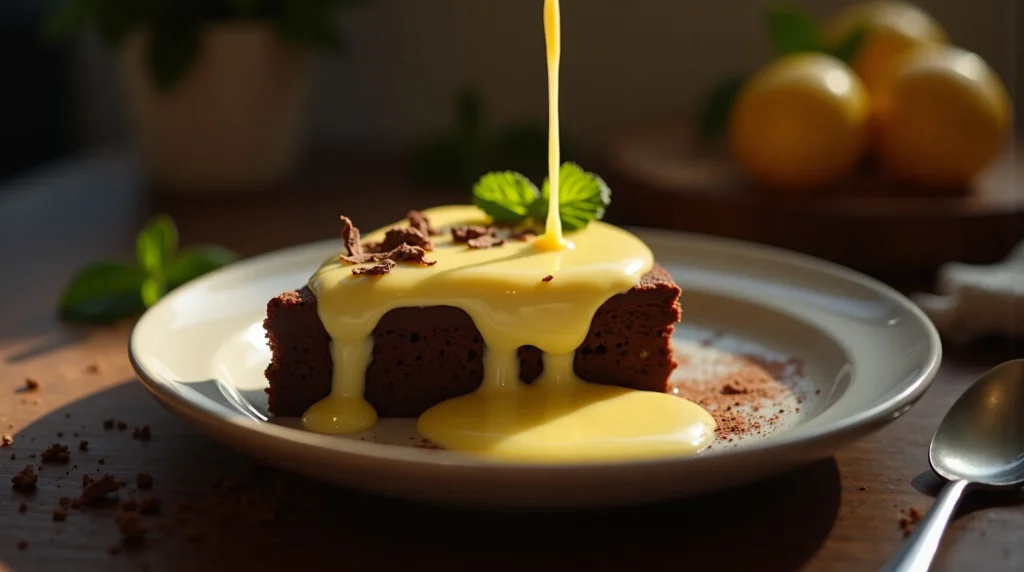
Mastering French Vanilla: The Secret to Rich, Custard-Based Flavor
This is the definitive guide to creating a true French vanilla custard base, focusing on the essential technique of tempering egg yolks for unparalleled richness and silkiness. It’s the foundation for the best ice creams and sauces you will ever make.
restaurant_menu Ingredients
French Vanilla Custard Base Ingredients
Equipment Essentials
hardware Essential Tools
Heavy-bottomed saucepan
Whisk
Rubber spatula or wooden spoon
Fine-mesh sieve
Large bowl for ice bath
Instant-read thermometer
format_list_numbered Preparation
Preparation: Infusion and Tempering
In a heavy-bottomed saucepan, combine the heavy cream and whole milk. If using a vanilla bean, slice it open, scrape out the seeds, and add both the pod and seeds to the dairy mixture
Heat the dairy mixture over medium heat until small bubbles appear around the edges, then remove from heat, cover, and allow the vanilla to steep for 20 minutes
While the dairy steeps, whisk the 6 egg yolks and 1/2 cup of sugar vigorously in a separate bowl until the mixture is pale yellow and forms ribbons when lifted
Remove the vanilla pod from the steeped cream mixture
Temper the yolks by slowly drizzling one ladleful of the warm cream mixture into the yolks while whisking constantly and rapidly to prevent scrambling
Repeat with a second ladleful of warm cream, still whisking continuously
Cooking and Finishing the Custard
Pour the tempered yolk mixture back into the saucepan containing the remaining warm cream
Return the saucepan to medium-low heat and stir continuously with a spatula, scraping the bottom to prevent scorching
Cook until the custard thickens enough to coat the back of the spoon and registers 170°F (77°C) on a thermometer; do not allow it to boil
Immediately remove from heat and strain the entire mixture through a fine-mesh sieve into a clean bowl set over an ice bath to stop the cooking process instantly
If using extract instead of a bean, stir in 2 teaspoons of pure vanilla extract now
Cover the surface directly with plastic wrap to prevent a skin from forming, and chill in the refrigerator for a minimum of 4 hours before using in your French vanilla application
favorite You Might Also Love
Browse All arrow_forward
Old-Fashioned Fried Potatoes and Onions: A Classic Skillet Recipe
No-Bake Biscoff Cheesecake: A Dreamy 5-Ingredient Dessert
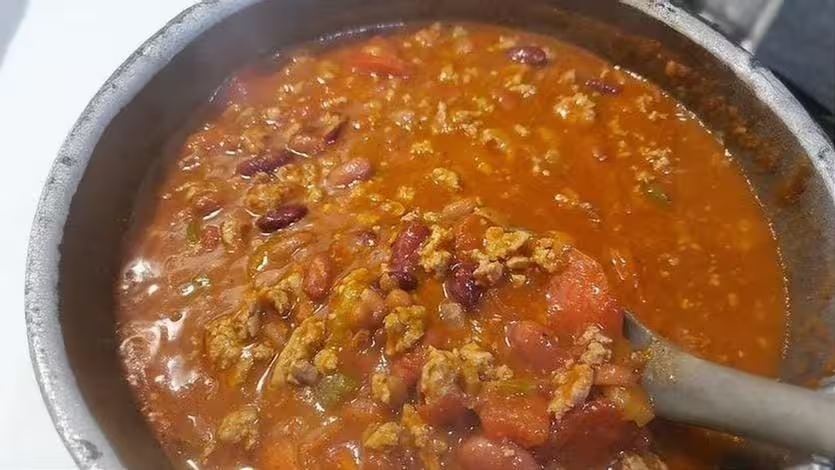
Cozy Homestyle Copycat Chili Recipe: A Heartwarming Classic
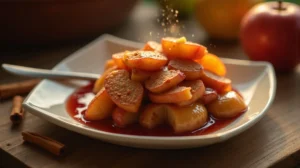
Vintage Candied Apple Bake: A Sweet Classic
13 Decorating Trends Ap: Mastering Professional Cake Frosting
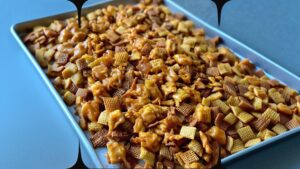
Caramel Corn Snack Mix Recipe (Sweet & Salty)
Try These Variations
Classic French Vanilla Ice Cream
Chill base completely, then churn according to your ice cream maker’s instructions until firm
French Vanilla Pastry Cream (Crème Pâtissière)
Thicken the base further by whisking in 3 tablespoons of cornstarch with the sugar before tempering, cooking until very thick
French Vanilla Pudding
Substitute 1/4 cup of the sugar with brown sugar for a deeper, molasses note, and cook until thick enough to mound softly; chill thoroughly
Subtle Spice Variation
Add one cinnamon stick and 3 whole cloves to the dairy during the initial infusion step for a warming complexity to the French vanilla flavor
Chef's Pro Tips
Always bring your eggs to room temperature before baking — cold eggs can cause the batter to curdle
For extra moisture, add 2 tablespoons of sour cream or Greek yogurt to the batter
Use a high-quality, heavy-bottomed saucepan to distribute heat evenly, which is crucial when cooking egg-based sauces like this French vanilla custard
If the sauce seems too thin after chilling, you can gently reheat it and whisk in 1 teaspoon of cornstarch mixed with 1 tablespoon of cold milk, then re-chill
Taste the mixture after chilling, as the cold dulls the perception of sweetness; adjust if necessary before final use
Storage Guide
Room Temperature
Store in an airtight container for up to 2 days (only if fully cooked and cooled quickly)
Refrigerator
Wrap tightly in plastic wrap directly touching the surface and refrigerate for up to 4 days
Freezer
Transfer to a freezer-safe, airtight container and freeze for up to 3 months (best used for making churned ice cream later)
Avoid These Mistakes
✕ Overmixing the batter, which develops too much gluten and results in a tough, dense texture
✕ Using cold butter instead of room-temperature butter, preventing proper creaming
Failing to temper the eggs slowly, causing the yolks to scramble instantly upon contact with hot liquid
✕ Boiling the custard, which destroys the lecithin’s emulsifying power and results in a grainy, broken sauce
✕ Not straining the final mixture, leaving behind any small bits of cooked egg or undissolved vanilla seed
nutrition Nutrition Facts
Per serving: Approximately 3/4 cup
This is a rich custard base; nutritional values reflect the high-fat content necessary for authentic French vanilla texture.
flag Conclusion
The journey to understanding French vanilla flavor is a journey into classical pastry technique. By respecting the role of the egg yolk and mastering the slow, deliberate process of tempering, you move beyond mere flavoring and start creating true culinary texture. This custard base is your passport to world-class desserts made right at your kitchen table. Master this, and you’ll never look at a bottle of ‘French vanilla’ creamer the same way again. Go forth and create that beautiful, silky richness!
sell Related Topics
Frequently Asked Questions
What is the key chemical difference between 'vanilla' and 'French vanilla' flavoring? expand_more
The primary difference is structural, not chemical, in the final product. 'Vanilla' flavor often refers to a simple flavoring in a water or alcohol base (like in a simple cake batter). French vanilla, culinarily speaking, necessitates the inclusion of egg yolks and a high-fat dairy base (a custard). The lecithin from the yolks acts as an emulsifier, creating a much richer, thicker, and slower-dissipating mouthfeel that makes the vanilla flavor linger longer—that is the essence of French vanilla.
If I want a stronger vanilla taste, should I just add more vanilla extract to the custard? expand_more
Resist the urge! Adding too much pure vanilla extract to a custard base, especially while cooking, can introduce bitterness or an overwhelming alcoholic sharpness that masks the delicate richness of the egg yolks. If you want a stronger flavor, use a real vanilla bean—the caviar inside provides deeper, more complex aromatics than most extracts. If sticking with extract, add the majority of it *after* the custard has been removed from the heat and strained, allowing the volatile aromatics to remain vibrant.
Can I use this French vanilla base to make a stovetop ice cream without churning? expand_more
You can, but the texture will not be ideal. If you must avoid churning, you can freeze the fully chilled French vanilla base in a shallow pan, stirring vigorously with a fork every 30 minutes for the first 3 hours to break up ice crystals. However, because this base is high in fat and low in stabilizers (like corn syrup), it will likely freeze very hard and icy compared to a professionally churned product. For the best result, use a standard ice cream maker.
Why did my French vanilla custard stick to the bottom of the pan and burn slightly? expand_more
This occurs when heat transfer is uneven, usually due to using a thin-gauge saucepan or failing to stir constantly. Egg proteins are delicate and stick quickly to hot spots. Always use a heavy-bottomed pan, which distributes heat more evenly across the base. When stirring, use a spatula to physically scrape the bottom surface constantly; this friction keeps the proteins suspended in the liquid phase rather than allowing them to settle and scorch.
What is the best way to ensure my French vanilla dessert is Halal compliant? expand_more
Since this recipe focuses on dairy, eggs, and vanilla, it is inherently Halal, provided the vanilla extract used does not contain alcohol derived from wine or spirits. Most high-quality pure vanilla extracts use grain alcohol, which is generally permissible in many Halal interpretations, but it is best practice to check the label or seek out certified Halal vanilla products if you have strict requirements. Ensure all dairy and eggs come from reputable, non-contaminated sources.
More Recipes You'll Love
Flaky Sopapilla Cheesecake: Layered Dessert Dream
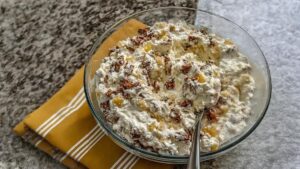
Pineapple Crackle Salad Recipe (Sweet & Crunchy)
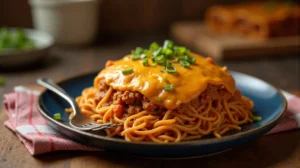
Taco Spaghetti Bake Recipe
Easy Slow Cooker Pineapple BBQ Meatballs Recipe
Homemade Fruit Cocktail Recipe (Better Than Canned!)
Community Kitchen