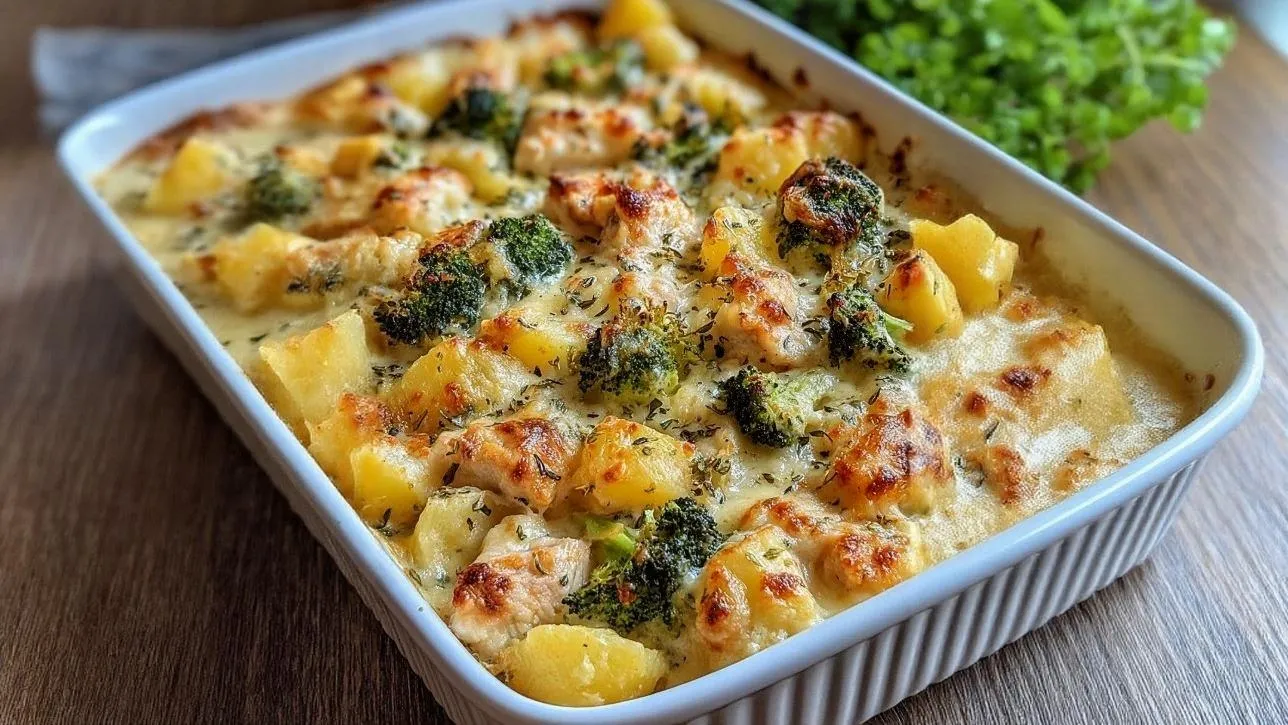
Diced Chicken Breast Recipe (Stovetop Perfection)
Unlock the secret to achieving perfectly juicy, tender, and golden-brown diced chicken breast every single time with this world-class chef's method. This recipe focuses on precise techniques for stovetop cooking, ensuring your chicken is never dry and always packed with flavor, making it an indispensable skill for any home cook looking to elevate weeknight meals.
restaurant_menu Ingredients
Main Ingredients
hardware Essential Tools
Sharp chef's knife
Cutting board
Paper towels
Large mixing bowl
Instant-read meat thermometer
Large heavy-bottomed skillet (cast iron or stainless steel recommended)
Spatula or tongs
Plate or clean cutting board for resting
Aluminum foil
format_list_numbered Preparation
Preparing the Chicken
Begin by trimming any excess fat from your boneless, skinless chicken breasts.
Dice the chicken into uniform 1-inch cubes to ensure even cooking, a crucial step for consistent results.
Transfer the diced chicken to a bowl and thoroughly pat it dry with paper towels; this removes surface moisture, which is essential for achieving a perfect golden-brown sear.
Seasoning and Searing
Season the dried chicken generously with kosher salt, freshly ground black pepper, garlic powder, onion powder, and Italian seasoning, tossing to coat each piece evenly.
Heat a large, heavy-bottomed skillet over medium-high heat, adding high smoke point oil until it shimmers, indicating it's ready for searing.
Carefully add the seasoned chicken to the hot skillet in a single layer, making sure not to overcrowd the pan; cook in batches if necessary to maintain pan temperature and promote browning.
Allow the chicken to cook undisturbed for 3-4 minutes until a beautiful, deep golden-brown crust forms on the bottom, signifying the start of the Maillard reaction.
Finishing and Resting
Stir the chicken after the initial sear and continue cooking for another 3-4 minutes, turning occasionally, until all sides are golden and the internal temperature reaches 165°F (74°C) when checked with an instant-read meat thermometer.
Immediately remove the cooked chicken from the skillet and transfer it to a clean plate or cutting board.
Tent the chicken loosely with aluminum foil and allow it to rest for 3-5 minutes; this critical step allows the juices to redistribute, ensuring incredibly tender and moist results.
favorite You Might Also Love
Browse All arrow_forwardFour-Ingredient Slow Cooker Beef and Potato Bake Mastery
Dolly Parton Casserole Recipe (Easy 5 Ingredient Meal)
Crispy Black Bean Tacos Recipe (Flavorful & Easy Weeknight)
Crockpot Kitchen Sink Casserole Recipe (Hearty & Versatile)
One-Pan Chicken and Rice Recipe (Comforting Baked)
Chicken Tamale Pie Recipe (Hearty Southwestern Comfort)
Try These Variations
Spicy Southwest Chicken
Amp up the flavor by adding 1 teaspoon of chili powder, 1/2 teaspoon of smoked paprika, and a pinch of cayenne pepper to your seasoning blend. Serve this fiery diced chicken breast over a bed of cilantro-lime rice with black beans and corn salsa for a vibrant meal. The spice adheres perfectly to the chicken when you cook chicken breast on stove, creating a delicious crust. This variation is fantastic for tacos or burrito bowls, offering a bold kick that will awaken your taste buds.
Lemon-Herb Mediterranean Chicken
Introduce a bright, zesty profile by incorporating 1 tablespoon of fresh lemon zest and an extra 1/2 teaspoon of dried oregano into your seasoning. A squeeze of fresh lemon juice after cooking will further elevate the flavors. This variation pairs beautifully with a Greek salad, couscous, or grilled vegetables, bringing a touch of the Mediterranean to your table. The lemon brightens the rich chicken, making it incredibly refreshing.
Honey-Garlic Glazed Chicken
After the chicken is fully cooked and resting, quickly whisk together 2 tablespoons of honey, 1 tablespoon of soy sauce, and 1 teaspoon of minced garlic in the same hot skillet (off the heat). Return the chicken to the skillet and toss to coat in the sticky, savory glaze. This creates a sweet and savory coating that’s irresistible, perfect over white rice or alongside sautéed greens. The residual heat from the pan and chicken will warm the glaze without overcooking the chicken.
Chef's Pro Tips
The Maillard Reaction is Your Friend
That beautiful golden-brown crust on your chicken isn’t just for looks; it’s the result of the Maillard reaction, a chemical process between amino acids and reducing sugars that creates hundreds of new flavor compounds. To achieve this, ensure your pan is hot enough and your chicken is dry. This reaction dramatically enhances the savory depth and complexity of your diced chicken breast, making it taste truly exceptional. It’s why understanding how long to cook chicken breast on stove at the right temperature is paramount for flavor development.
Don’t Be Afraid of Seasoning
Chicken breast is a blank canvas. Many home cooks under-season, leading to bland results. Remember that much of the seasoning will cook off or be diluted by the chicken’s natural juices. Season aggressively and evenly before cooking, ensuring each piece is coated. This builds flavor from the outside in, creating a more delicious bite. A well-seasoned piece of chicken will taste infinitely better than an under-seasoned one, even with perfect cooking.
The Power of Resting
Just like a larger cut of meat, small diced chicken benefits immensely from a brief rest. When meat cooks, the muscle fibers contract, pushing juices to the center. If you cut into it immediately, those juices will gush out, leaving you with dry chicken. Resting allows the fibers to relax and the juices to redistribute throughout the meat, resulting in a significantly more tender and moist product. This simple step, taking only a few minutes, makes a huge difference in the final texture of your chicken breast.
Storage Guide
Refrigerator Storage
Once your diced chicken breast has completely cooled, transfer it to an airtight container. This prevents exposure to air, which can dry out the chicken and introduce bacteria. Store in the coldest part of your refrigerator, typically the bottom shelf, for up to 3 to 4 days. Labeling with the date cooked is a good practice for food safety and freshness tracking.
Freezer Storage
For longer storage, place the cooled diced chicken in a single layer on a parchment-lined baking sheet and freeze for about an hour until firm. This prevents the pieces from sticking together. Then, transfer the frozen chicken to a freezer-safe bag or container, pressing out as much air as possible to prevent freezer burn. It can be stored for up to 3 months. Thaw overnight in the refrigerator before reheating for best results.
Reheating for Juiciness
To reheat, the goal is to warm it without drying it out. For stovetop, place chicken in a skillet over medium-low heat with a tablespoon of chicken broth or water, cover, and gently warm, stirring occasionally, until heated through to 165°F (74°C). The added liquid creates steam, preventing the chicken from becoming tough. For microwave, use short 30-second intervals, stirring between each, until hot, again, adding a little liquid to keep it moist. Avoid high heat and long microwave times as this is the quickest way to dry out your perfectly cooked chicken.
Avoid These Mistakes
✕ Overcrowding the Pan
When too much chicken is added to the skillet at once, it drastically lowers the pan’s temperature. Instead of searing, the chicken begins to steam in its own juices, preventing the formation of that desirable golden-brown crust. This leads to pale, rubbery, and less flavorful chicken. Always cook in batches, leaving ample space between pieces to ensure proper heat distribution and a successful Maillard reaction, crucial for delicious chicken breast on stove.
✕ Not Patting the Chicken Dry
Excess surface moisture is the enemy of a good sear. If the chicken is wet, the energy from the hot pan will first be spent evaporating the water rather than browning the meat. This delays the Maillard reaction and often results in chicken that is steamed rather than seared, lacking that crispy, flavorful exterior. A quick, thorough pat-down with paper towels is a simple yet vital step to achieve a superior crust.
✕ Overcooking Past 165°F (74°C)
Chicken breast is very lean and dries out quickly once it surpasses its safe internal cooking temperature of 165°F. Every degree above this point contributes to a tougher, stringier, and less palatable texture. Always use an instant-read meat thermometer and remove the chicken from the heat as soon as it reaches 165°F. Remember, a brief resting period will allow the temperature to rise a few more degrees, known as carryover cooking, ensuring maximum juiciness and tenderness when you cook chicken breast on stove.
✕ Unevenly Diced Chicken
If your chicken pieces are not uniform in size, some will inevitably cook faster than others. This means by the time the largest pieces are cooked through, the smaller pieces will be severely overcooked and dry. Taking a few extra moments to dice your chicken into consistent 1-inch cubes ensures that every piece cooks at the same rate, resulting in uniformly tender and juicy results throughout the batch. This precision is a hallmark of professional cooking.
nutrition Nutrition Facts
Per serving: 1 serving (approx. 4 oz cooked chicken)
Nutritional values are estimates and can vary based on specific ingredients and preparation methods.
sell Related Topics
Frequently Asked Questions
How do I know if my chicken breast is fully cooked? expand_more
The most reliable way to determine if your chicken breast is fully cooked and safe to eat is by using an instant-read meat thermometer. Insert the thermometer into the thickest part of the chicken piece, ensuring it doesn't touch the pan. The internal temperature should read 165°F (74°C). Visually, the chicken should be opaque throughout with no pink remaining, and the juices should run clear. Relying solely on color can be misleading, so always trust your thermometer for food safety and optimal texture.
Can I use frozen chicken breast for this recipe? expand_more
While you can use frozen chicken breast, it's crucial to thaw it completely before dicing and cooking. Attempting to dice or cook chicken from frozen will result in uneven pieces and inconsistent cooking, leading to some parts being overcooked and dry while others might still be undercooked. Thaw chicken overnight in the refrigerator or use the defrost setting on your microwave, then proceed with the recipe as directed. This ensures you achieve that perfect texture and even cooking when you cook chicken breast on stove.
What are some common seasonings for diced chicken breast? expand_more
Beyond our basic salt, pepper, garlic, onion, and Italian seasoning, the world of spices is your oyster! For a smoky flavor, try paprika or chili powder. Cumin and coriander add an earthy, warm note, great for Mexican or Southwestern dishes. For a Mediterranean twist, sumac and dried oregano are fantastic. Lemon zest can brighten up any chicken dish, and a touch of cayenne pepper or red pepper flakes adds a pleasant heat. Don't be afraid to experiment with your favorite blends to find what you love the most, especially when considering how long to cook chicken breast on stove to absorb those flavors.
Why does my chicken breast sometimes turn out rubbery? expand_more
Rubbery chicken breast is almost always a sign of overcooking. Chicken breast is very lean, and when its proteins are exposed to excessive heat for too long, they seize up and expel moisture, resulting in a tough, dry, and rubbery texture. This is why using a meat thermometer to ensure it reaches precisely 165°F (74°C) and then immediately removing it from the heat is so critical. Also, overcrowding the pan can lead to steaming instead of searing, which also contributes to a less desirable texture. Understanding how long to cook chicken breast on stove for just the right amount of time is the key to tenderness.
Can I cook diced chicken breast in an air fryer or oven instead? expand_more
Absolutely! While our focus here is the stovetop, diced chicken breast is wonderfully versatile. For an air fryer, preheat to 380°F (193°C), lightly oil and season the chicken, then cook for 10-12 minutes, shaking the basket halfway through, until it reaches 165°F (74°C) internal temperature. For oven baking, preheat to 425°F (220°C), toss the seasoned chicken with a little oil, spread it on a baking sheet in a single layer, and bake for 16-20 minutes, stirring halfway, until it reaches 165°F (74°C). Both methods offer delicious alternatives to cooking chicken breast on stove.
Community Kitchen