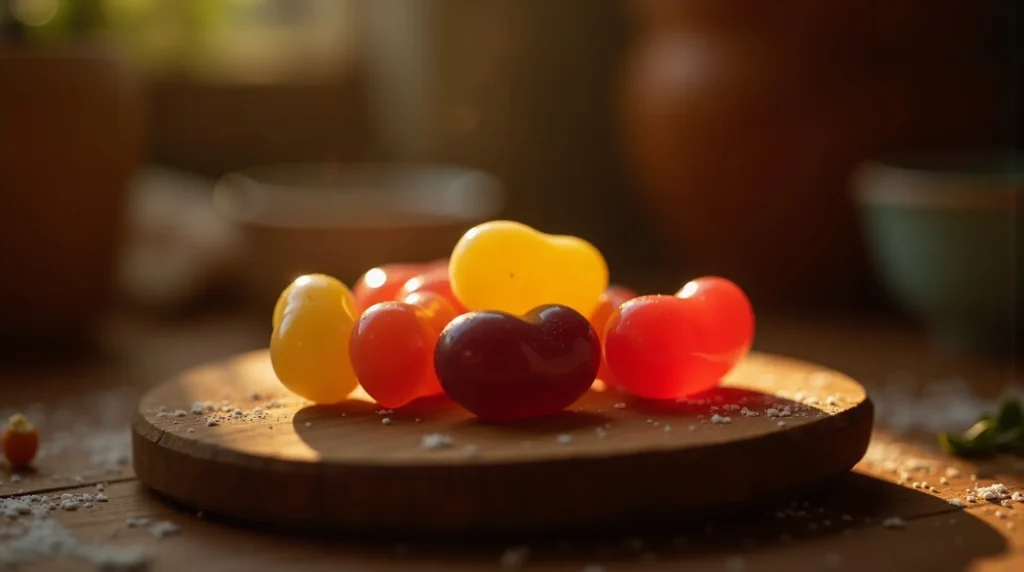
Mastering Flavor: The Best Jelly Belly Flavors for Home Cooks
Join Chef HomeRecipes as we analyze the science and art behind the most iconic jelly belly flavors, turning a simple candy tasting into a masterclass in flavor perception.
restaurant_menu Ingredients
Tasting Components (For Palate Mapping)
Savory Inspiration Ingredients (For Glaze Concept)
hardware Essential Tools
Small porcelain tasting spoons or parchment squares
Large, dry mixing bowl
Rubber spatula
Airtight glass storage jars
format_list_numbered Preparation
Flavor Mapping and Tasting Protocol
Select five distinct jelly belly flavors representing different profiles (sweet, sour, complex, savory illusion).Arrange the beans on parchment paper or small spoons, ensuring ample space between samples for aroma separation.Begin tasting with the mildest flavor, allowing it to soften on the tongue before chewing.Analyze the initial impact, the middle notes, and the lingering aftertaste for each of the jelly belly flavors.Thoroughly cleanse the palate between each sample using sips of sparkling water followed by a plain cracker.Note specific observations regarding sweetness level, acidity, and textural transition in your tasting journal.
Conceptualizing a Savory Glaze (Inspired by Flavor Profiles)
If inspired by a tart profile (like Sour Cherry), combine the tart cherry juice and apple cider vinegar in a small saucepan.In a separate small cup, whisk the cornstarch with one tablespoon of cold water until fully dissolved to create a slurry.Bring the juice mixture to a gentle simmer over medium heat (about 200°F).Slowly whisk in the slurry until the mixture thickens enough to coat the back of a spoon slightly.Remove from heat and whisk in the cayenne and smoked paprika for a delayed heat note, mimicking complex jelly belly flavors.Allow the conceptual glaze to cool completely before storing.
favorite You Might Also Love
Browse All arrow_forward
Golden Sliced Baked Potatoes: The Ultimate Crispy Recipe
Fire & Cheese Focaccia: Ultimate Jalapeno Cheddar Focaccia

Irresistible 4-Ingredient Sharp Cheddar Potato Stacks: Crispy Edges Guaranteed

Bacon Wrapped Smokies with Brown Sugar
Baked Cream Cheese Chicken Recipe

Southern Comfort: Ultimate Baked Cheesy Grits
Try These Variations
Savory Spice Mix
Use the flavor profile of Chili Mango to inspire a dry rub for chicken or steak, focusing on the sweet-heat balance.
Citrus Infusion
Use the bright notes of Sunkist Tangerine to infuse simple syrup for non-alcoholic mocktails.
Dessert Topping
Finely crush Toasted Marshmallow beans and sprinkle them over hot chocolate or ice cream for texture and concentrated flavor.
Chef's Pro Tips
Always taste ingredients individually before combining them to understand their primary flavor contribution.
Texture is paramount; the chewiness of the jelly center is engineered to prolong flavor release.
Translate candy profiles to savory cooking
a sweet bean informs a better glaze, a sour bean informs a better vinaigrette.
When analyzing complex jelly belly flavors, focus on the order in which the tastes hit your tongue.
Storage Guide
Airtight Glass Jar
Store in a cool, dark pantry for up to 8 months to maintain texture.
Airtight Container
Ensure the seal is robust to prevent exposure to environmental moisture.
Avoid Refrigeration
Cold dulls the delicate volatile aromatic compounds that define the best jelly belly flavors.
Avoid These Mistakes
✕ Not cleansing the palate between tasting different jelly belly flavors, leading to flavor fatigue and inaccurate assessment.
✕ Chewing immediately instead of letting the candy dissolve slightly to analyze the initial aromatic burst.
✕ Storing candies near strong-smelling items, causing them to absorb unwanted odors.
✕ Overcomplicating savory applications by relying too heavily on sugar instead of balancing it with acid.
nutrition Nutrition Facts
Per serving: One sample tasting portion
Nutritional data is highly variable based on the specific jelly belly flavors selected for tasting.
flag Conclusion
In conclusion, exploring the world of jelly belly flavors is more than just indulging a sweet tooth; it’s a masterclass in flavor engineering, sensory perception, and ingredient purity. Whether you are admiring the precise balance in a Pomegranate bean or planning how to incorporate a sweet-and-sour element into your next weeknight roast, the lessons gleaned from these tiny treasures are invaluable in the home kitchen. I urge you to grab a selection, taste critically, and apply that heightened awareness to your next cooking project. You’ll be amazed at how much more nuanced your own creations become! Until next time, happy cooking from your friends here at HomeRecipes.com—may your flavors always be bright and balanced!
sell Related Topics
Frequently Asked Questions
How do I incorporate these flavor concepts into savory cooking, like making a glaze for meats? expand_more
That is where the true chef work begins! If you are inspired by the sweet-and-sour punch of the Sour Cherry or the sweet heat of Chili Mango, translate those concepts into your glaze base. For instance, instead of using jelly beans, create a glaze using reduced fruit juice (like tart cherry juice) thickened slightly with cornstarch and spiked with a touch of apple cider vinegar for tang. For the heat component, skip the chili powder and use a high-quality, mild cayenne or even a pinch of smoked paprika, which offers depth without overwhelming the fruit. This approach applies equally well when you are trying to achieve a complex profile for something like jalapeno jelly recipe or a sweet reduction for roasted vegetables.
Is it true that some of the more unusual Jelly Belly flavors are based on actual savory foods? expand_more
Absolutely. The famous Buttered Popcorn is the prime example. It contains flavor compounds designed specifically to replicate butter and popcorn—it’s an exercise in savory-sweet illusion. While we focus on the dessert aspects here, this shows the mastery of capturing difficult profiles. When you look at complex savory items, like how to properly cook pork belly in slow cooker until it is meltingly tender yet flavorful, you realize the goal is the same: achieving a complete sensory illusion. The best jelly belly flavors succeed because they trick your brain into tasting something familiar.
Why do some flavors, like Licorice (which I avoided listing), divide people so strongly? expand_more
This is fascinating from a biochemical perspective. Licorice flavor is driven primarily by anethole. Some individuals possess a genetic variation that makes them exquisitely sensitive to anethole, perceiving it as intensely bitter or medicinal, while others taste the sweet, earthy profile as intended. This mirrors how some people react strongly to cilantro or certain bitter greens. It’s a perfect example of how personal biology dictates our perception of jelly belly flavors, just as it dictates our tolerance for bitterness in dark roast coffee or strong cheeses.
If I want to make a large batch of candy mix for a party, how can I ensure even distribution of the rarer flavors? expand_more
If you are creating a custom mix, the key is gentle agitation. First, place all the beans in a very large, clean, dry bowl. Do not use a container that has held anything oily or fragrant. Gently fold the beans over themselves using a large rubber spatula—think of folding egg whites, not stirring soup. Do this about 20 times. Then, transfer the mix to your serving vessel. The natural friction and movement will distribute the beans randomly and evenly. This technique ensures that when someone scoops a handful of your curated jelly belly flavors, they get a true representation of the mix.
Are there any professional culinary applications for the savory-inspired Jelly Belly flavors? expand_more
While I generally prefer whole, fresh ingredients, the spirit of these flavors can inspire savory applications. For instance, the tartness found in the Green Apple or Sour Cherry can be mirrored in a sharp vinaigrette. More interestingly, the sweet profile of the A&W Cream Soda, which leans heavily on vanilla and sarsaparilla notes, can inspire a unique dry rub or mop sauce for smoked meats, adding a subtle, unexpected sweetness that complements the smoke. This intellectual exercise in flavor pairing is exactly what leads to innovations like my favorite meatballs in grape jelly chili sauce, where the sweetness of the jelly balances the acid and heat of the chili.
More Recipes You'll Love

Slow Cooker Amish Meatball Stew Recipe (Easy 5-Ingredient)
Mastering Lazy Cake Cookies: The 5-Ingredient Dessert Sensation
Delicious and Refreshing Dirty Soda Recipes You’ll Love
Decadent Pecan Pie Cobbler: A Southern Comfort Dessert

Chef’s Ultimate Baked Potato Mashed Potatoes Recipe

Community Kitchen