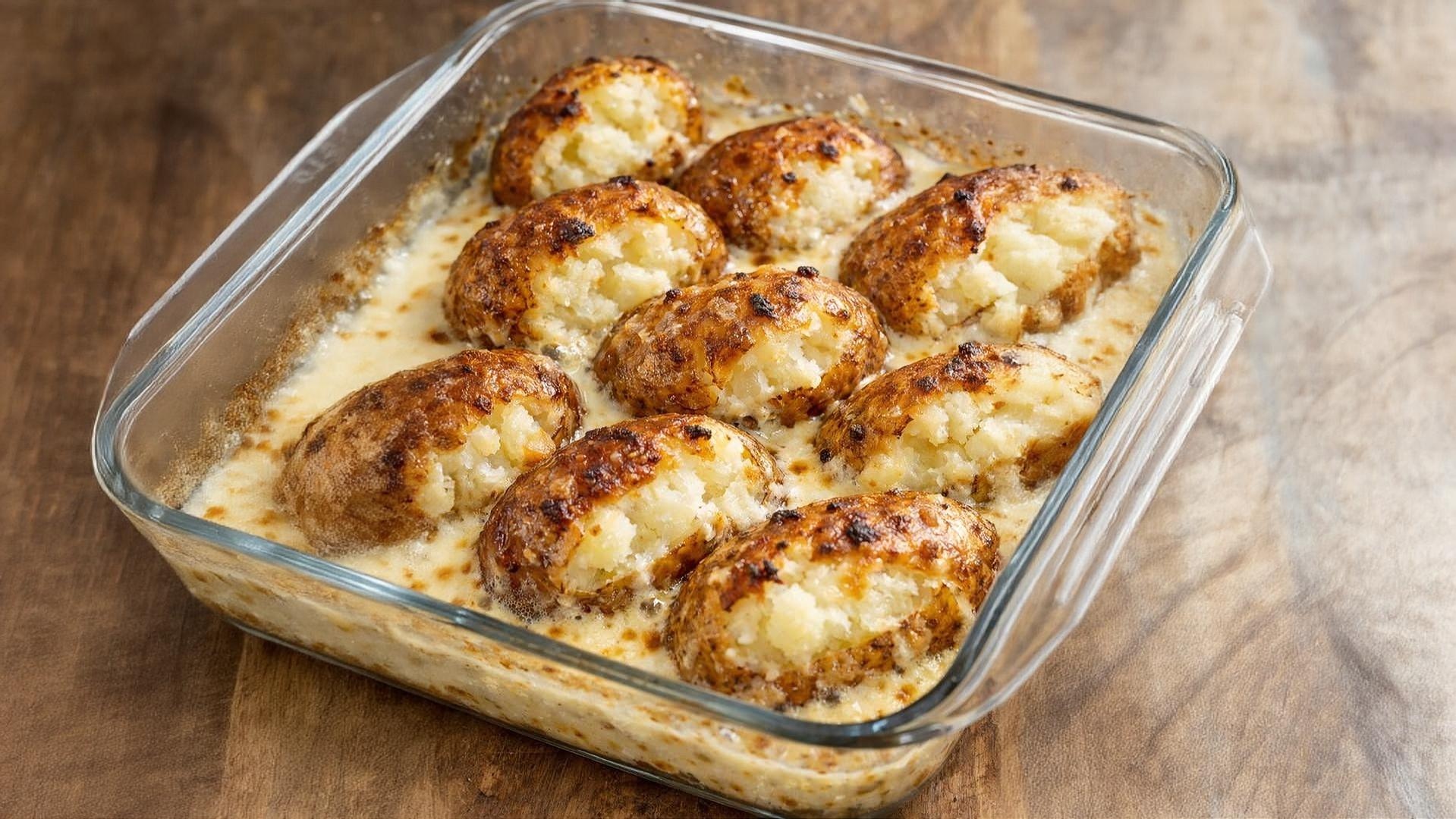
Golden Gems: Why Sweet Potatoes Belong In Your Kitchen
These roasted sweet potato wedges are the ultimate demonstration of why the reasons you should be adding sweet potatoes to your diet extend far beyond simple nutrition. We achieve a shatteringly crisp exterior through high-heat roasting, locking in natural sugars for a deep, nutty caramelization that transforms this humble root into a restaurant-quality side dish ready in under an hour. They are naturally sweet, fiber-rich, and perfectly balanced for any American dinner table.
restaurant_menu Ingredients
For Perfect Roasted Sweet Potato Wedges
For Maple-Cinnamon Variation
hardware Essential Tools
Sharp chef's knife
Large mixing bowl
Heavy-duty baking sheet
Parchment paper
Tongs
Wire cooling rack
format_list_numbered Preparation
Preparation
Preheat your oven to 425°F (220°C) and position the rack centrally. Scrub the sweet potatoes thoroughly, ensuring they are completely dry before cutting. Slice each sweet potato lengthwise, then cut into uniform 1-inch thick wedges, aiming for consistency in size to ensure even cooking across the batch.
Seasoning and Roasting
In the large bowl, thoroughly coat the wedges with avocado oil, salt, pepper, paprika, and garlic powder until every surface is glistening. Spread the seasoned wedges in a single layer on a parchment-lined baking sheet, ensuring significant space between each piece to prevent steaming. Roast for 15 minutes, then remove, flip each wedge carefully with tongs, and return to the oven for another 12 to 15 minutes until deeply caramelized and fork-tender.
favorite You Might Also Love
Browse All arrow_forwardTry These Variations
Spicy Chipotle-Lime Wedges
For a Southwestern profile that complements grilled meats, ditch the paprika and instead toss the raw wedges with 2 tablespoons of avocado oil, 1 tablespoon of fresh lime juice, 1 teaspoon of ground cumin, and 1 full teaspoon of chipotle powder before roasting at 425°F (220°C). The acid from the lime brightens the natural sweetness beautifully, creating a complex savory side perfect for a summer barbecue side dish. This variation showcases how the reasons you should be adding sweet potatoes to your diet include their ability to carry bold, non-traditional flavors successfully.
Maple-Cinnamon Breakfast Hash
To transition these into a breakfast star, toss the hot, freshly roasted wedges with 2 tablespoons of melted butter, 2 tablespoons of pure maple syrup, 1 teaspoon of ground cinnamon, and a tiny pinch of nutmeg. Serve immediately beneath softly scrambled eggs or a fried egg topped with chives. The warm spices marry perfectly with the residual heat, creating a comforting, naturally sweet start to the day that provides sustained energy.
Savory Herb and Shallot Bake
For an elegant side dish suitable for entertaining, cube the sweet potatoes into 1-inch pieces instead of wedges. Toss them with 3 tablespoons of olive oil, 1 large minced shallot, 2 cloves of minced garlic, 1 tablespoon of fresh rosemary, and 1 teaspoon of dried thyme. Roast at 400°F (200°C). This preparation mimics the aromatic depth you’d find in classic French vegetable preparations, proving that sweet potatoes are far more versatile than just a simple starch replacement.
Chef's Pro Tips
The Importance of Surface Area for Moisture Control
When roasting or air-frying, maximizing the surface area exposed to dry, high heat is the single most important action you can take. If you cut your sweet potatoes into thick chunks (e.g., 2-inch cubes), the ratio of moist interior to crispy exterior is too high, meaning the inside steams before the outside can brown, leading to a watery texture. Always aim for wedges or 1-inch cubes for roasting. This ensures that the heat penetrates quickly, gelatinizing the starch efficiently while driving off surface moisture to promote the Maillard reaction, which is what develops those complex, appealing brown flavors.
Using the Skin for Texture and Nutrition
Never peel your sweet potatoes unless a recipe explicitly calls for a very smooth puree. The skin contains a significant portion of the insoluble fiber and many of the crucial antioxidants that contribute to the health benefits discussed in the reasons you should be adding sweet potatoes to your diet. Furthermore, the skin acts as a natural protective barrier during high-heat cooking, preventing the flesh beneath from drying out too rapidly. If you are making fries or wedges, the skin provides a necessary textural contrast—the slight chewiness of the skin against the creamy interior is what makes a great fry.
Balancing Sweetness with Acidity/Salt
Sweet potatoes are inherently sweet, even when used in savory preparations. A common pitfall is adding more sugar or fat to compensate for a perceived lack of depth. Instead, counter the sweetness with acid or aggressive seasoning. A squeeze of fresh lemon or lime juice added post-roasting, or a generous hand with flaky sea salt and freshly cracked black pepper, will elevate the flavor dramatically. Think of it like balancing a vinaigrette; you need acid to make the fat and sugar sing. This principle applies whether you are making a dessert or a side intended for Bacon Wrapped Potatoes.
Storage Guide
Refrigerator Storage for Cooked Wedges
For roasted or air-fried sweet potato wedges, the key to maintaining a semblance of crispness is managing residual moisture. Allow the wedges to cool completely on a wire rack for at least 30 minutes after cooking to dissipate surface steam. Once fully cooled, transfer them to a shallow, wide, airtight container lined with a dry paper towel. The paper towel acts as a desiccant, absorbing any moisture that sweats out during refrigeration. Store this way for up to 4 days. If you find them slightly softened upon reheating, give them a quick 8-minute blast in a 400°F (200°C) oven.
Freezing for Future Meal Prep
Sweet potatoes freeze exceptionally well, which is one of the primary reasons you should be adding sweet potatoes to your diet for efficient meal planning. For best results, cook them until just tender (e.g., baked or roasted). Cool completely. If freezing cubes or wedges, spread them in a single layer on a parchment-lined baking sheet and freeze until solid (about 2 hours). Transfer the frozen pieces to a heavy-duty freezer bag, removing all air using a straw or vacuum sealer. Label with the date. They will keep well for up to 3 months.
Storing Uncut, Whole Sweet Potatoes
If you buy them in bulk, store them correctly to maximize shelf life. Never refrigerate whole, uncooked sweet potatoes; the cold temperature halts the ripening process and damages the flavor and texture, often leading to a hard core. Keep them in a cool, dark, and dry place—a pantry or cellar is ideal. Ideal temperature is between 55°F and 65°F (13°C to 18°C). Do not store them near onions or apples, as the gases they emit can cause the potatoes to spoil faster. Stored correctly, they can easily last 4 to 6 weeks, ensuring you always have them on hand.
Avoid These Mistakes
✕ Crowding the Baking Sheet, Leading to Steamed Vegetables
This is the cardinal sin of roasting anything, especially dense vegetables like sweet potatoes. When you pile the wedges too closely together, the moisture evaporating from their surfaces has nowhere to go but back onto the food. This creates a micro-environment of steam, preventing the surface temperature from reaching the necessary point for the Maillard reaction to occur. Instead of achieving that desirable, deep mahogany crust, you end up with pale, flabby, waterlogged potatoes. To avoid this, use two baking sheets if necessary, ensuring every single piece has direct contact with the hot metal and space around it for air circulation.
✕ Adding Cold Fat or Liquid to Mashed Potatoes
When making a mash, the starch granules in the potato absorb liquid. If you introduce cold butter or cold milk to the hot, freshly mashed potatoes, the temperature shock causes the starch to seize up and release water prematurely. This results in a gluey, slimy, or unpleasantly heavy texture that is impossible to save. Always ensure your added fats (butter) are softened to room temperature and your liquids (milk, cream, or broth) are gently warmed on the stovetop before incorporating them slowly into the mash.
✕ Over-relying on Microwaving for Cooking
While the microwave is fast, it cooks by exciting water molecules, essentially steaming the food from the inside out. If you use the microwave to fully cook sweet potatoes before roasting or air-frying, you have already damaged the cellular structure, making it impossible to achieve a crisp exterior later. The interior will be overly soft and watery. Use the microwave only for a very brief pre-softening (3-4 minutes max) if you are in a rush, but for optimal flavor and texture development, high-heat oven roasting or air-frying from raw is always superior.
nutrition Nutrition Facts
Per serving: 1.5 cups of wedges
Nutritional values are estimated based on one serving of roasted sweet potato wedges seasoned with oil and spices.
flag Conclusion
There you have it—a deep dive into the undeniable reasons you should be adding sweet potatoes to your diet, moving far beyond the holiday table. We’ve covered the science of beta-carotene absorption, the crucial high-heat techniques for achieving that perfect caramelization, and how to store them like a professional chef. This vegetable is an affordable, nutritious, and profoundly versatile foundation for countless American meals. Don’t let them sit in the back of your pantry waiting for Thanksgiving. Embrace their vibrant color and inherent goodness today. I encourage you to experiment with savory pairings this week—try them alongside that Slow Cooker Onion Butter Potatoes recipe you’ve been meaning to try, but use the sweet potato instead! Go forth, cook with confidence, and build incredible flavor at home, exclusively here at HomeRecipes.com.
sell Related Topics
Frequently Asked Questions
What is the ideal potato variety for sweet, creamy mashed potatoes? expand_more
For the creamiest, sweetest mashed sweet potatoes, you want a variety with higher moisture content and less starch rigidity. The Hannah or Beauregard varieties are excellent choices, often found in larger supermarkets. They break down beautifully when steamed or boiled gently. The key, however, is not just the potato but the fat incorporation. After mashing the cooked potato, gently whisk in hot cream or whole milk and softened, high-quality unsalted butter, one tablespoon at a time. Over-beating activates the starch, making them gummy. Stop mixing the moment they are smooth and glossy—this technique is key to achieving a texture that rivals the finest dairy-rich potato purées.
Can I substitute sweet potatoes for white potatoes in savory recipes like Cheesy Scalloped Potatoes? expand_more
Absolutely, and I highly recommend it! This is a fantastic way to integrate the reasons you should be adding sweet potatoes to your diet into classic comfort food. When substituting them into a recipe like Cheesy Onion Scalloped Potatoes, you need to adjust your cooking time slightly, as sweet potatoes contain more sugar and water. Slice them thinly, about 1/8 inch thick. Because they cook faster, consider par-boiling the slices for just 3 minutes before layering them with your cream sauce and cheese. This prevents the top layer from burning before the bottom layer is tender. The resulting dish offers a marvelous tension between the salty, sharp cheese and the earthy sweetness of the tuber.
Why do my sweet potatoes sometimes taste bitter or earthy after roasting? expand_more
Bitterness or an overly earthy flavor often signals two things: either you didn't use enough fat, or the temperature was too low, leading to slow dehydration rather than proper caramelization. When the temperature is too low (below 400°F/200°C), the natural sugars don't properly brown; instead, they can break down into slightly bitter compounds, and the potato dries out unevenly. Always coat generously with a neutral oil, ensuring every surface is covered, and maintain that high heat of 425°F (220°C). A tiny pinch of brown sugar or maple syrup tossed with the oil can also help kickstart the caramelization process if you are worried about achieving that deep color.
Are sweet potatoes truly better than white potatoes for blood sugar management? expand_more
Yes, generally speaking, sweet potatoes are the superior choice for stable blood sugar, which is one of the most compelling reasons you should be adding sweet potatoes to your diet. While both are starchy carbohydrates, the sweet potato has a significantly higher fiber content, which slows gastric emptying and sugar absorption. White potatoes, especially when baked or mashed (like in a classic side for Salisbury Steak With Mashed Potatoes And Mushroom Gravy), have a higher glycemic index, leading to faster glucose spikes. If you are managing insulin response, always opt for the sweet potato, and crucially, eat the skin, as that is where much of the beneficial fiber resides.
How can I use sweet potatoes for a quick, healthy breakfast besides toast? expand_more
For a lightning-fast, nutrient-dense breakfast, look towards blending. You can incorporate pre-steamed or pre-roasted sweet potato chunks into your morning smoothie. Pair 1/2 cup of cooked sweet potato with 1 cup of unsweetened almond milk, a scoop of protein powder, a dash of cinnamon, and a tablespoon of nut butter. This creates an incredibly satisfying, thick, and naturally sweet shake that provides slow-releasing energy without the crash associated with fruit-only smoothies. It is an excellent way to ensure you get a serving of complex carbohydrates and Vitamin A first thing in the morning.
Community Kitchen