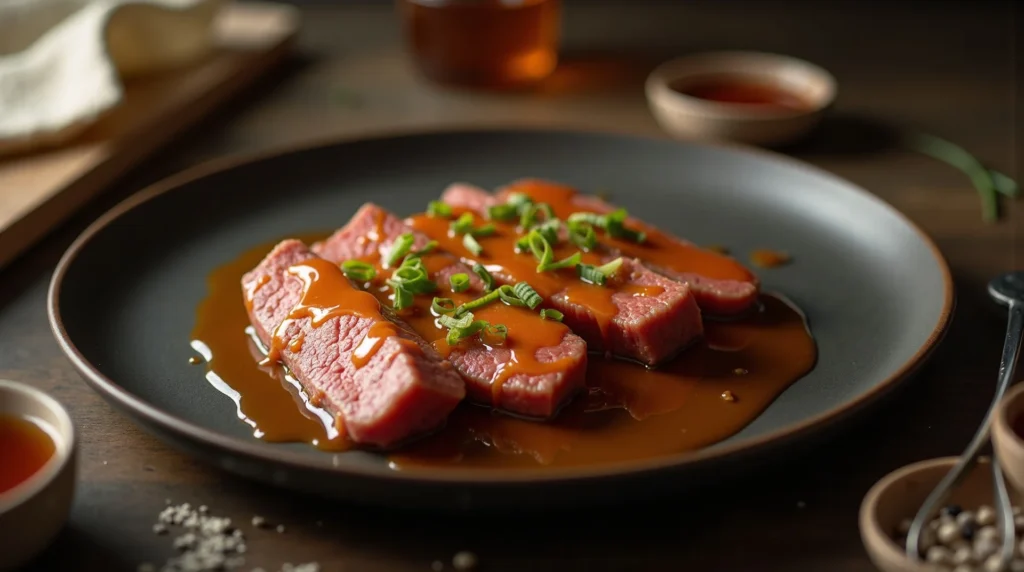
Mastering Authentic Hibachi Sauce at Home: Flavor Secrets
This is not your average dipping sauce; this vibrant, zesty hibachi sauce captures the true spirit of the Japanese steakhouse experience without ever turning on the stove. It’s bright, tangy, and utterly addictive!
Ingredients
Core Hibachi Sauce Ingredients
Chef's Optional Enhancements
Essential Tools
High-speed blender or food processor
Small saucepan
Ice bath container
Fine-mesh sieve or slotted spoon
Airtight storage jar (Mason jar recommended)
Preparation
Aromatic Preparation
Finely dice the half onion; aim for a texture nearly matching a mince
Bring a small saucepan of water to a rapid boil
Blanch the diced onion in the boiling water for exactly 30 seconds to remove harshness
Immediately transfer the blanched onion to an ice bath to stop the cooking process and chill completely
Drain the onion pieces extremely well, shaking off all excess water
Blending and Finishing the Hibachi Sauce
Transfer the drained, blanched onion, minced fresh ginger, and soy sauce to your blender container
Pulse the mixture in short bursts for about 20 seconds until the ingredients are broken down but not fully pureed
Add the rice vinegar and fresh lemon juice, pulsing again until the hibachi sauce is uniformly combined and slightly creamy
Taste the mixture and adjust seasoning with salt or pepper as needed, incorporating any optional ingredients like Worcestershire sauce now
Pour the finished hibachi sauce into a clean, airtight jar, seal tightly, and refrigerate for a minimum of four hours before serving to allow flavors to meld
Recipe Variations
Spicy Kick
Add 1/2 teaspoon of Sriracha or a pinch of red pepper flakes during the blending stage for a fiery hibachi sauce.
Creamy Style
For a flavor closer to a mild Yum Yum, blend in 2 tablespoons of mayonnaise after the initial blend.
Garlic Forward
Double the amount of fresh ginger and add 1 clove of fresh garlic to the blender for a punchier profile.
Mushroom Umami
Sauté 1/4 cup of finely minced shiitake mushrooms until dry, then blend them into the sauce mixture for an earthy, deep flavor.
Chef's Tips
Always use room-temperature ingredients (other than the ice bath) when blending, as this helps the ingredients integrate more smoothly into the final hibachi sauce.
If you are serving this sauce with fried rice, reserve about 1/4 cup of the sauce before adding the lemon juice, and use that reserved portion to deglaze your wok after cooking the rice.
For a beautiful presentation, use a microplane to grate a tiny bit of fresh ginger directly over the sauce just before serving, adding a final aromatic burst to your hibachi sauce.
When making hibachi chicken, brush the sauce on during the last minute of cooking to allow it to caramelize slightly without burning.
Common Mistakes
Forgetting to blanch the onion, resulting in an overly pungent, harsh sauce base
Using bottled lemon juice instead of fresh, which dulls the essential brightness of the hibachi sauce
Over-blending the ingredients, which incorporates too much air and results in a foamy texture rather than a smooth emulsion
Adding salt before tasting, as the soy sauce content can vary widely by brand, leading to an over-salted final product
Serving the sauce immediately without allowing it adequate resting time in the refrigerator
Recipe Keywords
Conclusion
There you have it—the definitive guide to creating a restaurant-quality hibachi sauce that surpasses anything you can buy off the shelf. This recipe celebrates simplicity, fresh ingredients, and the power of proper technique. Whether you are firing up the grill for a family barbecue or simply looking for a flavor upgrade for your weekly meal prep, this zesty, unforgettable condiment is your answer. Take pride in serving something made with this level of care. Head over to HomeRecipes.com, try this incredible hibachi sauce tonight, and let me know how it transforms your favorite dishes!
Frequently Asked Questions
What makes this sauce different from Yum Yum Sauce? expand_more
That is a fantastic question that often confuses home cooks! What's in yum yum sauce is typically a mayonnaise-based emulsion, making it creamy, rich, and opaque white or pinkish-orange. Our hibachi sauce, conversely, is vinegar and soy-based. It is thin, translucent, and highly acidic and savory, designed more as a pourable dressing or marinade rather than a thick dipping condiment. They serve different roles on the plate, though both are delicious accompaniments to grilled items.
Can I make this Hibachi Sauce ahead of time? expand_more
Absolutely, and I strongly encourage it! As I mentioned in the secrets section, the flavor profile of this hibachi sauce deepens significantly as it rests. While you can technically use it right after blending, waiting 24 hours allows the raw onion and ginger flavors to mellow and integrate seamlessly with the soy and vinegar. Making a big batch on Sunday ensures you have exceptional flavor ready for your hibachi chicken or steak throughout the week.
Can I thicken this Hibachi Sauce? It seems too thin. expand_more
If you prefer a thicker consistency, perhaps closer to a glaze, you can certainly adjust it. For a quick fix, whisk in 1 teaspoon of cornstarch mixed with 1 tablespoon of cold water (a slurry) into the sauce, then heat the sauce gently on the stovetop over medium-low heat, stirring constantly until it thickens slightly. Alternatively, for a healthier option, you can add a tablespoon of finely ground toasted sesame seeds, which will absorb some liquid and add texture to your hibachi sauce.
Is this sauce suitable for use on Hibachi Steak Recipe preparations? expand_more
Indeed, it is perfect for hibachi steak recipe preparations! The bright acidity cuts through the richness of beef fat beautifully. For steak, I recommend using it both as a quick marinade (no more than 30 minutes, as the acid can start to 'cook' the meat) and serving an extra portion on the side for drizzling after the steak is sliced. It truly brings that steakhouse sizzle home.
Are there any ingredients I should absolutely avoid for Halal compliance? expand_more
Since we are strictly adhering to Halal guidelines here at HomeRecipes, please be vigilant about two potential hidden ingredients. First, ensure your Worcestershire sauce (if you choose to add it for umami depth) is certified Halal, as traditional versions often contain vinegar derived from wine or anchovies. Second, when purchasing soy sauce, confirm no alcohol was used in the fermentation process, though most major US brands are compliant. This particular hibachi sauce recipe is naturally free of pork and alcohol, making it safe for Halal consumption.