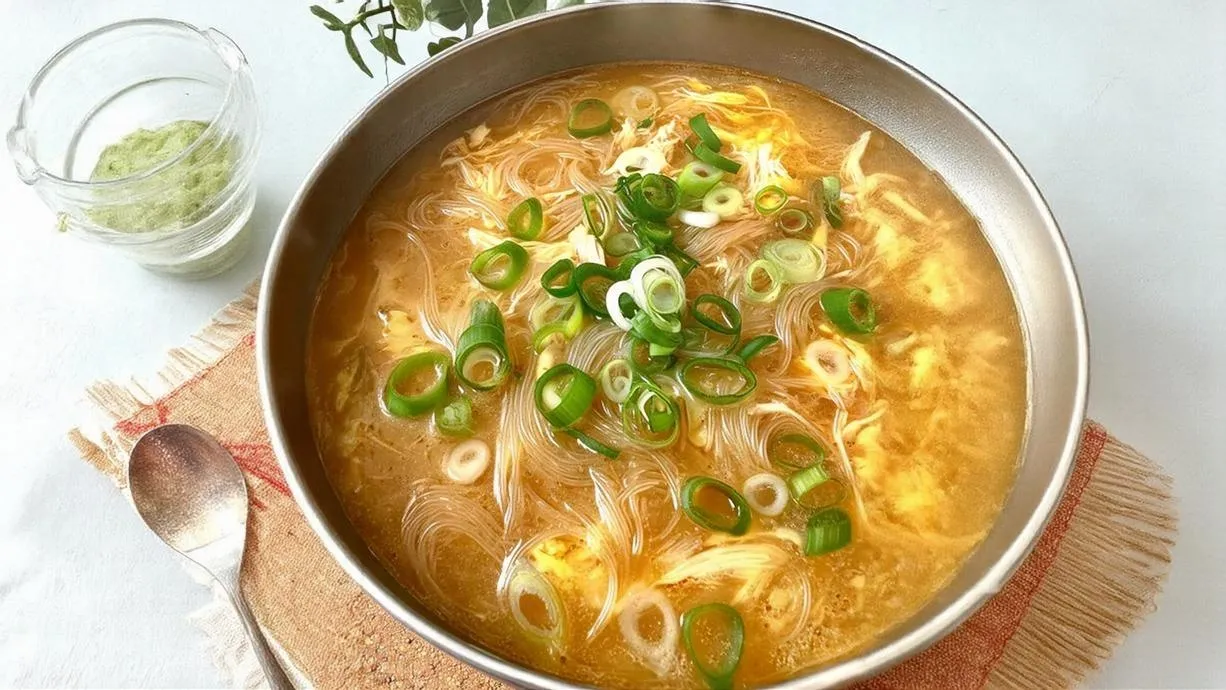
Italian Pastina Soup Recipe (Comforting & Healing)
Indulge in the ultimate comfort with Chef HomeRecipes' Italian Pastina Soup. This beloved "Italian penicillin" is a velvety, flavorful concoction of rich chicken bone broth, finely puréed vegetables, and tiny star-shaped pastina pasta, finished with bright lemon and savory Parmesan. A culinary embrace designed to soothe and nourish, it brings generations of Italian comfort food directly to your American kitchen.
restaurant_menu Ingredients
For the Soup Base
For the Pastina & Finish
hardware Essential Tools
Heavy-bottomed soup pot or Dutch oven
Immersion blender (or regular blender)
Whisk
Measuring cups and spoons
Cutting board
Chef's knife
Small bowl
format_list_numbered Preparation
Prepare the Aromatics & Broth
Place a heavy-bottomed soup pot over medium-high heat. Add the unsalted butter and let it melt until shimmering.
Add the finely diced celery, carrot, and onion to the pot. Reduce heat to medium-low and cook, stirring occasionally, for 8-12 minutes until softened and translucent.
Stir in the minced garlic and cook for 1 minute until fragrant, being careful not to burn it.
Add the fresh thyme sprigs, chicken bone broth, and turmeric to the pot. Bring the mixture to a gentle simmer, then reduce heat to low, cover, and cook for 20-30 minutes to allow flavors to meld.
Blend and Finish the Soup
Remove the thyme sprigs from the pot. Using an immersion blender, carefully purée the soup directly in the pot until it is completely smooth and creamy. Season with kosher salt and black pepper to taste.
Add the pastina to the smooth broth. Increase heat to bring to a rolling simmer, then reduce to medium-low, cover, and cook for 8-10 minutes, or according to package directions, until al dente. Stir occasionally.
Remove the pot from heat. Stir in the lemon juice, fresh parsley, and 1/2 cup grated Parmesan cheese until melted.
In a small bowl, lightly beat the egg. Ladle about 1/2 cup of the hot soup into the beaten egg, whisking constantly to temper it.
Slowly pour the tempered egg mixture back into the main soup pot, stirring continuously until fully incorporated. Let the pastina soup rest for 5 minutes before serving.
favorite You Might Also Love
Browse All arrow_forwardGolden Crispy Chicken Fritters: A Deliciously Crunchy Recipe

Potato Au Gratin Cups Recipe (Crispy Cheddar)
Creamy Garlic Smothered Baked Potatoes: The Ultimate Comfort Food Recipe
Cream of Tomato Soup Recipe (Velvety Smooth)
Creamy Au Gratin Potatoes Recipe - Easy & Delicious Side Dish
Classic Raisin Pie Recipe: A Nostalgic Slice of Comfort
Try These Variations
Vegetarian Pastina Soup
Swap chicken bone broth for a rich vegetable broth. Ensure your Parmesan cheese is vegetarian or substitute with a plant-based alternative. This will maintain the comforting essence while adhering to a meat-free diet.
Spicy Kick Pastina Soup
For those who love a little heat, add a pinch of red pepper flakes along with the garlic. A dash of hot sauce (like a classic Calabrian chili sauce) swirled in at the end can also provide a delightful warmth, transforming the pastina soup with a zesty edge.
Green Pastina Soup
Boost the nutrition and color by blending in a cup of fresh spinach or kale during the puréeing step. The greens will disappear into the pastina soup, adding vitamins and a beautiful verdant hue without altering the texture significantly.
Herbed Pastina Soup
Experiment with different fresh herbs. While thyme is classic, a mix of finely chopped rosemary and sage could offer a more robust, earthy profile. Add them along with the thyme sprigs during the simmering phase for deep infusion into the pastina soup.
Chef's Pro Tips
Don’t Overcook the Pastina
Pastina cooks very quickly, and since it continues to absorb liquid and cook even after being removed from the heat, it’s best to remove it just shy of al dente. This prevents it from becoming mushy and ensures a pleasant texture in your pastina soup, a common mistake I see home cooks make.
Taste and Adjust Seasoning Throughout
Seasoning is a dynamic process. Taste your pastina soup after the vegetables have cooked, after the broth simmers, and certainly after adding the cheese. This allows you to build layers of flavor and ensures the final product is perfectly balanced, which is a hallmark of professional cooking.
Use Freshly Grated Parmesan
Pre-grated Parmesan contains anti-caking agents that can make your pastina soup grainy and less flavorful. A wedge of high-quality Parmesan Reggiano, freshly grated, will melt smoothly and provide a superior, nutty, umami-rich finish that elevates the entire dish.
Don’t Skip the Lemon Juice
The acidity from a fresh squeeze of lemon juice might seem like a small detail, but it’s a game-changer. It brightens the rich, savory pastina soup, cutting through the richness and making every spoonful taste fresh and vibrant, a professional chef’s trick for balancing flavors.
Storage Guide
Refrigerator
Once completely cooled, transfer the pastina soup to an airtight container. Store in the refrigerator for up to 3-4 days. Be aware that the pastina will continue to absorb liquid and soften, making the soup thicker. To reheat, gently warm on the stovetop over low heat, adding a splash of extra broth or water to reach desired consistency, stirring frequently to prevent sticking.
Freezer
For longer storage, freeze the soup *before* adding the pastina. Allow the broth base to cool completely, then transfer to freezer-safe containers or bags. It can be frozen for up to 3 months. When ready to serve, thaw the broth, bring it to a simmer, then add fresh pastina and cook as directed. If you freeze the soup with the pastina already in it, the pasta may become very soft and mushy upon reheating.
Avoid These Mistakes
✕ Rushing the Vegetable Sauté
Many home cooks rush the initial cooking of the mirepoix. Not allowing the celery, carrots, and onions to soften and release their sugars fully results in a less flavorful, shallower pastina soup. Cook them slowly over medium-low heat until truly tender and translucent, which can take 10-12 minutes, to build a robust flavor base. This caramelization is crucial for depth.
✕ Adding Cold Egg Directly to Hot Soup
Pouring a cold, beaten egg directly into hot pastina soup will cause it to curdle and create unsightly scrambled egg bits. Tempering the egg by slowly whisking in some hot soup first gently raises its temperature, allowing it to incorporate smoothly and add a silky richness without clumping. This technique is vital for a smooth, professional finish.
✕ Overcooking the Pastina
Pastina is a very small pasta and cooks rapidly. Overcooking it will result in a mushy, starchy texture that can make the pastina soup gluey. Cook it just until al dente, usually 8-10 minutes, and remember it will continue to soften slightly off the heat as it absorbs the broth. Always follow package directions but check for doneness a minute or two early.
✕ Using Low-Quality Broth
The broth is the foundation of this pastina soup. Using a watery, low-quality broth will result in a bland, uninspired soup. Invest in a good quality chicken bone broth, or make your own, for a deeply flavorful, nourishing, and comforting pastina soup that tastes truly restorative.
nutrition Nutrition Facts
Per serving: 1 serving
Nutritional values are approximate and can vary based on specific ingredient brands and preparation methods.
flag Conclusion
There you have it, my friends – a recipe for Italian Pastina Soup that’s sure to become a cherished favorite in your home. It’s comforting, nourishing, and incredibly satisfying, embodying the very best of simple, heartfelt cooking. I truly hope you’ll give this a try and experience the magic of this humble yet profound dish. It’s a taste of tradition, prepared with the care and expertise you’ve come to expect from HomeRecipes. Enjoy the warmth, savor the flavors, and share the love around your table. Happy cooking!
sell Related Topics
Frequently Asked Questions
What kind of pasta is pastina, and can I substitute it? expand_more
Pastina, literally meaning "little pasta," refers to a category of very small pasta shapes, often stars (stelline), tiny rings (anelli), or small grains (grattini). It's specifically designed to cook quickly and provide a delicate texture, making it ideal for soothing soups like this pastina soup. If you can't find pastina, excellent substitutes include orzo (risoni), tiny ditalini, or even broken vermicelli. The key is to use a small pasta that will cook quickly and absorb the broth beautifully, contributing to the comforting nature of this pastina soup.
Can I make this Italian Pastina Soup vegetarian or vegan? expand_more
Absolutely! To make this pastina soup vegetarian, simply substitute the chicken bone broth with a high-quality vegetable broth. Ensure your Parmesan cheese is vegetarian (some use animal rennet; look for vegetarian-friendly labels). For a vegan version, use vegetable broth, omit the Parmesan cheese and the egg, and perhaps add a tablespoon of nutritional yeast for a cheesy, umami flavor. You could also swirl in a plant-based cream at the end for extra richness. While the chicken bone broth adds a unique depth, a well-made vegetable broth will still yield a wonderfully comforting pastina soup.
Why is my pastina soup too thick or too thin? expand_more
The consistency of your pastina soup can vary based on several factors. If your soup is too thick, it's likely because the pastina has absorbed a lot of the liquid, especially if it's been sitting for a while. Simply add more chicken bone broth (or water) a little at a time, stirring until you reach your desired consistency. If your pastina soup is too thin, it might be due to not enough pastina, or perhaps your vegetables weren't blended finely enough. You can simmer it gently for a few more minutes to allow some liquid to evaporate, or blend a portion of the soup again to thicken it naturally. Remember, the pastina will continue to absorb liquid as it cools.
Can I add other vegetables to this pastina soup? expand_more
Of course! While the classic pastina soup is simple, you can certainly customize it. Finely chopped spinach or kale can be stirred in during the last few minutes of cooking for added greens and nutrients. Small florets of broccoli or cauliflower, cooked until tender and then blended with the rest of the vegetables, would also work well. The key is to keep the vegetables finely diced or blended to maintain the smooth, comforting texture that defines this pastina soup. Just ensure any additions complement the delicate flavor profile.
What are the benefits of using chicken bone broth in pastina soup? expand_more
Using chicken bone broth in your pastina soup goes beyond just flavor; it offers several health advantages. Bone broth is rich in collagen, gelatin, and amino acids, which are beneficial for gut health, joint support, and even skin elasticity. It provides a more complex and savory flavor profile compared to regular chicken broth, adding a luxurious depth and body to the pastina soup. When you're feeling under the weather, these nutrients can be particularly soothing and restorative, truly living up to the "Italian penicillin" moniker for this pastina soup.
More Recipes You'll Love
Classic Homemade Pesto Recipe: Fresh & Flavorful

Classic Homemade Pesto Recipe: Fresh & Flavorful

Community Kitchen