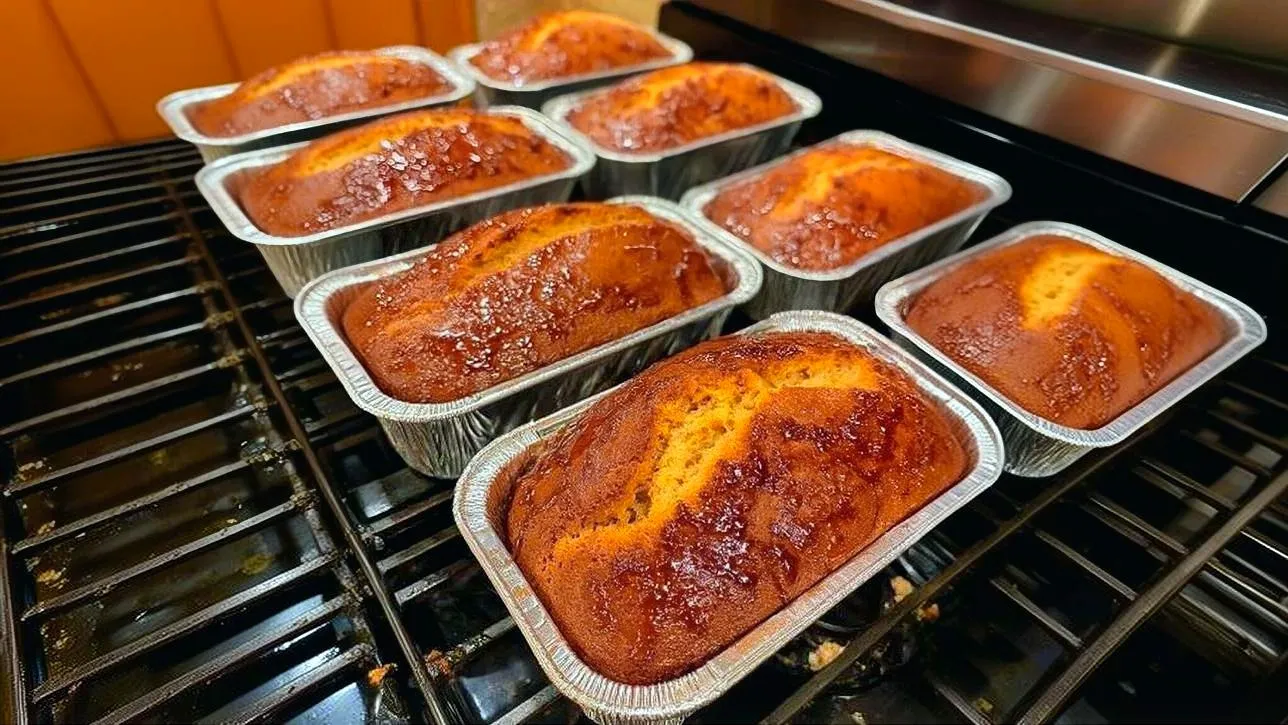
Classic Homemade Pound Cake Recipe (Rich & Buttery)
Experience the timeless elegance of a Classic Homemade Pound Cake, crafted with the perfect balance of butter, sugar, eggs, and flour. This recipe delivers a moist, dense, and tender crumb with a beautiful golden crust, embodying the comforting essence of traditional American baking. Perfect for any occasion, it’s a dessert that promises rich, buttery flavor in every single bite, making it an instant family favorite and a testament to simple culinary excellence.
restaurant_menu Ingredients
Pound Cake Ingredients
For Serving (Optional)
hardware Essential Tools
9x5-inch loaf pan or 10-inch Bundt pan
Stand mixer with paddle attachment or large mixing bowl with hand mixer
Rubber spatula
Measuring cups and spoons
Whisk
Wire cooling rack
Wooden skewer or toothpick
format_list_numbered Preparation
Baking the Pound Cake
Preheat your oven to 325°F (160°C) and position an oven rack in the center. Generously grease and flour your chosen baking pan (9x5-inch loaf or 10-inch Bundt), tapping out any excess flour to ensure a clean release.
In the bowl of a stand mixer fitted with the paddle attachment, or using a large mixing bowl with a hand mixer, combine the softened 1 cup of unsalted butter and 2 cups of granulated sugar. Beat on medium speed for 5-7 minutes, or until the mixture is very light, fluffy, and pale yellow, scraping down the sides of the bowl as needed to ensure even creaming and proper air incorporation.
With the mixer on low speed, add the 4 large room temperature eggs one at a time, beating for about 30 seconds after each addition until fully incorporated before adding the next egg. This gradual addition prevents the batter from curdling and maintains a smooth emulsion.
In a separate medium bowl, whisk together the 3 cups of all-purpose flour, 1 teaspoon of baking powder, and 1/2 teaspoon of kosher salt. With the mixer on low speed, gradually add the dry ingredients to the butter mixture in three additions, alternating with the 1 cup of room temperature whole milk. Begin and end with the dry ingredients, mixing only until just combined after each addition to prevent overmixing and gluten development.
Stir in the 1 tablespoon of pure vanilla extract until it is just incorporated into the batter, ensuring not to overmix at this final stage.
Pour the finished batter evenly into your prepared baking pan and smooth the top with a spatula. Place the pan in the preheated oven and bake for 60-75 minutes for a loaf pan or 70-90 minutes for a Bundt pan.
The cake is done when a wooden skewer or toothpick inserted into the center comes out clean or with only a few moist crumbs attached. The top should be golden brown and spring back when lightly touched. If the top browns too quickly, loosely tent it with aluminum foil.
Remove the pound cake from the oven and let it cool in the pan on a wire rack for 10-15 minutes. This crucial cooling period allows the cake to set its structure, preventing it from breaking when removed.
After 10-15 minutes, carefully invert the cake onto the wire rack to cool completely before slicing and serving. Patience here ensures a perfectly structured and easy-to-slice cake.
favorite You Might Also Love
Browse All arrow_forwardFudgy Chocolate Brownie with Condensed Milk
Golden Pineapple Bake Recipe: Tropical Comfort
Effortless Two Ingredient Lemon Bars Mastery
Elevate Tea Time: Decadent Matcha Cake Recipe
Effortless Two-Ingredient Lemon Bars: Sunshine in Every Bite
Effortless No Bake German Chocolate Pie Masterpiece
Try These Variations
Citrus Zest Pound Cake
For a bright, zesty twist on this Classic Homemade Pound Cake, add the zest of one large lemon or orange (about 1 tablespoon) to the granulated sugar during the creaming step. The oils in the zest will infuse beautifully with the butter and sugar, creating a wonderfully aromatic and flavorful cake that’s perfect for spring and summer. You can also make a simple glaze with 1 cup powdered sugar and 2-3 tablespoons of fresh citrus juice to drizzle over the cooled cake.
Almond Pound Cake
Introduce a nutty elegance by replacing 1 teaspoon of the vanilla extract with 1/2 teaspoon of pure almond extract. Additionally, you can fold in 1/2 cup of finely ground blanched almonds (almond flour) with the dry ingredients to enhance the almond flavor and add a subtle texture. This variation pairs beautifully with a simple dusting of powdered sugar or a light almond glaze.
Marbled Chocolate Pound Cake
Create a stunning visual and flavor contrast by setting aside 1 cup of the prepared batter. Melt 2 ounces of unsweetened or semi-sweet chocolate and stir it into the reserved batter. Alternate dollops of the plain and chocolate batter into the prepared pan, then swirl gently with a knife or skewer for a marbled effect. This adds a delightful cocoa richness to the Classic Homemade Pound Cake.
Spiced Pound Cake
For a comforting, warm flavor profile, add 1 teaspoon of ground cinnamon, 1/2 teaspoon of ground nutmeg, and 1/4 teaspoon of ground cloves to the dry ingredients. These spices will infuse the cake with an inviting aroma and a deeper, more complex flavor, making it ideal for autumn or holiday gatherings. Serve with a dollop of spiced whipped cream for an extra treat.
Chef's Pro Tips
Achieving the Perfect Creaming
The creaming process of butter and sugar isn’t just about combining; it’s about incorporating air. Beat them until truly light and fluffy—this could take 5-7 minutes with a stand mixer. The mixture should lighten in color and increase in volume. This trapped air is the primary leavening for a dense pound cake, expanding in the oven to create a tender, fine crumb. Don’t cut this step short, or your cake will be dense and heavy.
The Importance of Room Temperature Ingredients
This is a non-negotiable rule in my kitchen for a Classic Homemade Pound Cake. Cold butter won’t cream properly, and cold eggs can cause the batter to curdle or separate when added to the creamed butter and sugar. Room temperature ingredients (around 68-70°F/20-21°C) emulsify beautifully, creating a smooth, homogenous batter that traps air efficiently, leading to a superior texture and rise. Plan ahead and take your butter and eggs out at least an hour before you start baking.
Preventing Overmixing
Once you add the flour, your goal is to mix only until the dry ingredients are just incorporated. Overmixing develops gluten in the flour, which leads to a tough, chewy cake rather than a tender, melt-in-your-mouth pound cake. Use the lowest speed on your mixer or mix by hand, and stop as soon as no streaks of flour are visible. A few small lumps are perfectly acceptable and will bake out.
The Right Pan and Preparation
The type and preparation of your pan significantly impact the final result of your Classic Homemade Pound Cake. A light-colored metal pan is ideal as it conducts heat evenly and prevents over-browning. Darker pans can cause the crust to brown too quickly. Always grease and flour your pan thoroughly, especially if using a Bundt pan with intricate designs. For extra insurance against sticking, I often use baking spray with flour or create a paste of equal parts softened butter, flour, and shortening for Bundt pans. This ensures a flawless release and a beautiful cake.
Storage Guide
Room Temperature Storage
Once your Classic Homemade Pound Cake has completely cooled to room temperature, wrap it tightly in plastic wrap or aluminum foil, or store it in an airtight cake keeper. This prevents it from drying out and keeps it fresh. Stored this way, the cake will remain moist and delicious for up to 3-4 days on your countertop. For optimal flavor and texture, I always recommend storing it whole and slicing as needed.
Refrigerator Storage
While pound cake can be refrigerated, it tends to dry out slightly faster due to the cold air. If you must refrigerate it (e.g., if it contains a perishable filling or frosting), wrap it very tightly in plastic wrap, then place it in an airtight container. It will last for about 5-7 days. Allow slices to come to room temperature for about 15-20 minutes before serving to restore some of its tenderness.
Freezer Storage (Whole Cake)
To freeze a whole Classic Homemade Pound Cake, ensure it is completely cooled. Wrap it first in a layer of plastic wrap, then a layer of aluminum foil, making sure it’s airtight to prevent freezer burn. Place the wrapped cake in a large freezer bag for extra protection. It can be frozen for up to 3-4 months. To thaw, transfer the wrapped cake to the refrigerator overnight, then bring it to room temperature before unwrapping and serving. This slow thawing helps maintain moisture.
Freezer Storage (Individual Slices)
For convenient single servings, slice the cooled pound cake. Wrap each slice individually in plastic wrap, then place them in a freezer-safe bag or airtight container. This way, you can grab a slice whenever a craving strikes. They will last for up to 2-3 months. Thaw individual slices at room temperature for about 30-60 minutes, or gently warm in the microwave for 15-30 seconds until just softened.
Avoid These Mistakes
✕ Overmixing the Batter
This is perhaps the most common mistake with pound cake. Once flour is introduced, overmixing activates and develops gluten, leading to a tough, chewy texture instead of the desired tender, fine crumb. Mix only until the flour streaks disappear, stopping the mixer as soon as the ingredients are just combined. A few small lumps are fine and will bake out.
✕ Using Cold Ingredients
Trying to cream cold butter or incorporate cold eggs into your batter is a recipe for disaster. Cold ingredients don’t emulsify properly, resulting in a curdled, lumpy batter that won’t hold air effectively. This leads to a dense, heavy cake with a poor texture. Always ensure your butter, eggs, and milk are at proper room temperature (around 68-70°F/20-21°C) before you begin.
✕ Not Creaming Butter and Sugar Enough
The creaming step is vital for incorporating air into the butter and sugar mixture, which provides much of the cake’s lift and tender structure. If you don’t cream long enough (typically 5-7 minutes on medium speed), the cake will be dense and lack that signature pound cake texture. The mixture should be light, fluffy, and pale yellow, indicating sufficient air incorporation.
✕ Opening the Oven Door Too Early
Resist the urge to peek at your baking cake, especially during the first 45-50 minutes. Opening the oven door causes a sudden drop in temperature, which can make the cake collapse in the center, resulting in a sunken top. The cake needs a stable, consistent temperature to set its structure properly. Trust your oven and the timing guidelines, and only check towards the end of the baking cycle.
nutrition Nutrition Facts
Per serving: 1 slice
Nutritional values are estimates and may vary based on specific ingredient brands and preparation methods.
flag Conclusion
And there you have it, a masterpiece of a Classic Homemade Pound Cake! With these tips and techniques, you’re not just baking a cake; you’re creating a moment of pure culinary bliss. This recipe, honed through years in professional kitchens and perfected for the home cook, promises a pound cake that is rich, tender, and utterly irresistible. I encourage you to try it, savor the process, and share the joy of this timeless dessert with your loved ones. Here at HomeRecipes.com, we believe every meal should be a celebration, and this pound cake is definitely something to celebrate. Happy baking!
sell Related Topics
Frequently Asked Questions
What makes a pound cake different from other cakes? expand_more
The defining characteristic of a pound cake is its dense, rich, and often fine crumb, which traditionally comes from using a pound each of butter, sugar, eggs, and flour. Unlike many modern cakes that rely heavily on chemical leavening agents, the classic pound cake gets much of its lift and tender texture from the air incorporated during the creaming of butter and sugar, and the emulsification of eggs. This results in a cake that is less airy and more substantial than, say, a sponge cake or a chiffon cake, offering a deeply satisfying, buttery flavor that is simply unparalleled.
Can I make this Classic Homemade Pound Cake ahead of time? expand_more
Absolutely! Pound cake is an excellent make-ahead dessert. In fact, many bakers find that the flavor and texture actually improve a day after baking, as the flavors have more time to meld and the cake becomes even moister. You can bake the cake up to 2-3 days in advance and store it at room temperature, well-wrapped in plastic wrap, or in an airtight container. For longer storage, you can freeze the whole cake or individual slices, which makes it perfect for meal prepping your desserts or having a treat ready for unexpected guests.
Why did my pound cake turn out dry and crumbly? expand_more
A dry and crumbly pound cake is usually a sign of overbaking or overmixing. Overbaking causes too much moisture to evaporate from the cake, leaving it dry. Keep a close eye on your baking time and rely on the toothpick test for doneness. Overmixing the batter, especially after adding the flour, develops too much gluten, which can lead to a tough, dry texture. Remember to mix only until the ingredients are just combined. Ensure your ingredients are at room temperature, as cold ingredients don't emulsify properly, which can also contribute to a less tender crumb. Using the correct oven temperature is also vital; a too-hot oven will bake the outside too quickly while leaving the inside raw, or drying out the whole cake.
Can I add flavorings or mix-ins to this Classic Homemade Pound Cake recipe? expand_more
Yes, you certainly can! This Classic Homemade Pound Cake recipe is a fantastic base for customization. You can add citrus zest (lemon, orange, or lime) to the butter-sugar mixture for a bright flavor. Spices like cardamom, nutmeg, or a hint of cinnamon can be incorporated with the dry ingredients. For mix-ins, consider gently folding in about 1 cup of fresh berries (tossed lightly in a tablespoon of flour to prevent sinking), chocolate chips, or chopped nuts during the final mixing stage. Just be careful not to overmix when adding these extras. These additions can transform the cake into something new and exciting while maintaining its classic appeal.
How do I prevent my pound cake from sticking to the pan? expand_more
Preventing your pound cake from sticking to the pan is crucial for a beautiful presentation. The best method is a thorough greasing and flouring of the pan. Use softened butter or a baking spray containing flour, making sure to coat every nook and cranny, especially if using a Bundt pan with intricate designs. After greasing, add a tablespoon or two of flour to the pan, shake it around to coat the entire surface, then invert the pan and tap out any excess flour. For Bundt pans, some chefs even swear by a mixture of equal parts softened butter, flour, and vegetable shortening to create a super non-stick paste. Always let the cake cool in the pan on a wire rack for 10-15 minutes before attempting to invert it; this allows the cake to firm up just enough to release cleanly.
Community Kitchen