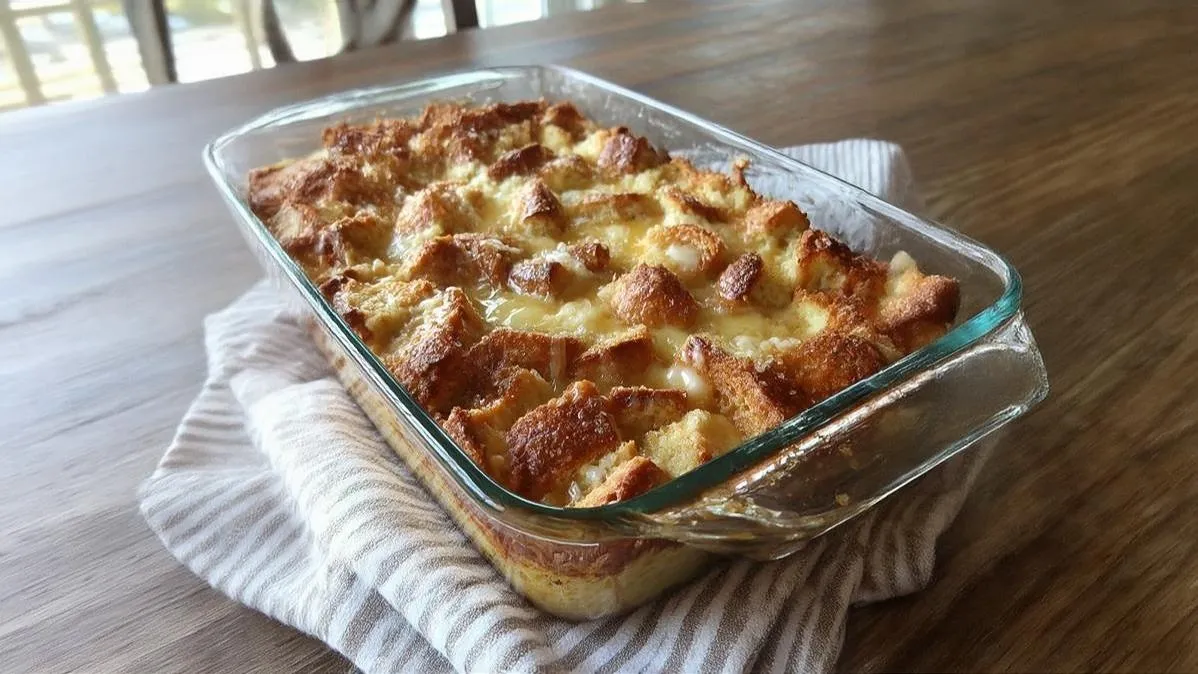
Chicken and Dumplings Recipe (Classic Comfort)
Experience the ultimate culinary hug with this traditional Chicken and Dumplings recipe. Featuring succulent, slow-cooked chicken in a deeply flavorful, aromatic broth, generously studded with light-as-air, pillowy dumplings, this dish is the epitome of American comfort food. Crafted with chef-tested techniques, it promises a heartwarming, satisfying meal that brings everyone to the table, perfect for chilly evenings or family gatherings.
restaurant_menu Ingredients
For the Stew
For the Dumplings
For Serving
hardware Essential Tools
Large Dutch oven or heavy-bottomed pot
Cutting board
Sharp knife
Measuring cups and spoons
Whisk
Pastry blender (optional)
Medium mixing bowl
Two spoons or small ice cream scoop
format_list_numbered Preparation
Step-by-Step Instructions
Sear the Chicken
Pat chicken thighs dry, season with salt and pepper. Heat olive oil in a large Dutch oven over medium-high heat. Sear chicken, skin-side down first, 5-7 minutes per side until golden brown. Remove chicken and set aside.
Sauté Aromatics
Reduce heat to medium. Add onion, carrots, and celery to the pot. Sauté for 8-10 minutes until softened. Add garlic and cook for 1 minute until fragrant.
Build the Broth
Sprinkle 1/4 cup flour over vegetables; cook, stirring, for 2 minutes. Slowly whisk in chicken broth. Add thyme sprigs and bay leaf. Return chicken to pot. Bring to a simmer, then cover and cook on low for 30-40 minutes until very tender.
Shred Chicken
Remove chicken from pot; let cool. Discard thyme and bay leaf. Shred chicken meat from bones, discard bones and skin. Set shredded chicken aside. Taste broth and adjust seasoning.
Prepare Dumplings
In a medium bowl, whisk 1 1/2 cups flour, baking powder, salt, and pepper. Cut in chilled butter until coarse crumbs form. Gradually add milk, stirring just until a shaggy dough forms; do not overmix.
Cook Dumplings
Bring stew to a gentle simmer over medium heat. Drop spoonfuls of dumpling dough into the broth. Cover tightly and cook for 15-20 minutes until puffed and cooked through. Do not lift the lid.
Finish and Serve
Gently stir shredded chicken back into the pot. Stir in fresh chopped parsley. Ladle into bowls and serve hot.
favorite You Might Also Love
Browse All arrow_forwardGolden Crispy Chicken Fritters: A Deliciously Crunchy Recipe
Potato Au Gratin Cups Recipe (Crispy Cheddar)
Cream of Tomato Soup Recipe (Velvety Smooth)
Creamy Au Gratin Potatoes Recipe - Easy & Delicious Side Dish
Creamy Garlic Smothered Baked Potatoes: The Ultimate Comfort Food Recipe

Classic Homemade Pesto Recipe: Fresh & Flavorful
Try These Variations
Herb Variations
Experiment with different fresh herbs to subtly change the flavor profile. Instead of or in addition to thyme and parsley, consider adding a sprig or two of fresh rosemary or sage during the simmering phase for a more robust, earthy flavor. A tablespoon of fresh dill added at the very end can also provide a bright, unexpected twist, especially if you enjoy a slightly herbaceous, fresh note.
Vegetable Boost
Enhance the nutritional value and texture by incorporating more vegetables. Add 1 cup of frozen peas or corn during the last 5 minutes of dumpling cooking for a pop of color and sweetness. Diced bell peppers (red or yellow) can be sautéed with the other aromatics for extra flavor and nutrients. For a heartier stew, you can even add 1 cup of peeled and diced potatoes or sweet potatoes along with the carrots and celery.
Creamy Delight
For an extra rich and creamy stew, stir in 1/2 cup of heavy cream or half-and-half during the final few minutes of cooking, just before adding the shredded chicken back in. This will add a luxurious mouthfeel and a touch of indulgence to the broth, making it even more decadent. Ensure the stew doesn’t come to a rolling boil after adding the cream to prevent curdling.
Chef's Pro Tips
Don’t Be Afraid of Fat
While we often trim fat, the skin and rendered fat from the chicken thighs are flavor powerhouses. Browning the skin until crispy and then using that rendered fat to sauté your aromatics creates an unparalleled depth of flavor for your broth. If you prefer a leaner dish, you can skim some of the fat off the top of the broth after the chicken has simmered, but don’t skip the initial browning step.
The Art of the Gentle Simmer
When cooking the chicken and later the dumplings, maintaining a gentle simmer is crucial. A rolling boil can toughen the chicken, break down the delicate dumpling structure, and evaporate too much liquid too quickly. A slow, steady simmer allows flavors to meld, chicken to tenderize, and dumplings to cook through evenly without falling apart, ensuring a perfectly cooked and flavorful dish every time.
Season in Layers
Just like building flavor, seasoning should happen in stages. Season the chicken before searing, then season the vegetables, and finally, taste and adjust the seasoning of the broth before adding the dumplings. This layered approach ensures every component of the dish is properly seasoned, leading to a much more balanced and delicious final product than just salting at the end.
Storage Guide
Refrigerator Storage
Allow the Chicken and Dumplings to cool completely to room temperature (typically within 2 hours) before transferring to an airtight container. This prevents bacterial growth. Store in the refrigerator for up to 3-4 days. The dumplings will absorb more broth and soften over time, which many find even more delicious. Reheat gently on the stovetop over medium-low heat, adding a splash of chicken broth or water if needed to restore consistency, stirring occasionally until heated through to 165°F (74°C).
Freezer Storage
For longer storage, freeze the cooled Chicken and Dumplings in freezer-safe airtight containers or heavy-duty freezer bags for up to 3 months. While the stew itself freezes beautifully, the dumplings may become slightly softer or more crumbly after thawing and reheating due to the freezing process affecting their texture. Thaw overnight in the refrigerator before reheating. Reheat on the stovetop or in the microwave, adding liquid as necessary to reach desired consistency and temperature.
Reheating for Best Texture
To maintain the best texture, especially for the dumplings, avoid high heat when reheating. Slow and gentle reheating is key. For individual servings, a microwave can work if you add a tablespoon or two of broth and cover it loosely, heating in 1-minute intervals. For larger portions, the stovetop is ideal; cover and stir occasionally, ensuring the heat is evenly distributed and the stew doesn’t scorch on the bottom.
Avoid These Mistakes
✕ Not Browning the Chicken
Skipping the initial browning of the chicken thighs is a critical error. The Maillard reaction created by searing the chicken develops deep, complex savory flavors that are impossible to achieve otherwise. Without this step, your stew will lack the rich, robust foundation that makes this dish truly exceptional, resulting in a bland and one-dimensional flavor profile.
✕ Overmixing Dumpling Dough
One of the most frequent mistakes is overmixing the dumpling dough. Excessive mixing develops gluten, leading to tough, rubbery dumplings instead of the desired light, fluffy texture. Mix the wet and dry ingredients just until combined; a few lumps are perfectly acceptable and indicate you haven’t overworked the dough, ensuring tender, melt-in-your-mouth dumplings.
✕ Lifting the Lid During Dumpling Cooking
Resist the temptation to peek! Lifting the lid while the dumplings are simmering allows steam to escape, which is essential for their leavening and proper cooking. The trapped steam helps the baking powder activate and expand the dumplings, creating that airy, tender texture. Interrupting this process can result in dense, undercooked, or even collapsed dumplings.
✕ Not Adjusting Seasoning
Failing to taste and adjust the seasoning throughout the cooking process can result in a bland or overly salty dish. Always taste your broth after the chicken has simmered and again before adding the dumplings. Different brands of chicken broth vary in sodium content, and your chicken and vegetables will absorb salt, so frequent tasting ensures a perfectly balanced, flavorful stew.
nutrition Nutrition Facts
Per serving: 1 bowl
Nutritional values are estimates and may vary based on specific ingredient brands and preparation methods.
flag Conclusion
There you have it—a classic Chicken and Dumplings recipe that will bring comfort and joy to your table. This dish is a testament to the power of simple, wholesome ingredients transformed into something truly spectacular. I encourage you to embrace the process, savor the aromas that fill your kitchen, and most importantly, enjoy the delicious results with your loved ones. Head over to HomeRecipes.com for more timeless recipes and culinary inspiration!
sell Related Topics
Frequently Asked Questions
Can I use boneless, skinless chicken breasts instead of thighs? expand_more
Absolutely, you can use boneless, skinless chicken breasts, but there are a few considerations. Chicken breasts are leaner and can dry out more easily, so be mindful of cooking times. They also contribute less fat and collagen to the broth, which might result in a slightly less rich and silky consistency. If using breasts, I'd recommend cutting them into 1-inch pieces and adding them back to the stew for the last 15-20 minutes of simmering, rather than cooking them whole for the entire duration, to ensure they remain tender and juicy.
My dumplings turned out dense and heavy. What went wrong? expand_more
This is a common issue, and it almost always comes down to overmixing the dough. When you overmix flour, you develop the gluten too much, which leads to a tough, chewy texture. The key to light and fluffy dumplings is to mix the wet and dry ingredients just until combined – a few lumps are perfectly fine and even desirable. Also, ensure your baking powder is fresh, as it's the leavening agent responsible for their airy texture. Lastly, make sure your stew is simmering gently and the lid is kept on tight during cooking, as steam helps them puff up.
Can I add more vegetables to the stew? expand_more
Yes, certainly! This recipe is very forgiving when it comes to adding extra vegetables. Peas, corn, green beans, or even diced potatoes would be delicious additions. If you're using quick-cooking vegetables like peas or corn, add them during the last 5-10 minutes of the dumpling cooking time. For root vegetables like potatoes, add them with the carrots and celery at the beginning to ensure they have enough time to soften completely in the broth.
What's the best way to get a rich, flavorful broth? expand_more
Achieving a rich, flavorful broth is all about layering. Start by properly browning your chicken thighs; this Maillard reaction creates deep savory notes. Next, sauté your aromatic vegetables (onions, carrots, celery) until they're softened and slightly caramelized. Deglaze the pot with a splash of broth or water to scrape up any browned bits from the bottom, as these are flavor powerhouses. Using a good quality, low-sodium chicken broth (or homemade stock if you have it) is also crucial, as it allows you to control the final seasoning precisely. Don't rush these initial steps!
More Recipes You'll Love
Classic Raisin Pie Recipe: A Nostalgic Slice of Comfort
Classic Homemade Pesto Recipe: Fresh & Flavorful

Community Kitchen